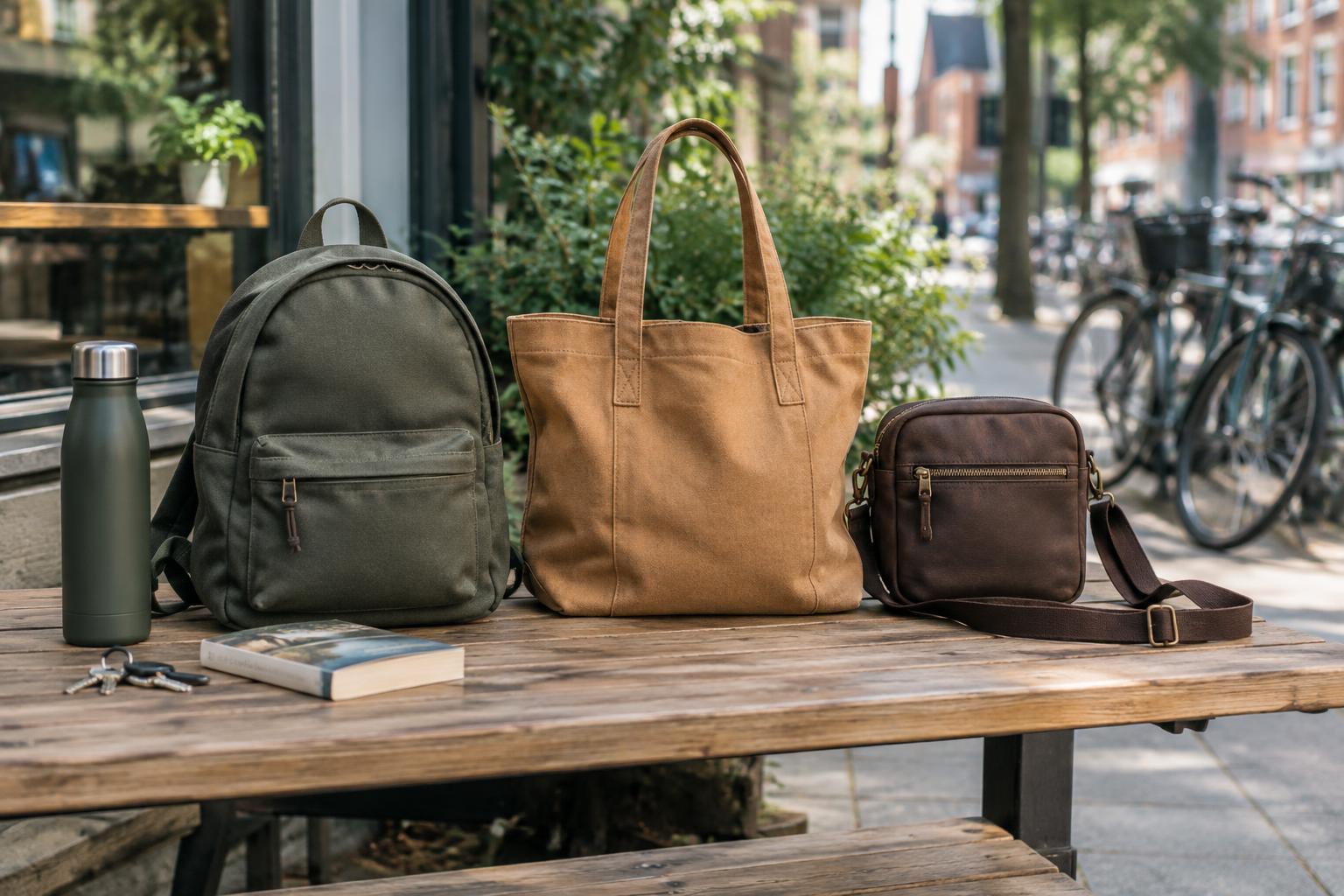
Useful AccessoriesThe best city bag is the one that fits your usual load, your route, and the way you move through the day. Compare backpacks, totes, and crossbodies by comfort, access, capacity, and practical details before you choose.
Read article · 4 min↗

Learning New SkillsNegotiating a bill or service quote is easier when you know what you need, what you can ask for and when you are willing to walk away. Use this practical preparation routine to make everyday conversations clearer and less stressful.
Read article · 4 min↗
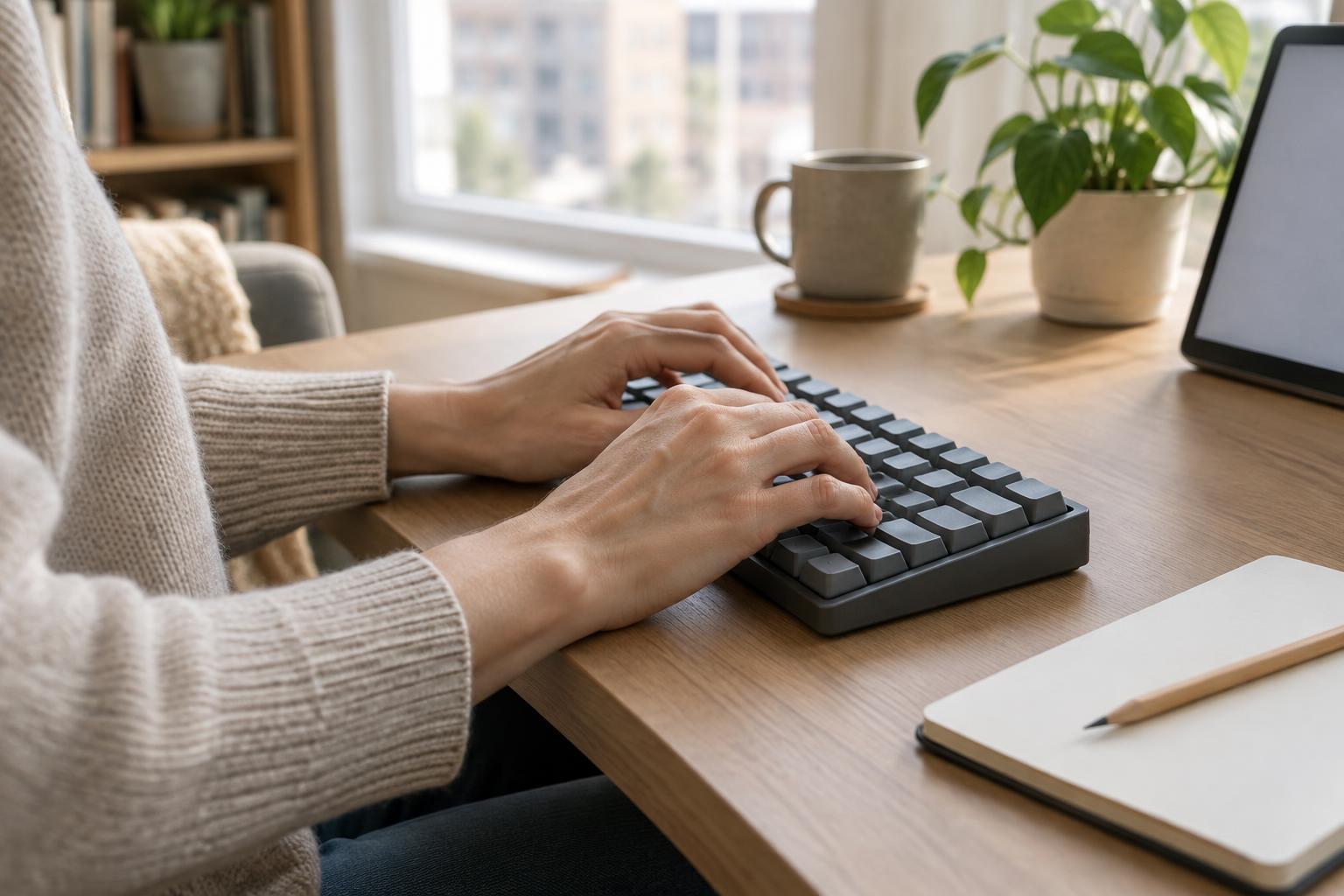
Learning New SkillsTyping faster is less useful if you spend the saved time correcting mistakes. Learn how to build a comfortable, repeatable typing routine that puts accuracy first, then gradually adds pace.
Read article · 4 min↗

Learning New SkillsTwo lines moving together can be interesting, but they do not prove that one thing caused the other. Learn a practical way to inspect charts, look for alternative explanations, and decide what a visual pattern can actually tell you.
Read article · 4 min↗

Learning New SkillsSeeing the same claim on several sites does not necessarily make it reliable. Learn a practical way to identify the original claim, find independent evidence, check context and decide what you can reasonably conclude.
Read article · 4 min↗

Learning New SkillsA variable income can make a fixed monthly budget feel unreliable. Learn how to choose a cautious planning number, separate essential costs from flexible spending, and use a short weekly check-in to adjust as money arrives.
Read article · 4 min↗

Learning New SkillsSpeaking to a handful of people can feel surprisingly demanding. Learn how to prepare a clear point, handle nerves, speak at a useful pace and make your next meeting contribution easier to follow.
Read article · 4 min↗

Learning New SkillsYou can build a speaking habit even when no one is available to talk. Use short prompts, recordings, shadowing and everyday tasks to practice turning thoughts into words, while staying aware of what solo practice cannot teach.
Read article · 4 min↗
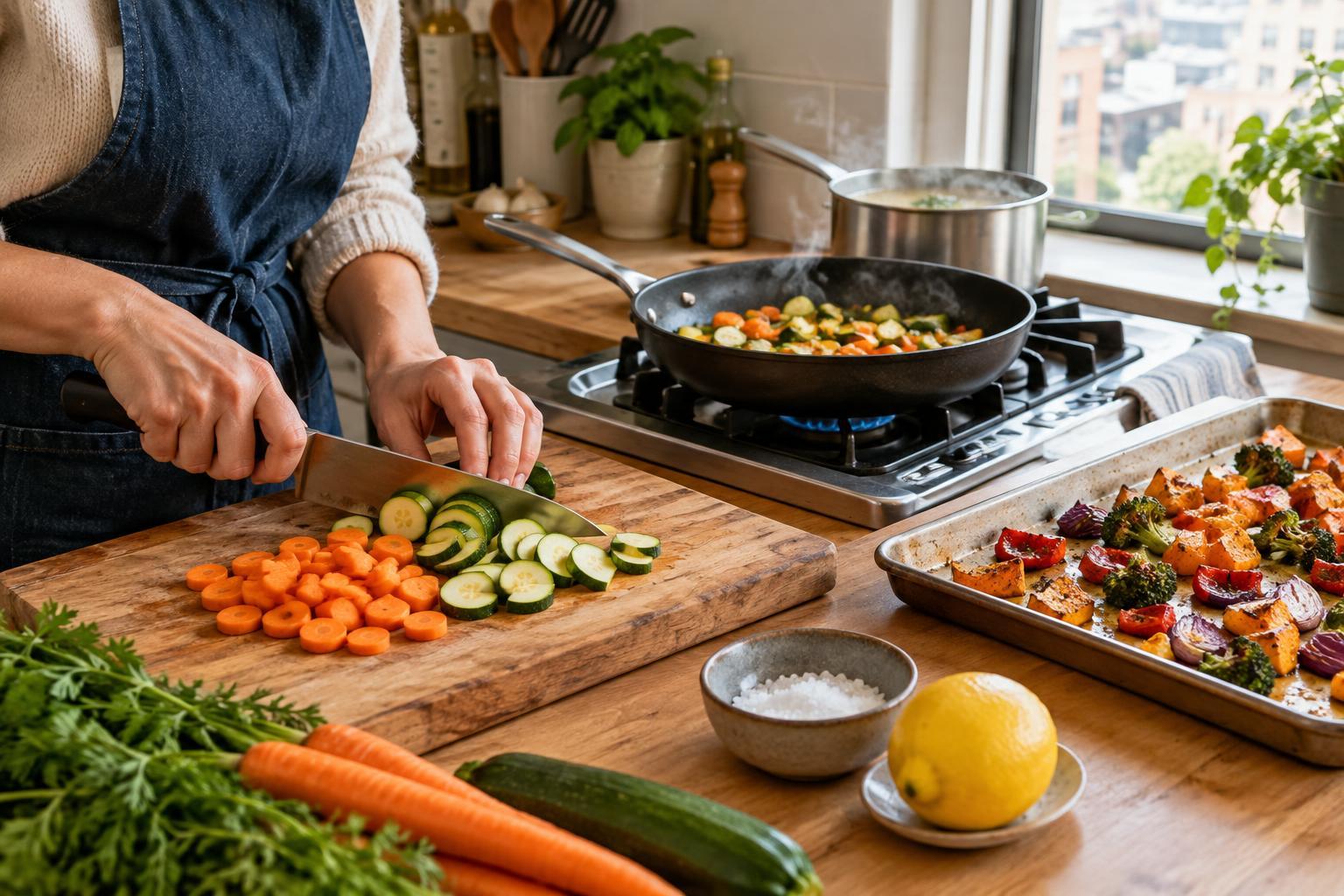
Learning New SkillsYou do not need a large kitchen or complicated recipes to start cooking. Practice these five techniques—chopping, sautéing, simmering, roasting, and seasoning—and you will have a foundation for making flexible everyday meals.
Read article · 4 min↗

Learning New SkillsYou do not need a job title in mind to begin coding. Start with a small curiosity, choose one beginner-friendly tool, and use short projects to discover what you enjoy.
Read article · 3 min↗
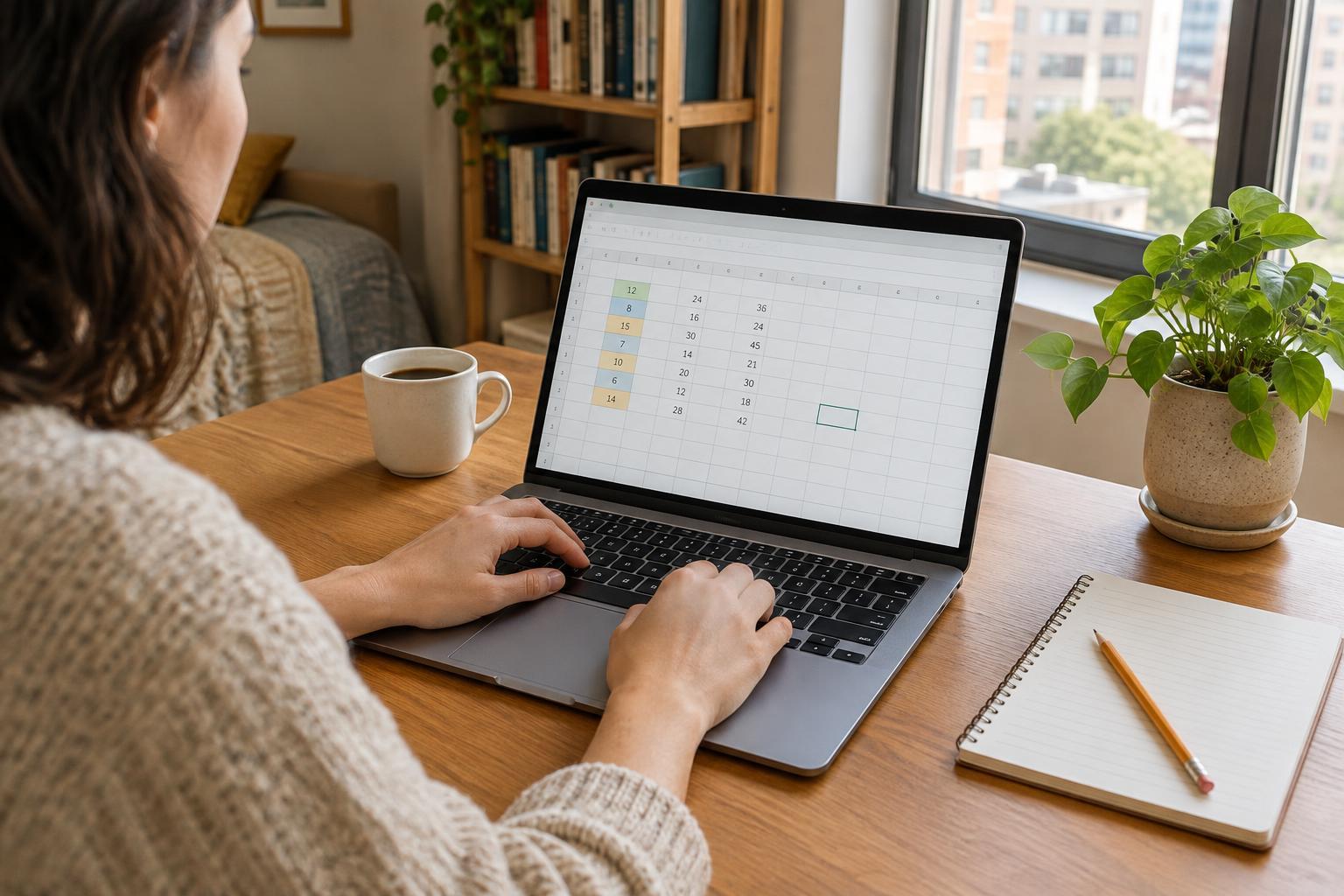
Learning New SkillsA spreadsheet can help you organize plans, compare options, and keep track of small projects. Learn how to build a useful first sheet, try a few basic formulas, and avoid common mistakes.
Read article · 4 min↗

Learning New SkillsA long break does not mean starting from zero. Whether you are picking up an instrument, a language, a craft or a sport, a manageable routine can help you reconnect with what you know and make room for steady progress.
Read article · 4 min↗
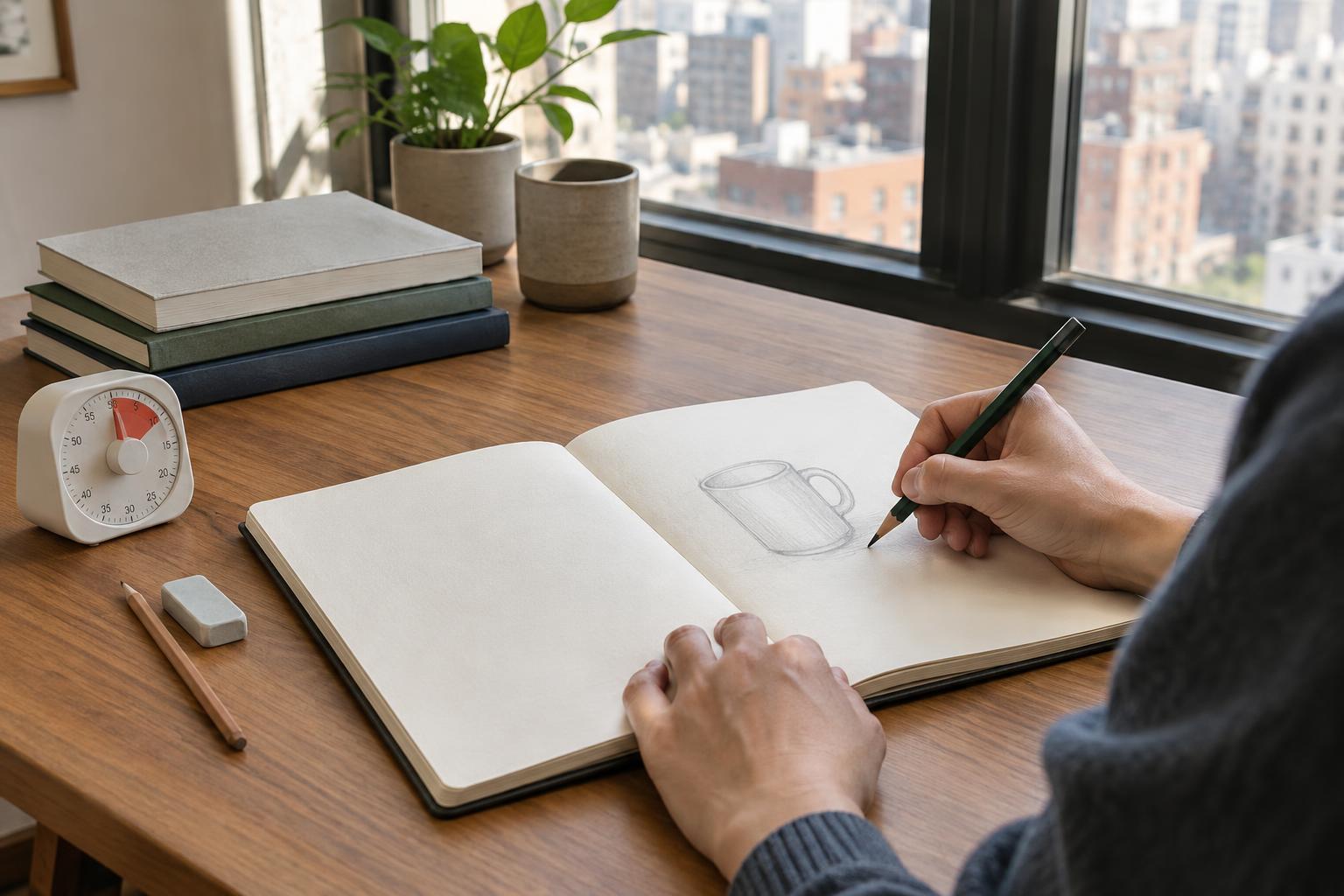
Learning New SkillsLearning on your own gives you freedom, but it is easy to lose momentum when goals are vague, resources pile up, or practice never begins. Here are five common mistakes and simple ways to build a learning routine that fits a busy life.
Read article · 3 min↗
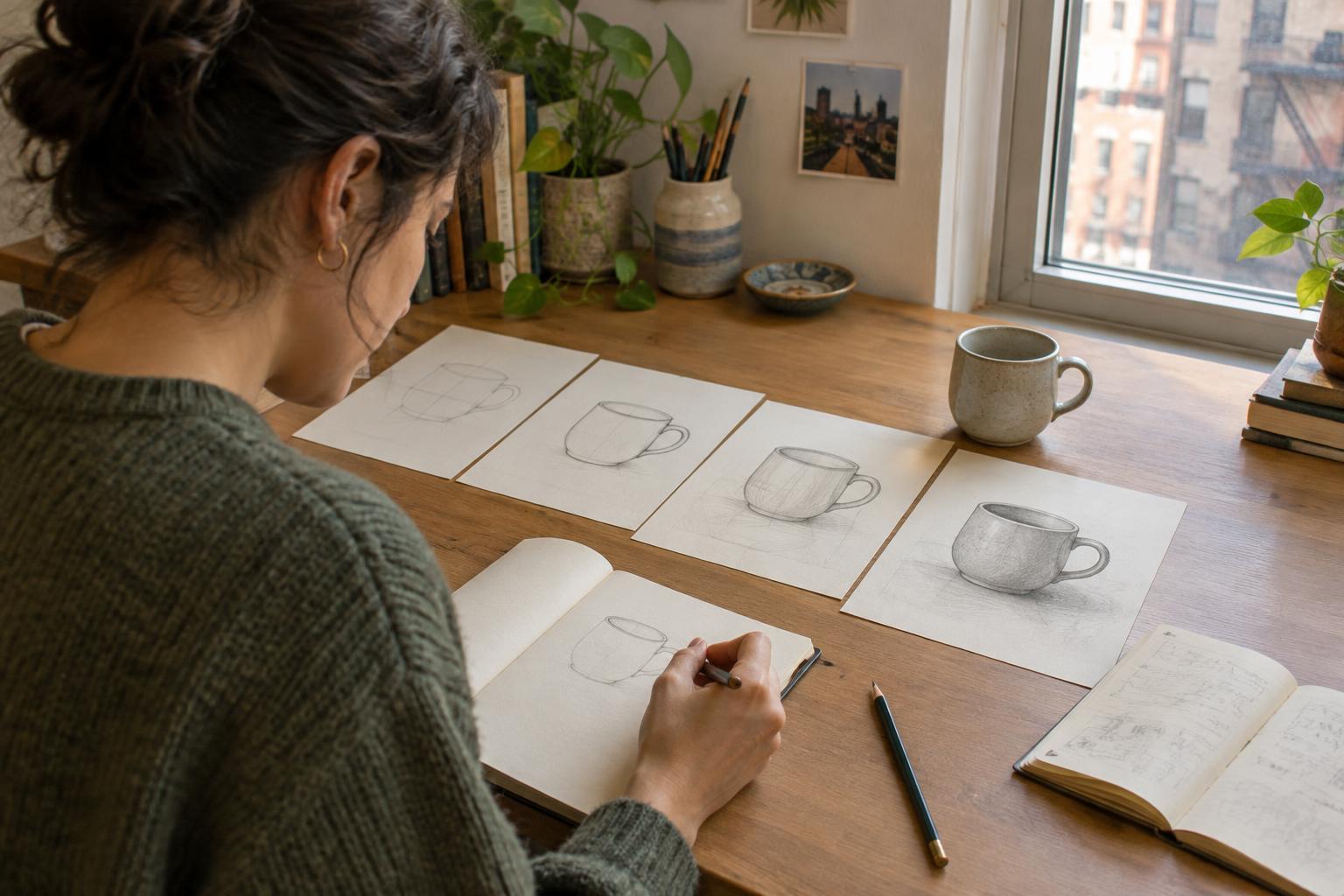
Learning New SkillsA daily streak can be motivating, but it does not show what you can do. Learn how to track skill progress with useful evidence, small checkpoints and a review routine that works even when life interrupts your practice.
Read article · 4 min↗
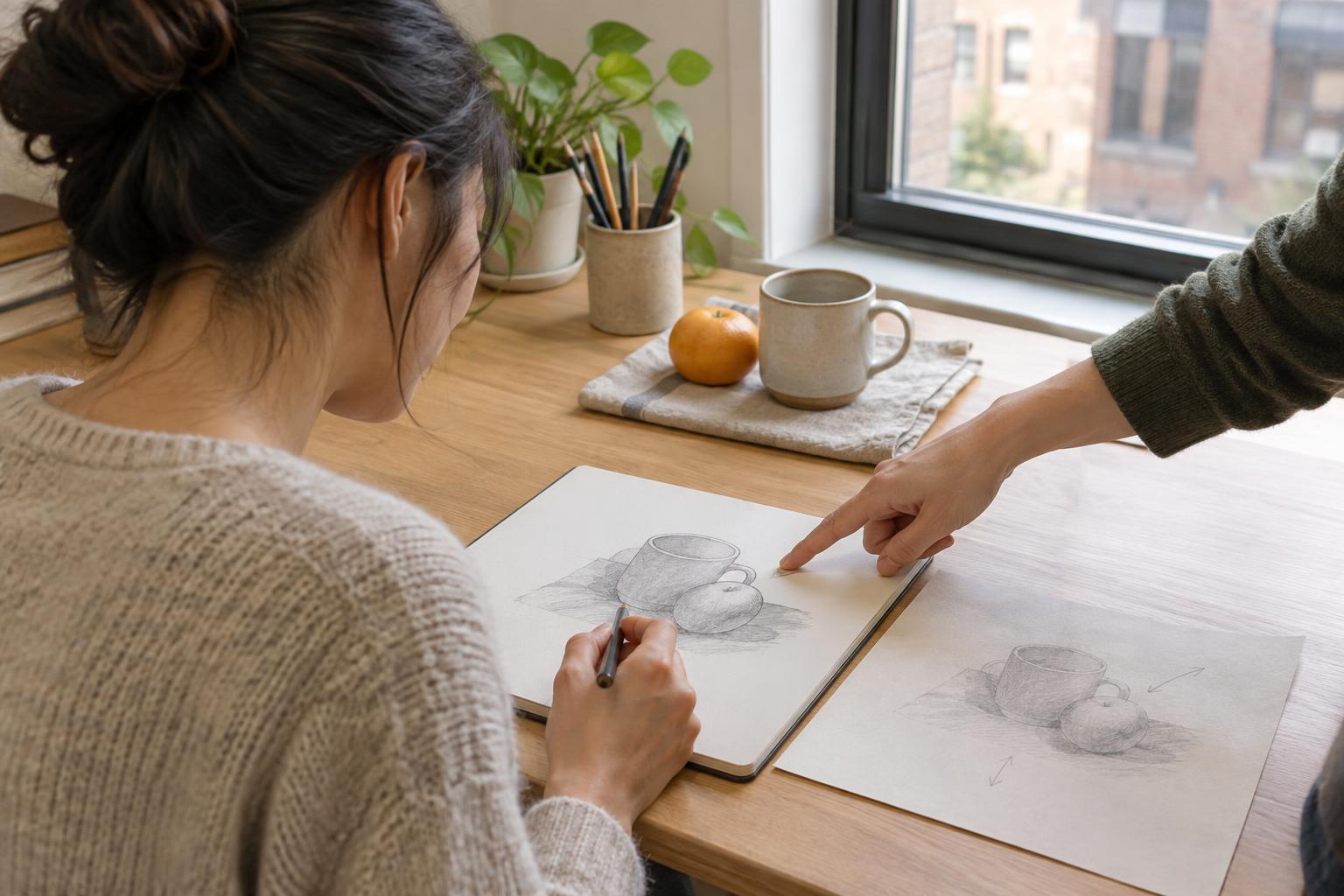
Learning New SkillsLearning independently does not mean guessing whether you are improving. Build a simple feedback loop by choosing a specific goal, checking your work against examples, asking focused questions and turning each response into a small experiment.
Read article · 4 min↗

Learning New SkillsLimited study time can still be useful when you spend some of it retrieving what you know. Learn how to pair short recall sessions with spaced reviews, whether you’re studying a language, learning a software tool or building another everyday skill.
Read article · 4 min↗
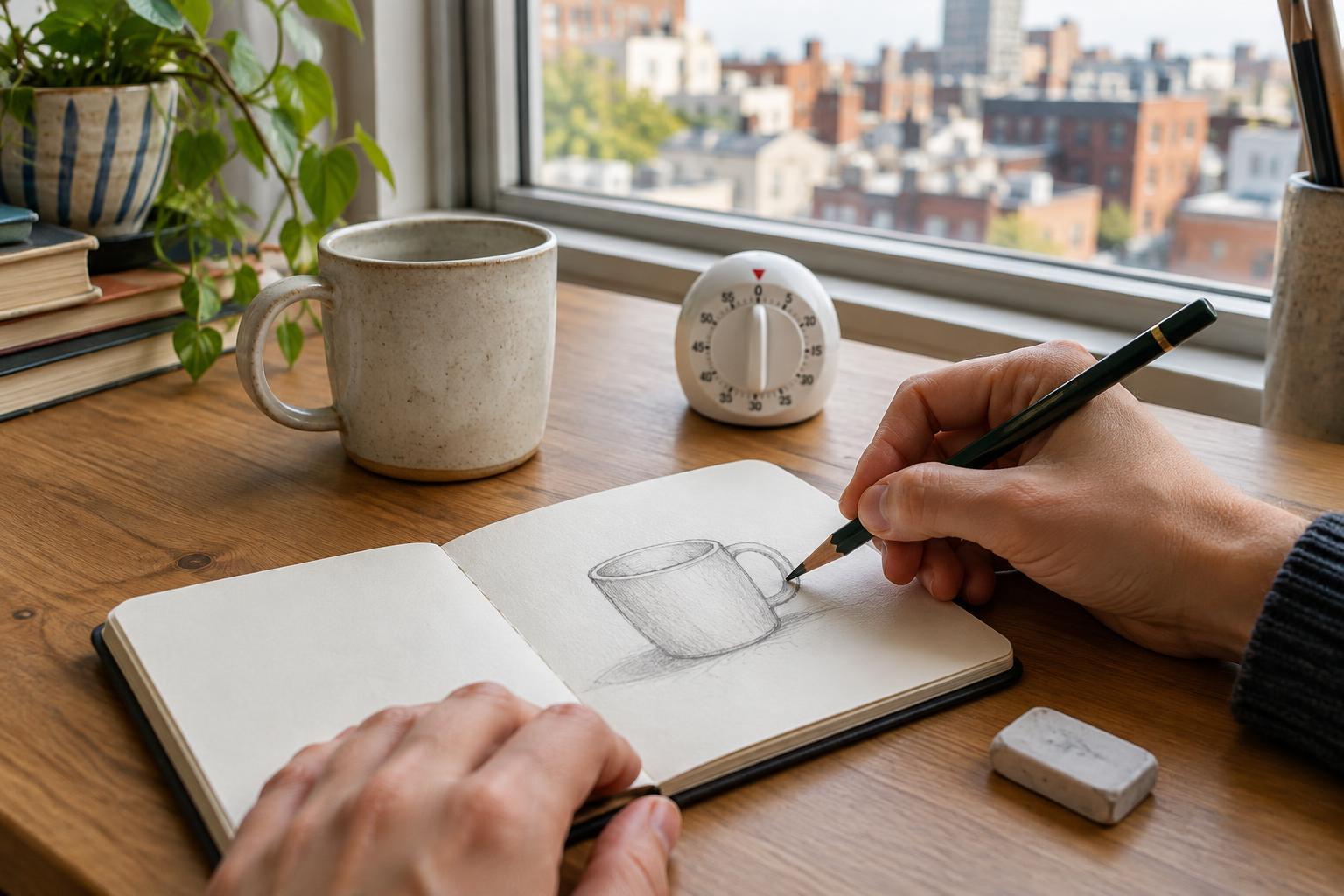
Learning New SkillsA short practice session can move a skill forward when it has a clear target. Learn how to choose a small exercise, use feedback, and make ten minutes easy to repeat.
Read article · 4 min↗
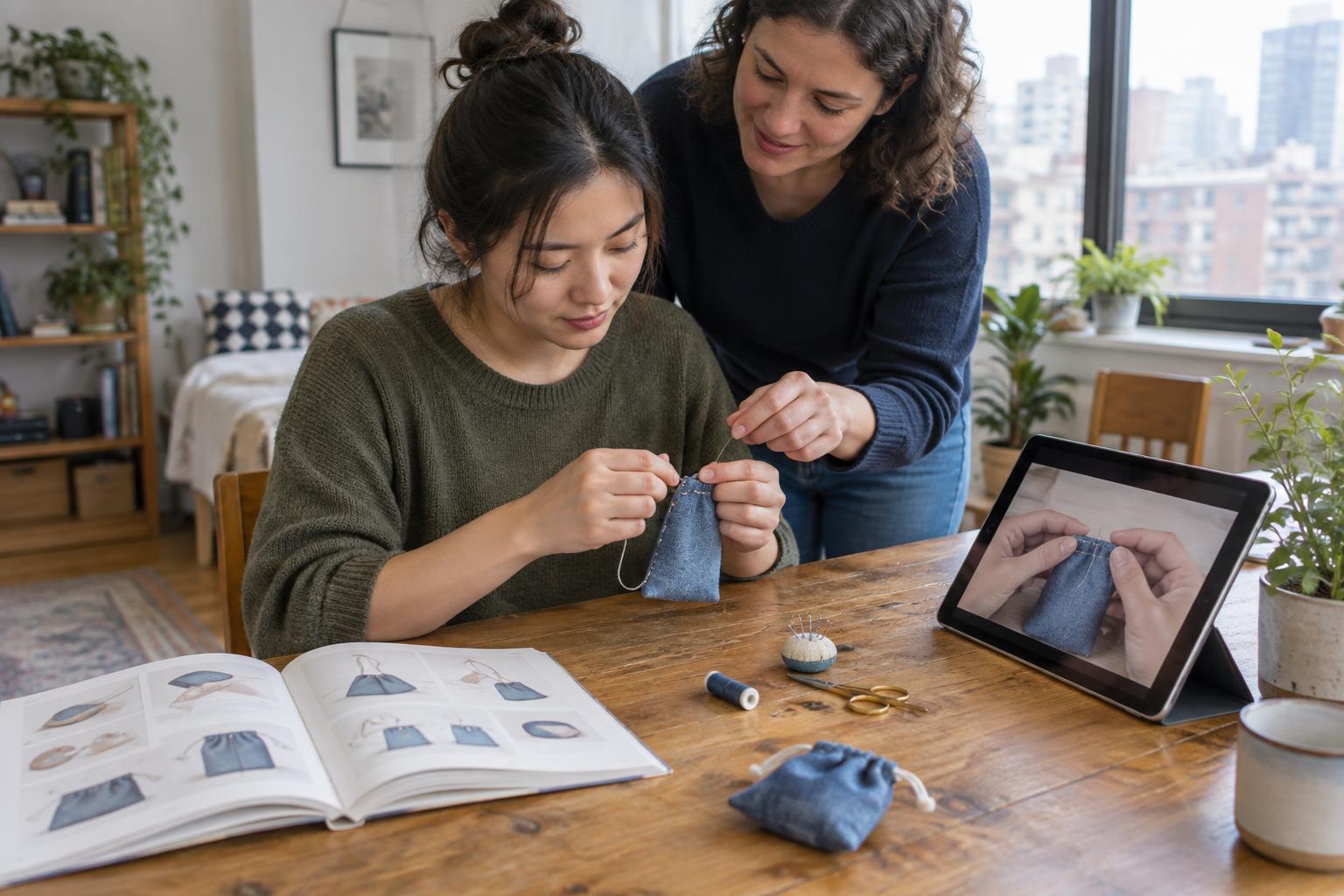
Learning New SkillsThe best way to learn a new skill depends on what you want to do, how much feedback you need, and when you can practice. Use this guide to choose between classes, books, and video tutorials without overloading your schedule.
Read article · 4 min↗
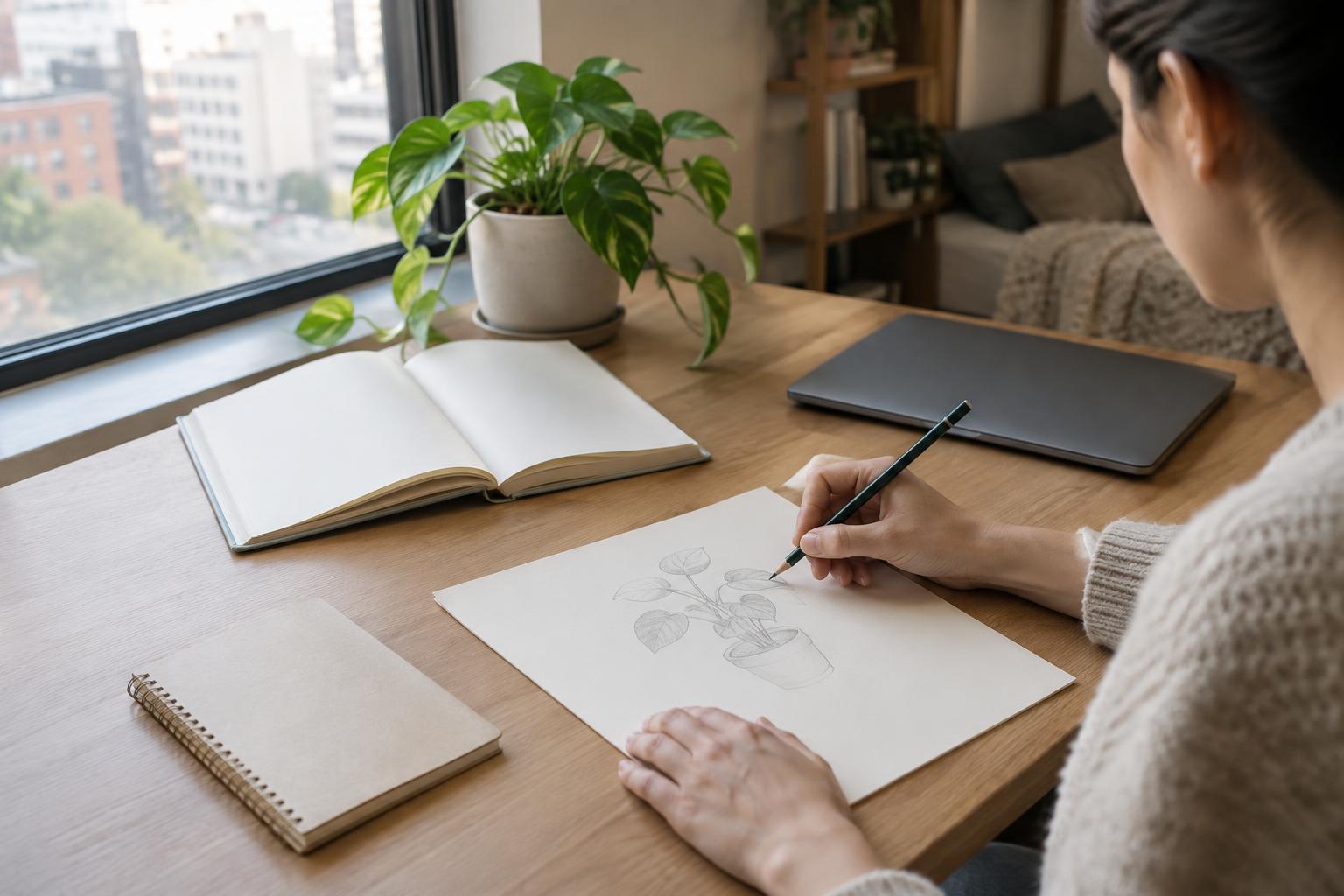

Learning New SkillsA goal like “learn to draw” or “get better at cooking” can be hard to start because it offers too many choices. Build a manageable first week by choosing one small skill, fitting short sessions around your real schedule, and deciding how you will notice progress.
Read article · 4 min↗

Learning New SkillsA new skill is easier to stick with when it fits the life you already have. Use your goal, available time, space, and budget to narrow the options, then run a small trial before making a bigger commitment.
Read article · 4 min↗
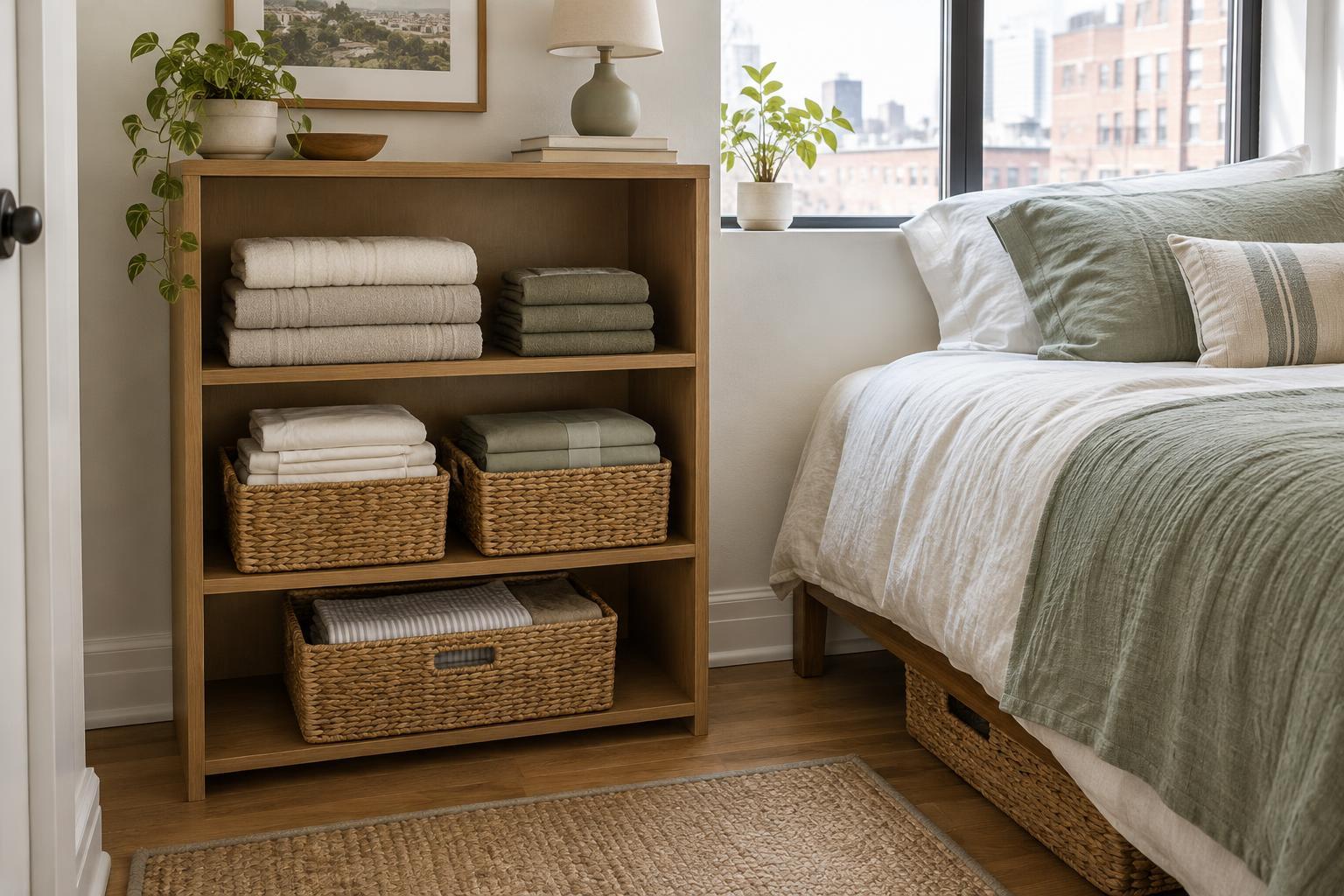
Home OrganizationNo linen closet? A small, well-placed set of storage spots can keep sheets and towels easy to find without crowding your home. Start with a realistic inventory, choose dry storage near where items are used, and make each set simple to put away.
Read article · 4 min↗

Home OrganizationShared storage works best when everyone knows what belongs where and can reach what they use. Create clear zones, put everyday items at hand, and use a simple reset routine to keep closets and cabinets workable.
Read article · 4 min↗
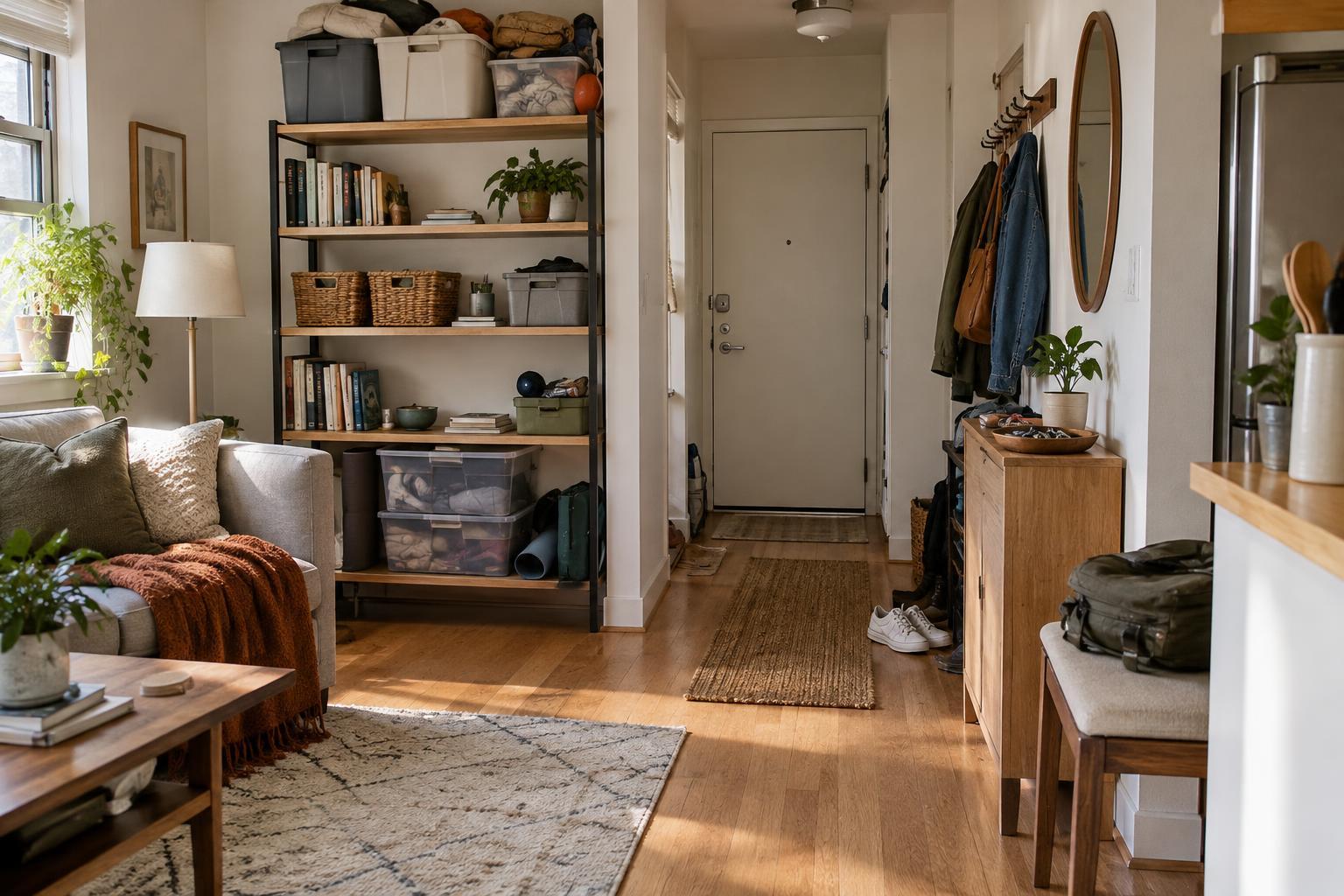
Home OrganizationA compact home can feel crowded even when it has enough storage. The problem is often where things are kept, how easily they can be reached, and whether the system fits daily life. These common mistakes are fixable without filling every corner with bins.
Read article · 3 min↗
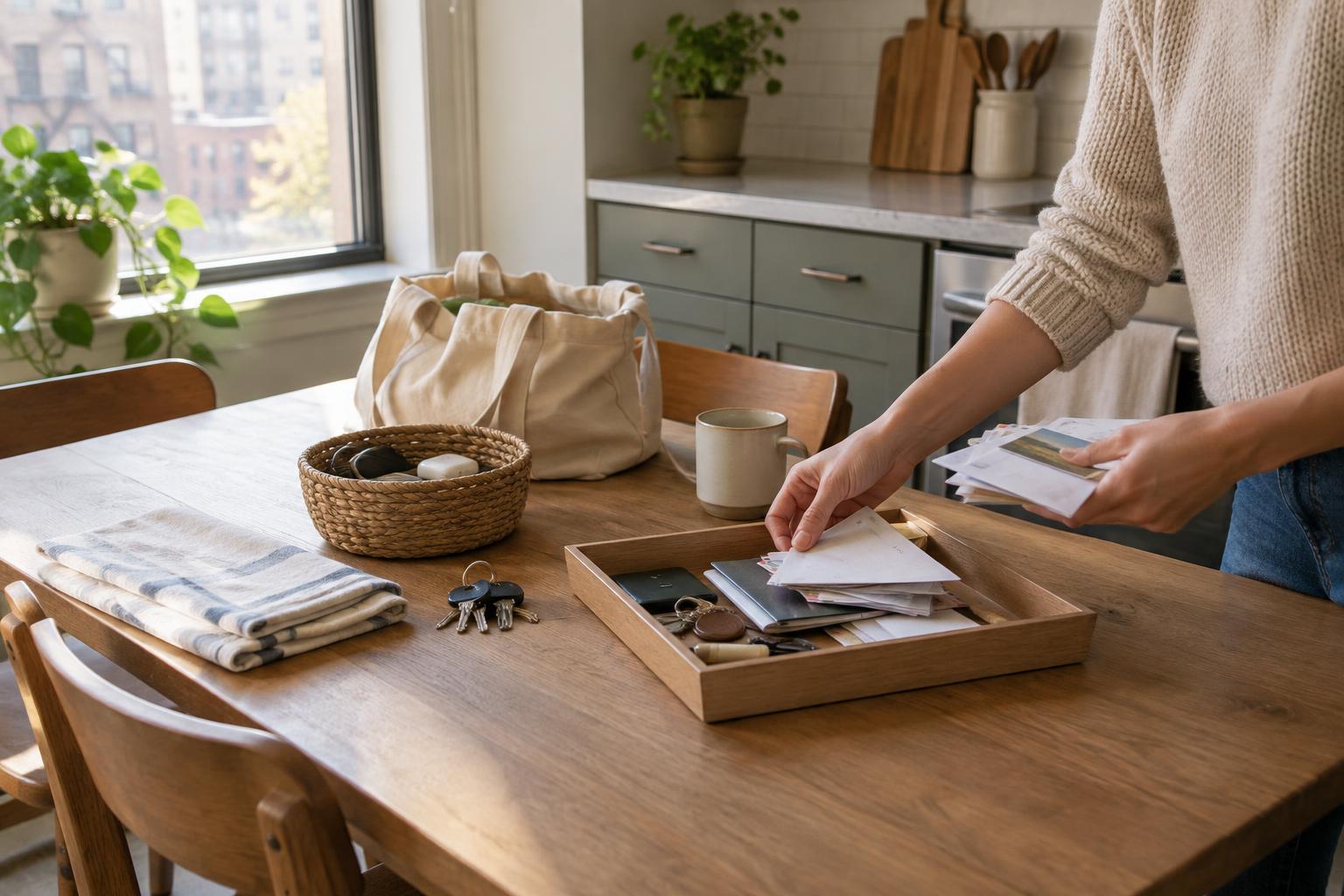
Home OrganizationA weekly reset does not have to mean cleaning your entire home. Use a short, repeatable routine to clear busy surfaces, deal with incoming items and make the week ahead easier.
Read article · 4 min↗
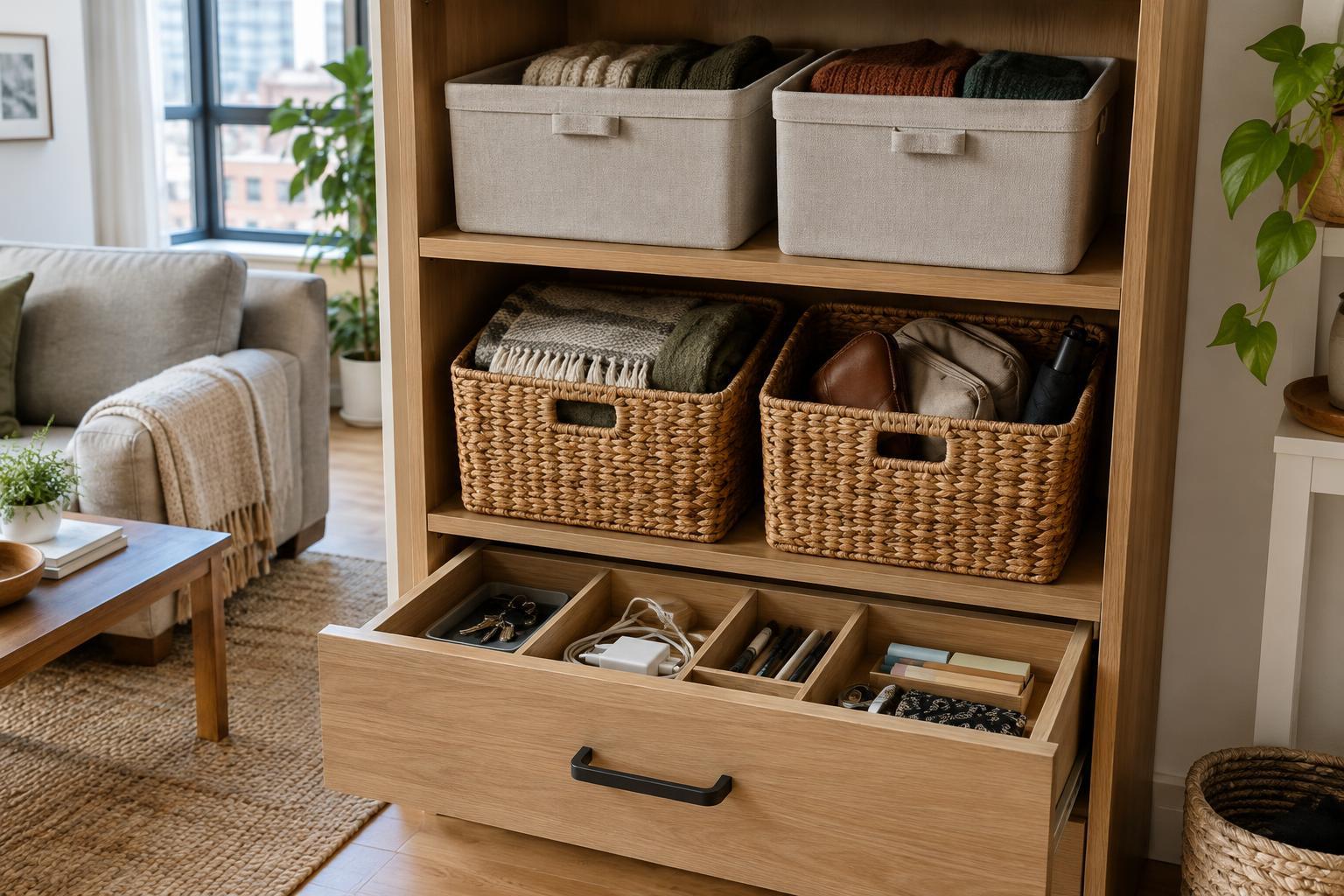
Home OrganizationBins, baskets, and drawer dividers all create order, but they solve different problems. Learn how to choose a container based on what you store, where you use it, and how easily you need to reach it.
Read article · 4 min↗

Home OrganizationA seasonal wardrobe swap does not require a spare closet. Sort by what you actually wear, give off-season clothes a clean and dry home, and keep the pieces you may need within reach.
Read article · 4 min↗
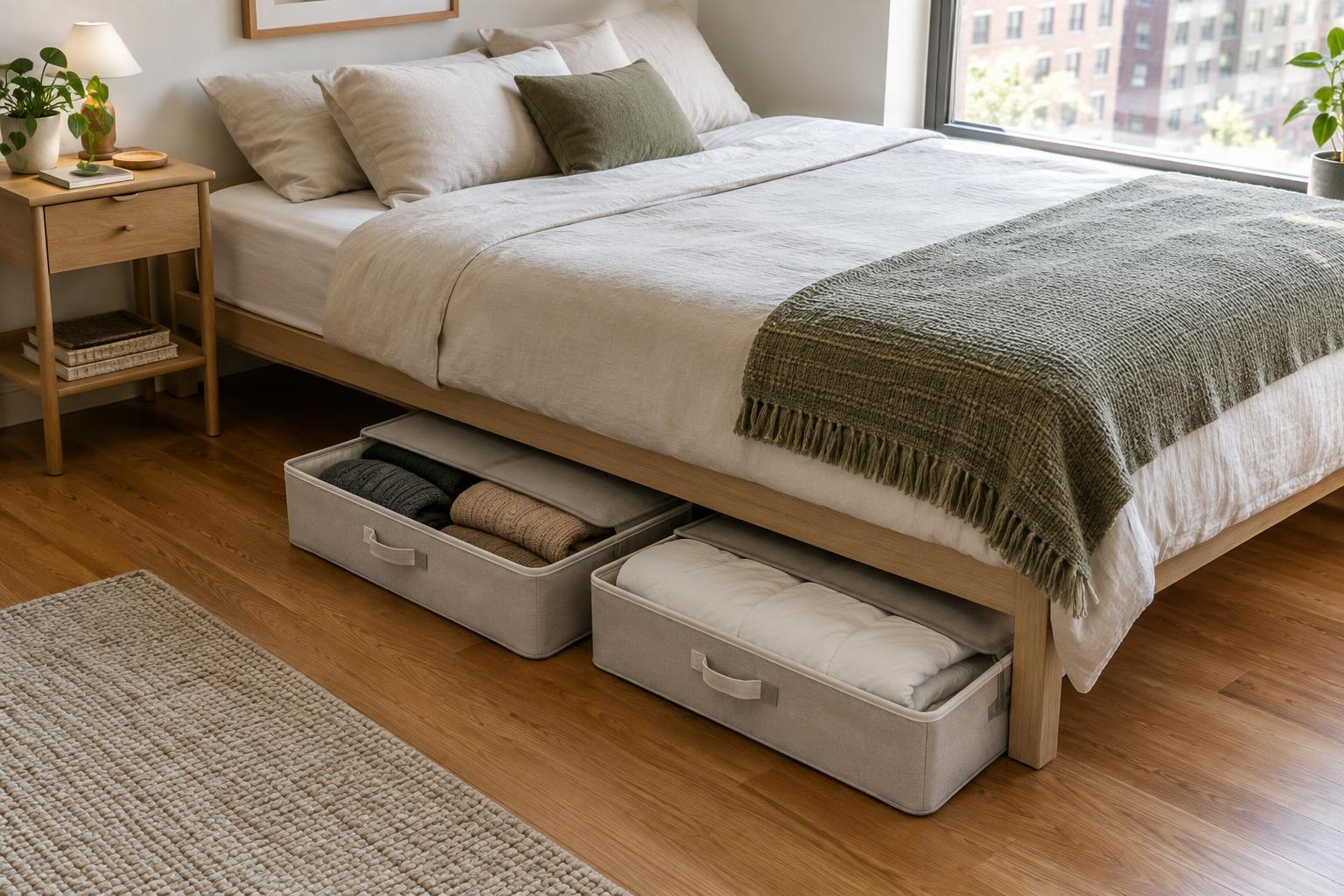
Home OrganizationThe space beneath a bed can make a compact bedroom feel less crowded, but it is not a good home for everything. Learn which belongings suit low-profile storage, which need a safer spot, and how to keep the area usable rather than turning it into a forgotten pile.
Read article · 4 min↗
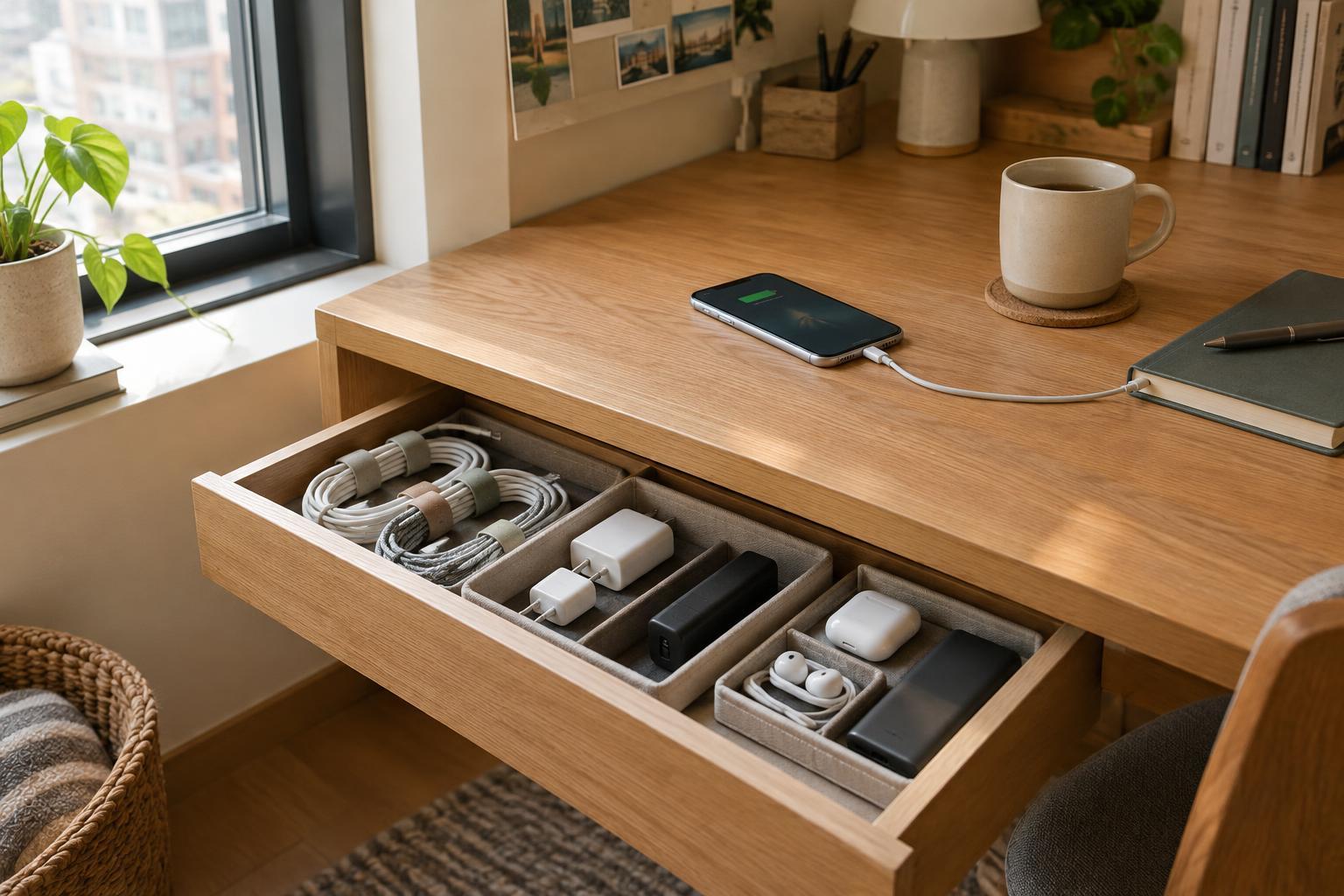
Home OrganizationA practical system for sorting cords, giving everyday chargers a home, and keeping small electronics easy to find without letting them take over your space.
Read article · 4 min↗
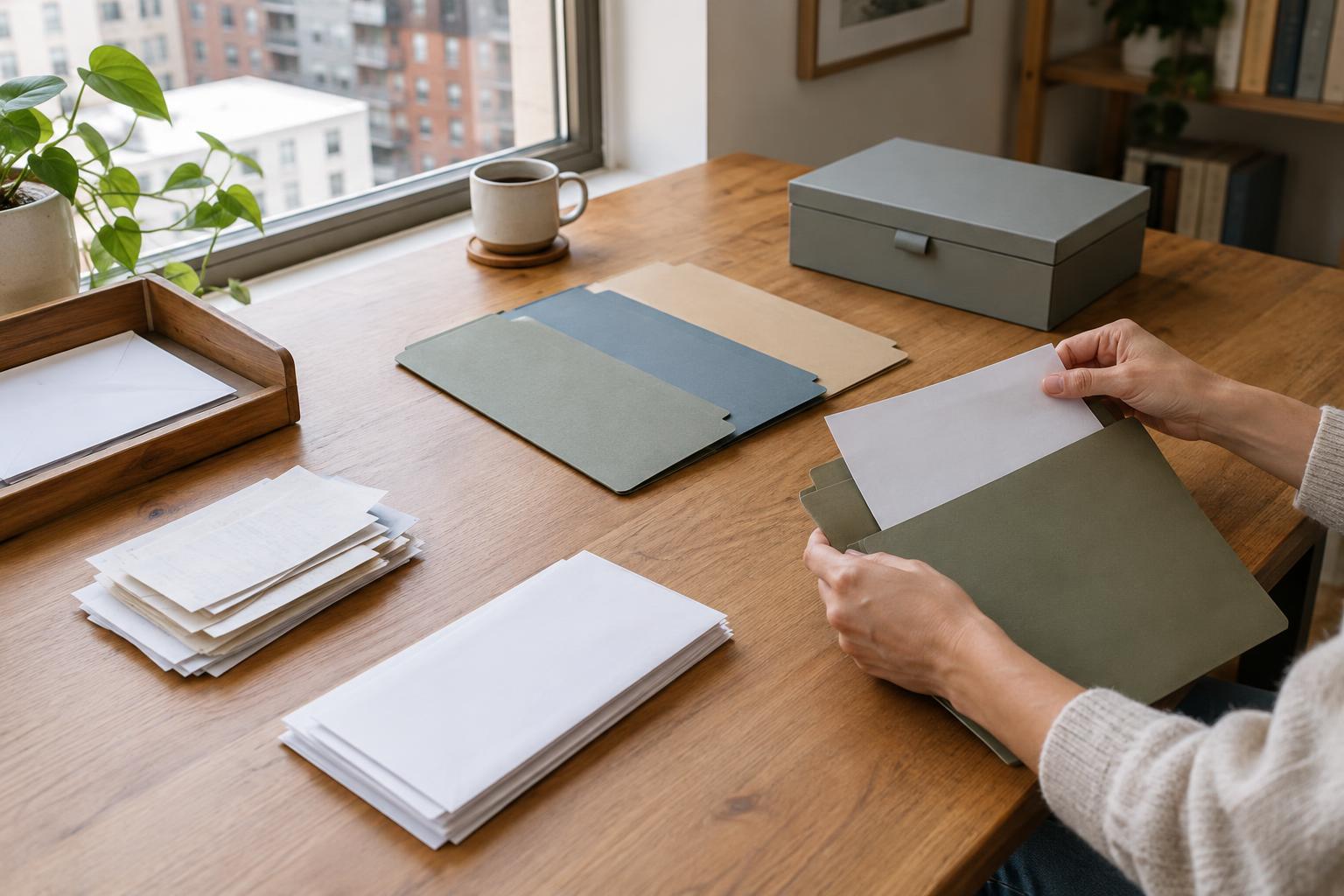
Home OrganizationPaperwork is easier to manage when every item has a clear next step and a dependable home. Build a compact system for incoming mail, everyday records, and documents you need to protect.
Read article · 3 min↗
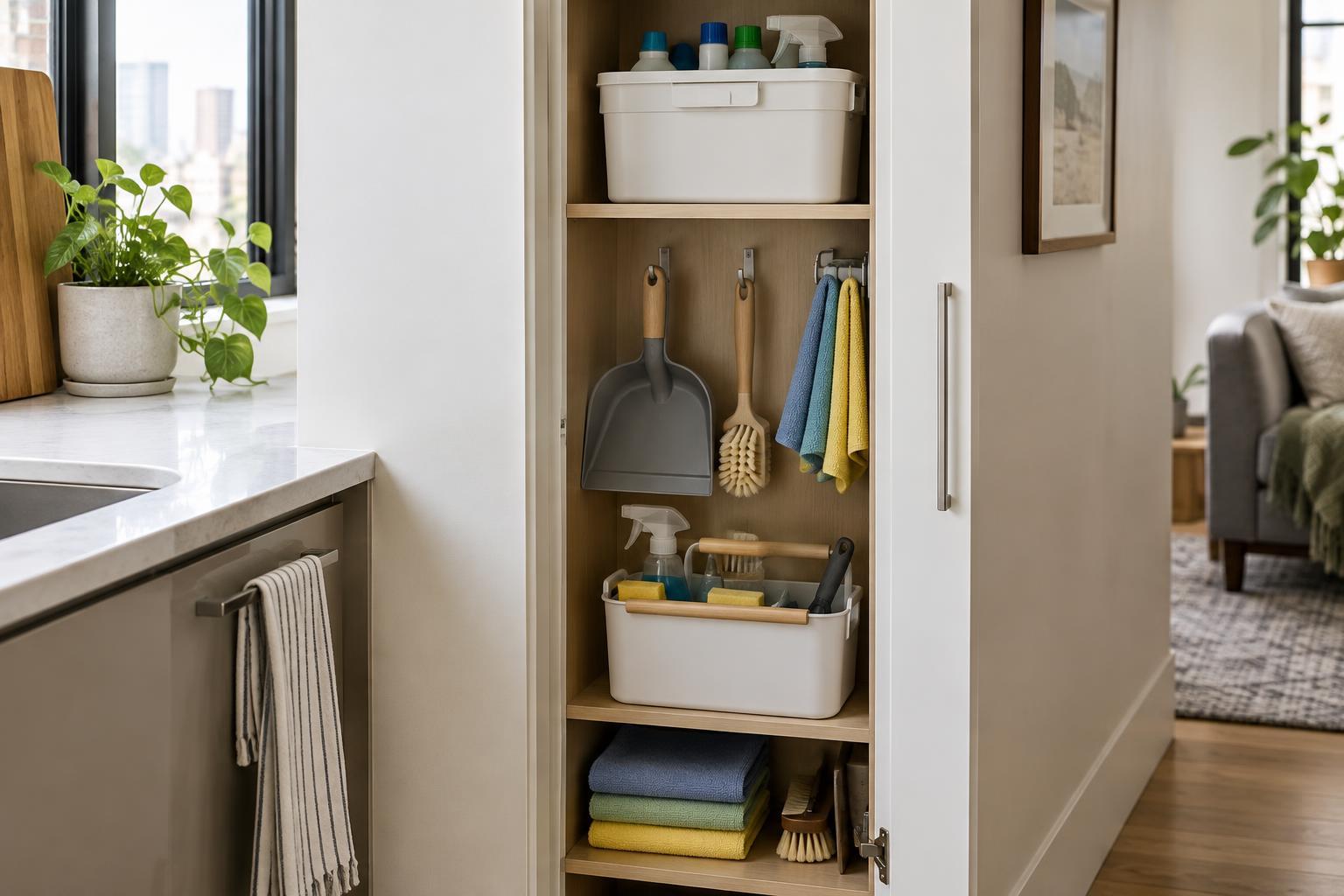
Home OrganizationA practical way to organize cleaning supplies without giving up scarce storage space: keep everyday tools close to where you use them, secure chemicals, and make the whole setup easy to maintain.
Read article · 4 min↗
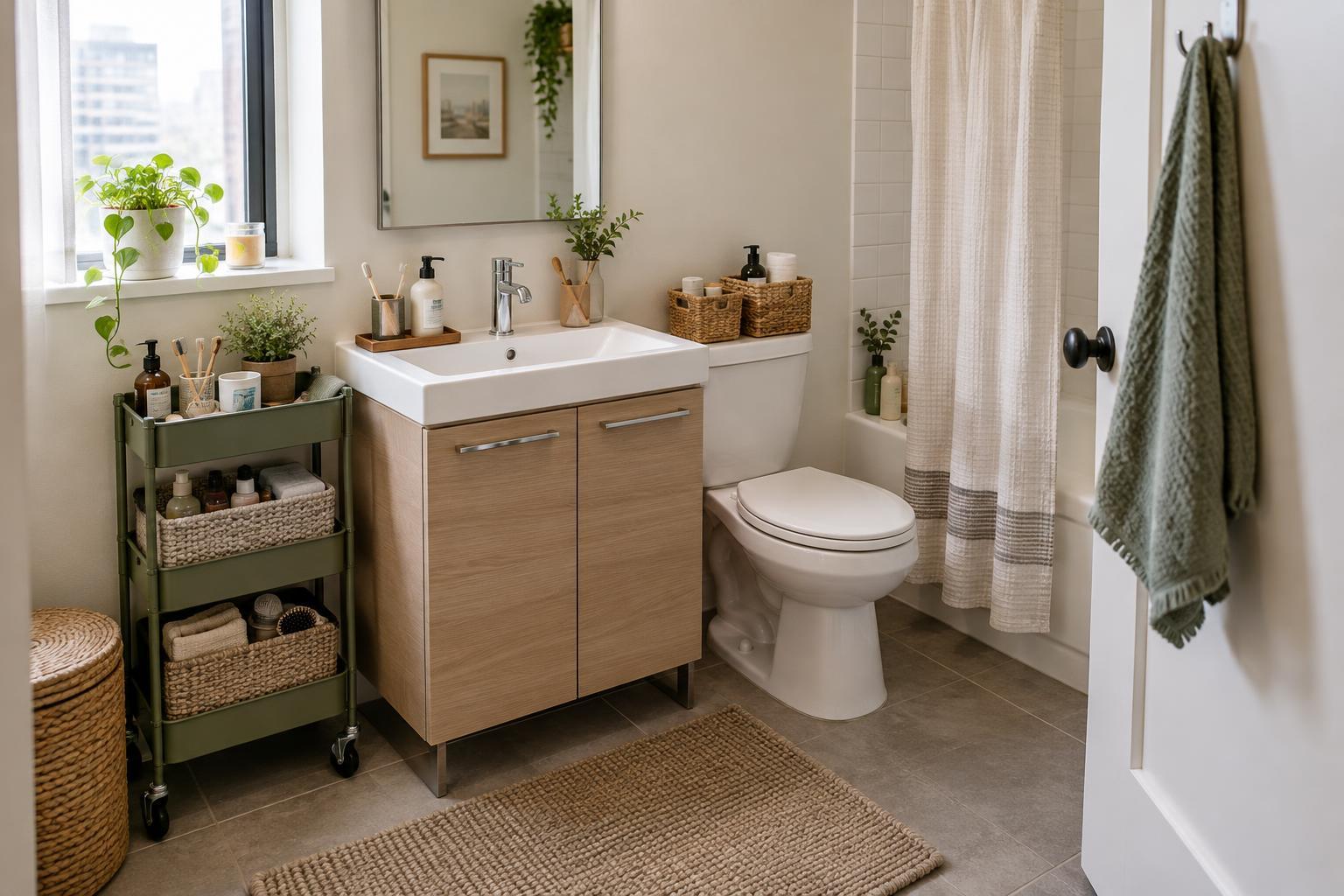
Home OrganizationA small bathroom can work better without new shelves or drilled holes. Sort what you use, give everyday items the easiest-to-reach spots, and choose removable storage that suits the room’s moisture and available space.
Read article · 4 min↗
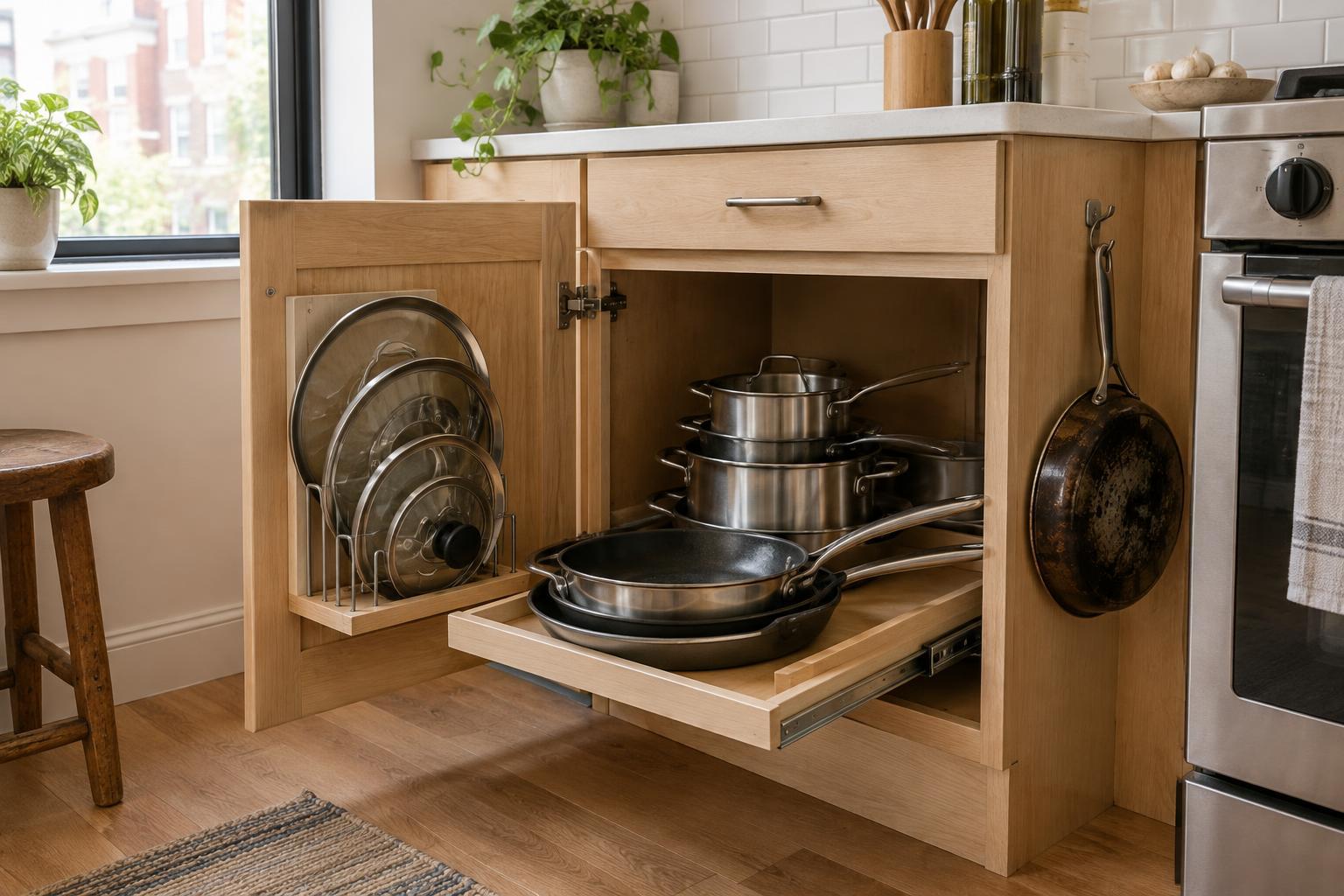
Home OrganizationA small kitchen can hold everyday cookware without making every meal a search-and-rescue mission. Start with the pieces you use most, match each storage spot to the way you cook, and give lids a place of their own.
Read article · 4 min↗
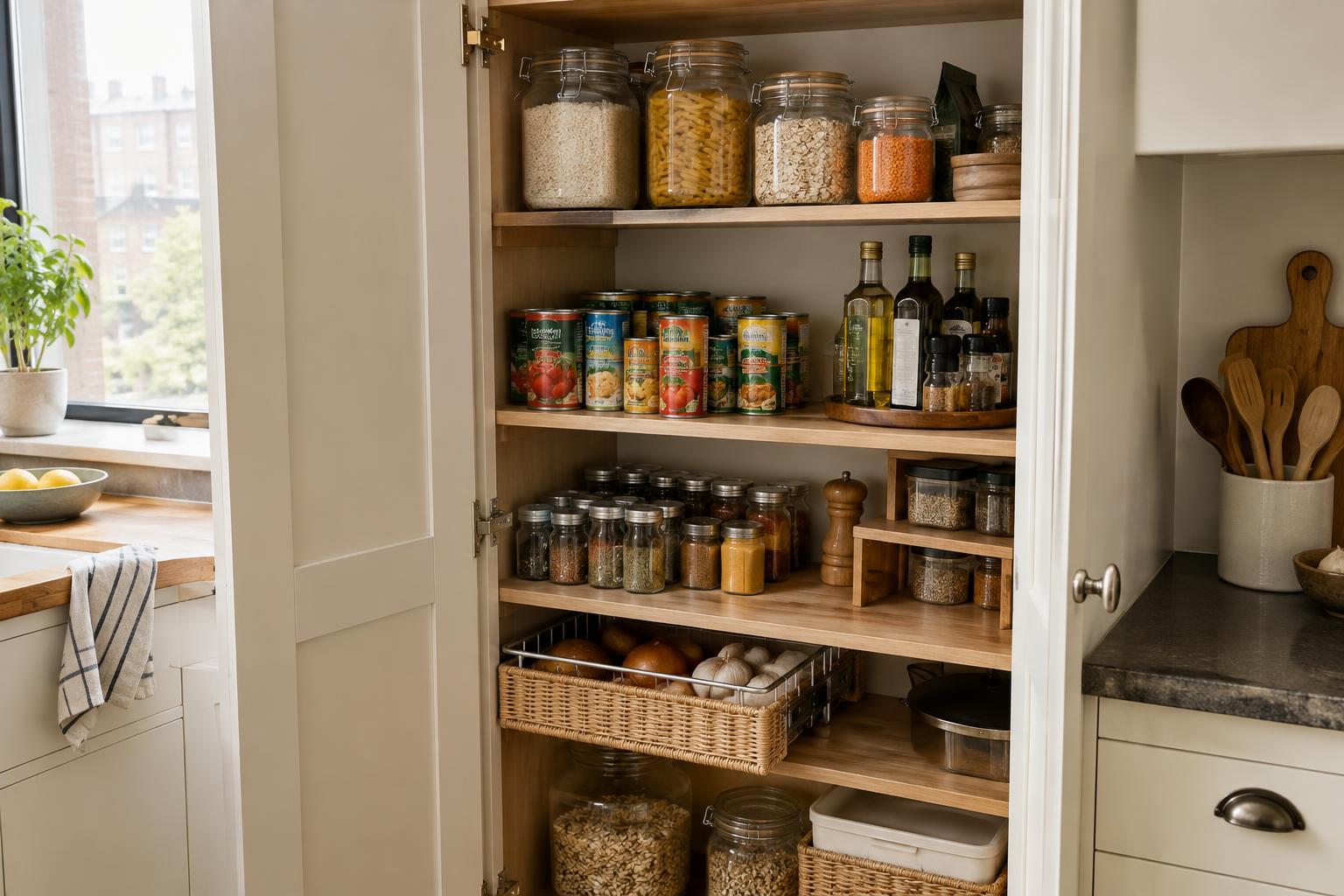
Home OrganizationA small pantry works better when everyday ingredients are easy to spot and put away. Use a quick inventory, clear zones and a few simple habits to make the most of shelves, cupboards or a single food cabinet.
Read article · 4 min↗
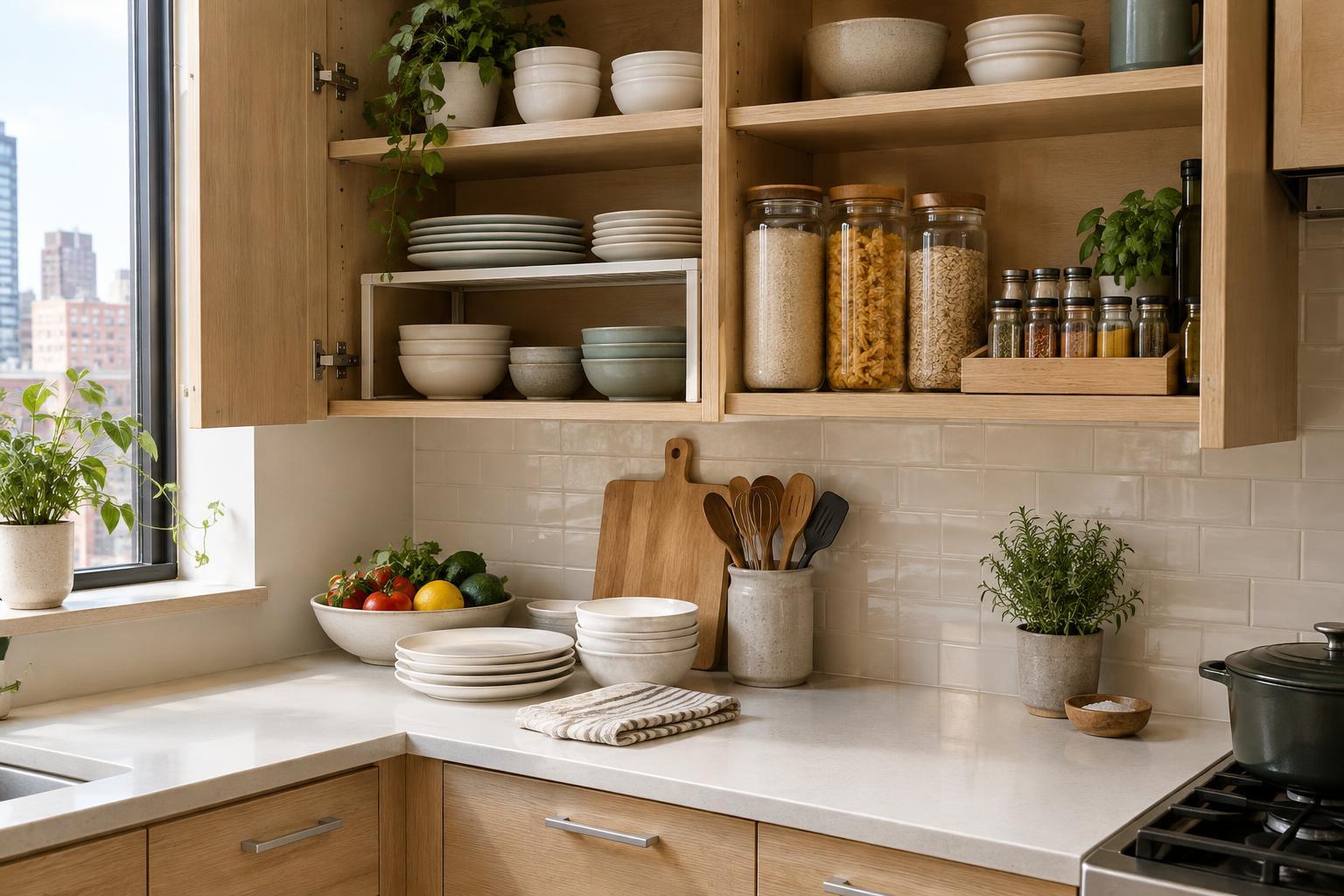
Home OrganizationA kitchen cabinet system should make everyday cooking feel less like a search. Learn how to group supplies by task, keep frequently used items within reach, and make the most of limited cabinet space.
Read article · 4 min↗

Home OrganizationWalls, doors and tall furniture can hold more than you think, but filling every available inch can make a small room feel busy. Use vertical storage where it solves a specific problem, keep everyday items within easy reach and leave some space open.
Read article · 4 min↗
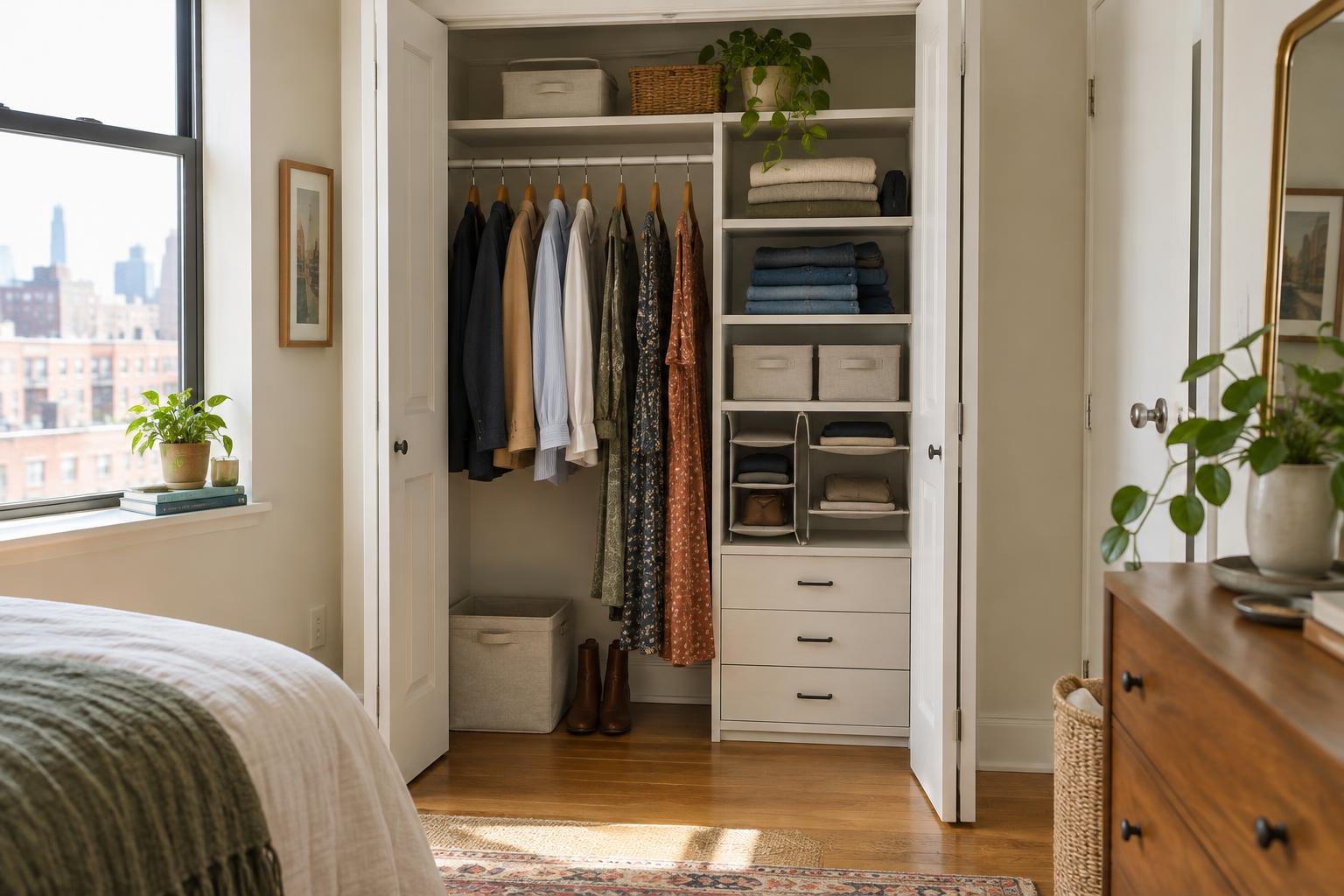
Home OrganizationA small closet can work well when hanging space is reserved for clothes that truly need it. Sort what you own, move foldable items to shelves or drawers, and set up simple zones that make everyday choices easier.
Read article · 4 min↗

Home OrganizationOpen shelves keep everyday items within reach, while closed cabinets hide visual clutter. Here’s how to decide what belongs behind a door, what deserves a visible spot, and where a mix of both works best.
Read article · 4 min↗
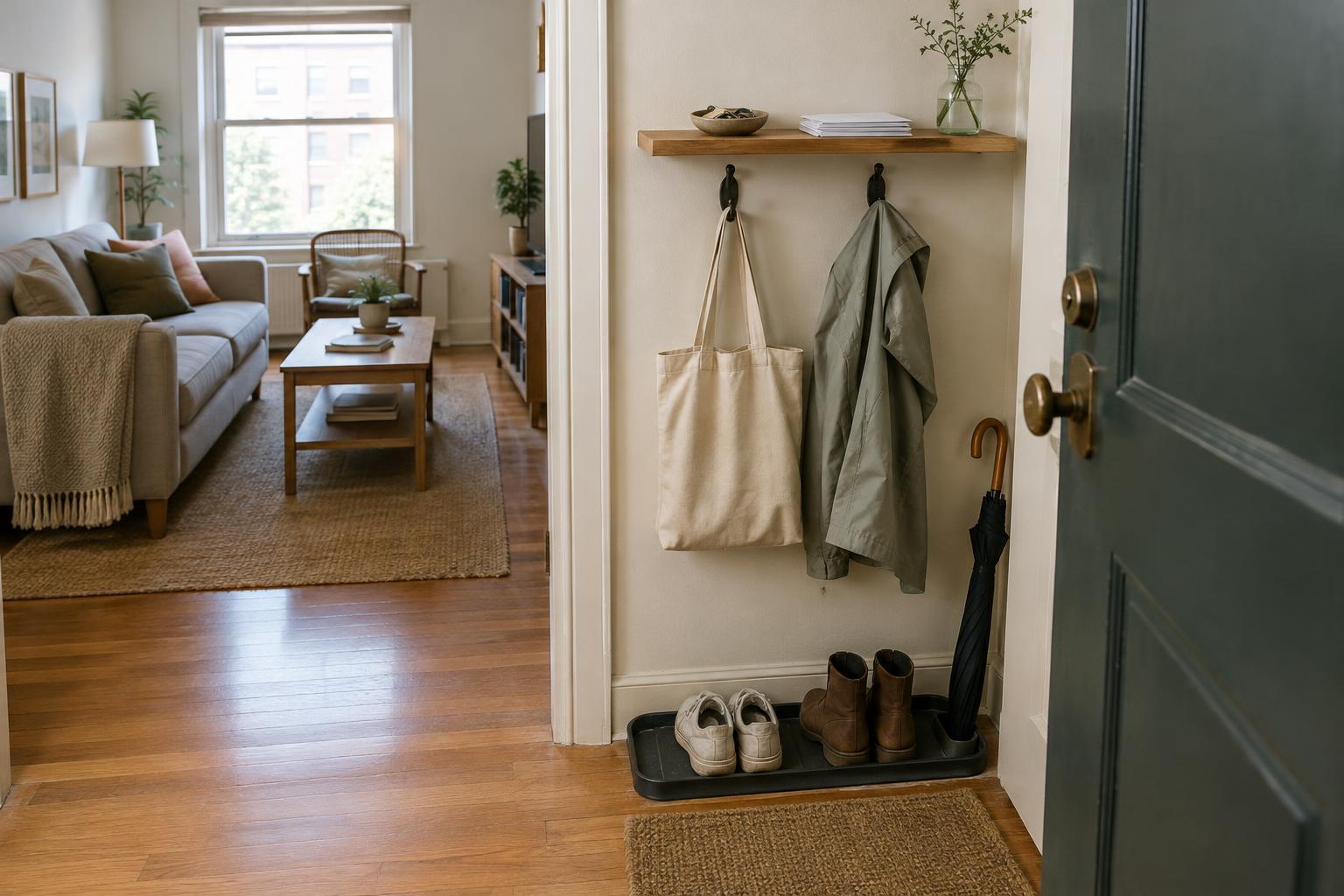
Home OrganizationNo hallway? You can still give keys, shoes, bags and mail a reliable place to land. Build a compact drop zone around your actual route through the door, then keep it small enough to maintain.
Read article · 4 min↗
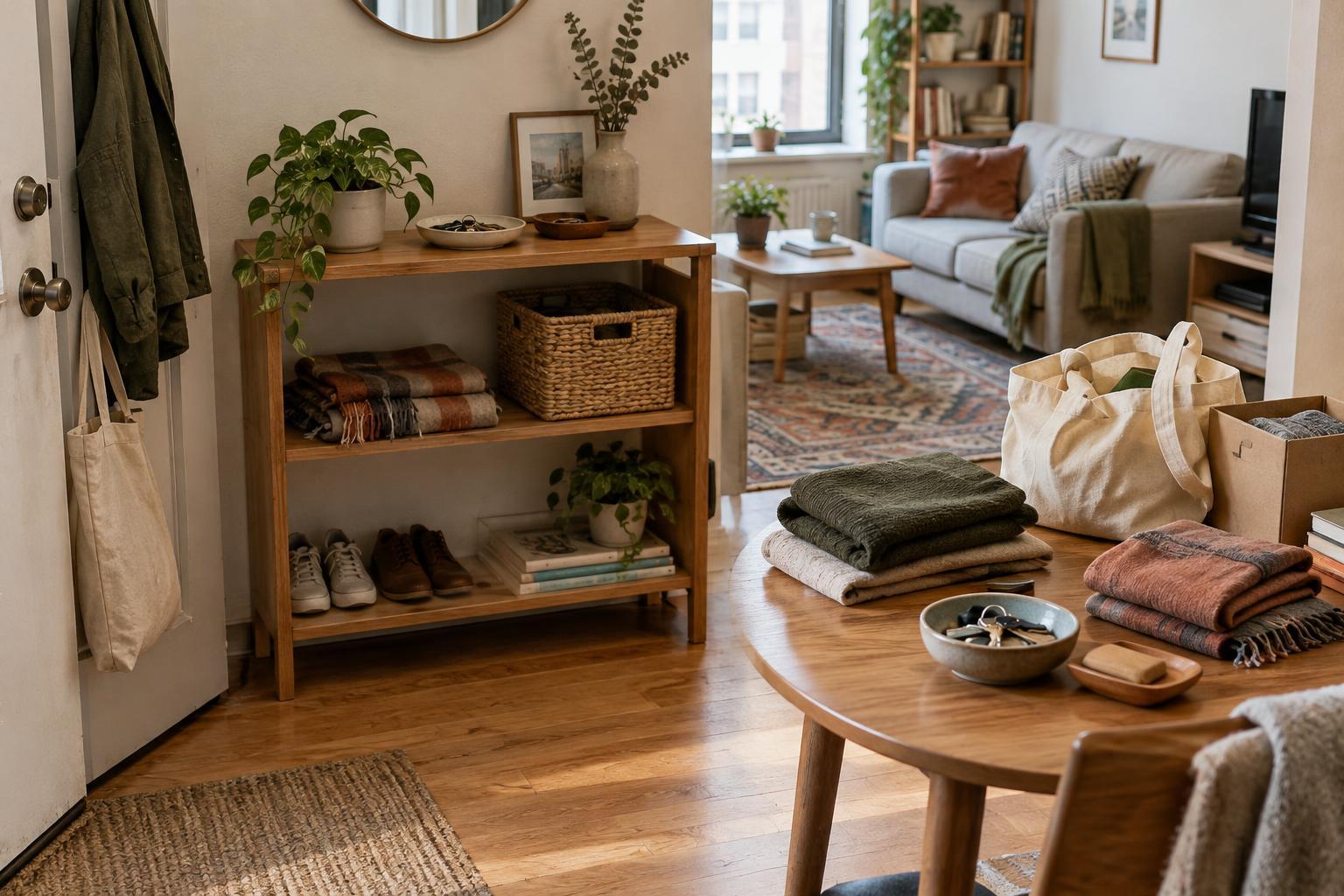
Home OrganizationDecluttering a small apartment does not require an empty weekend or a perfect storage system. Start with one manageable zone, make clear decisions about what stays, and give everyday items a home that fits the space you have.
Read article · 4 min↗
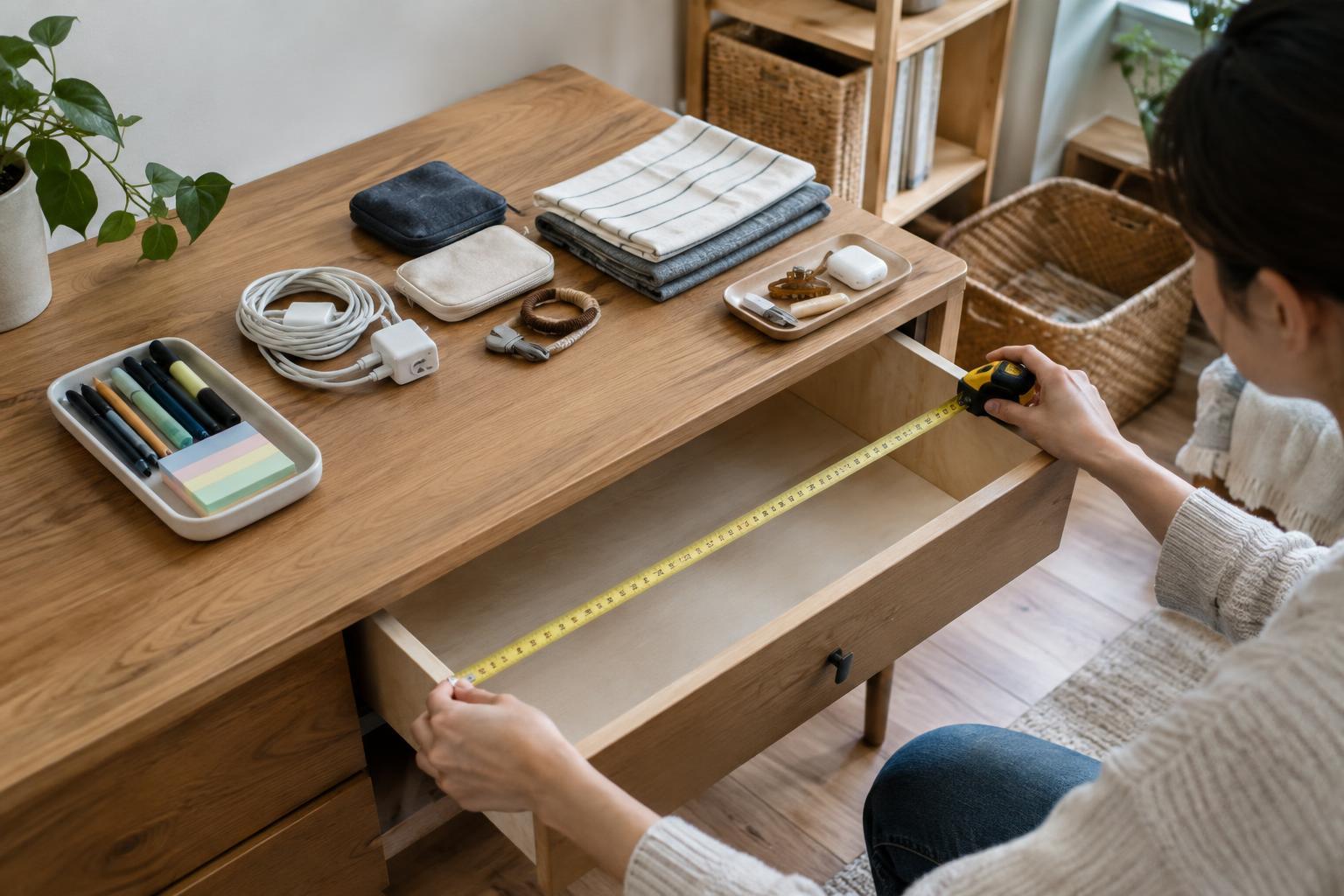
Home OrganizationThe right organizer solves a specific storage problem. Before buying bins, baskets or drawer dividers, take stock of what you own, where you use it and how much space you actually have.
Read article · 4 min↗
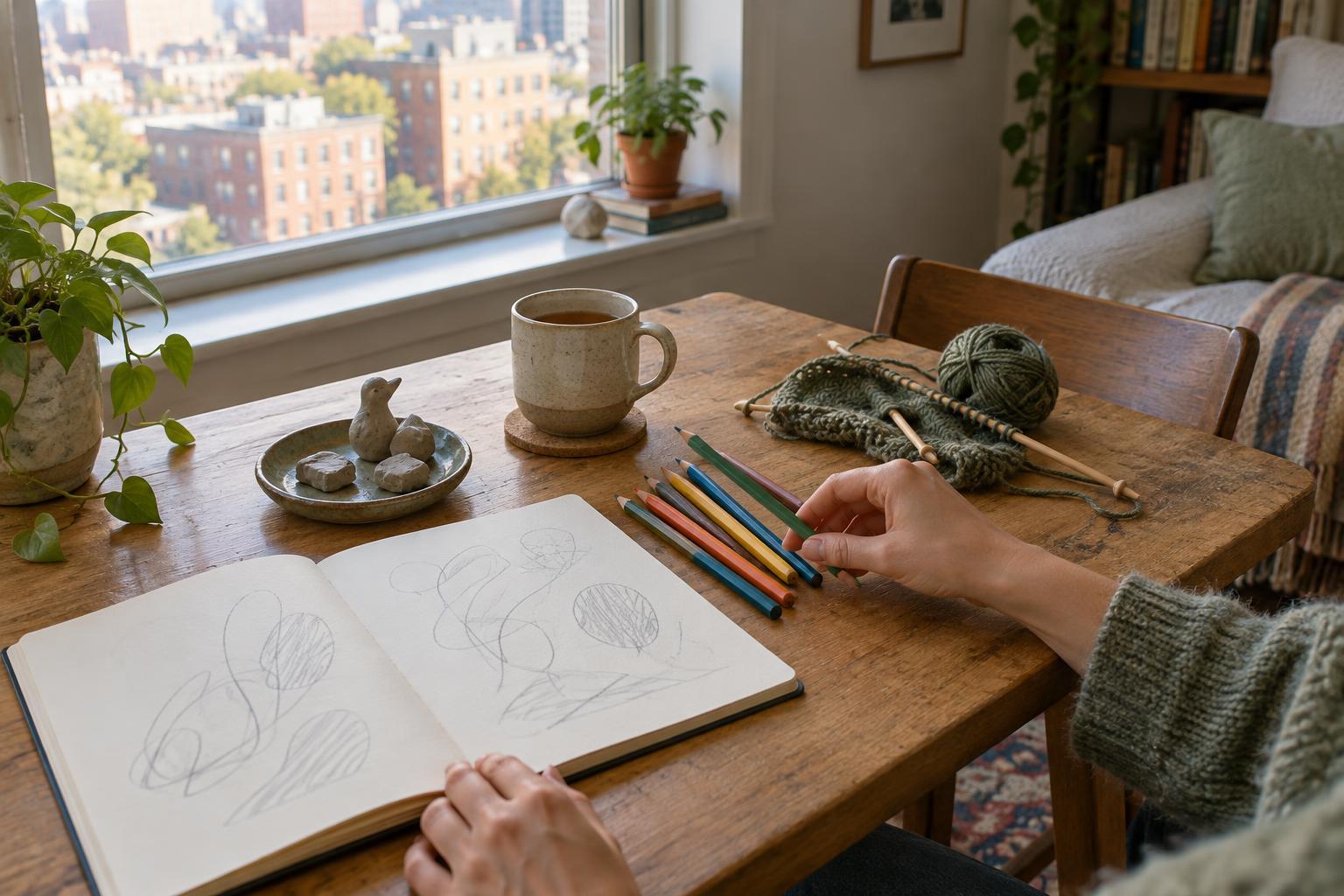
Creative DowntimeScreen-free time does not have to mean taking on a big project. Match a small creative activity to your energy, attention and available space, whether you need a quiet reset or a little momentum.
Read article · 4 min↗
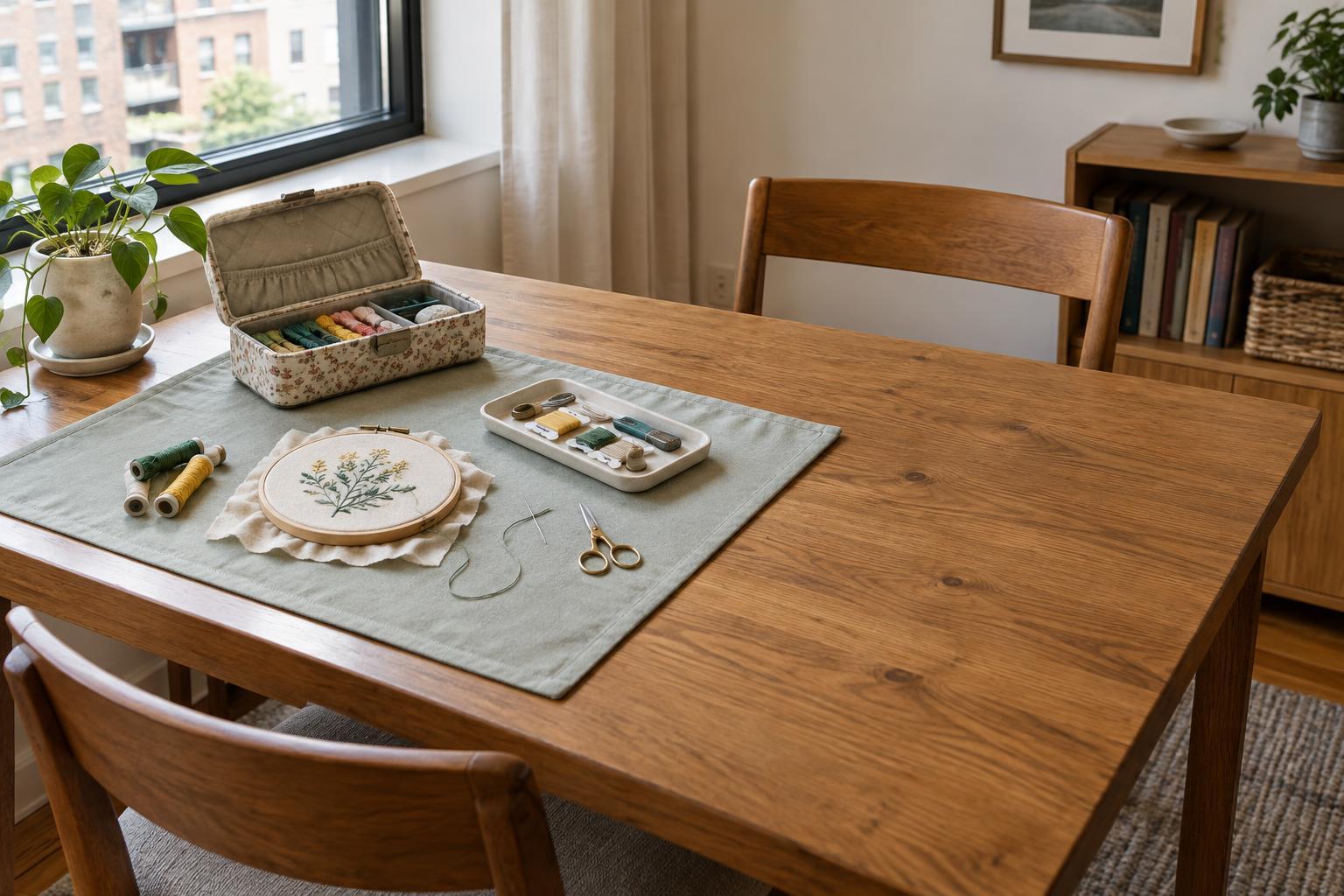
Creative DowntimeYou do not need a dedicated craft room to make something by hand. A portable kit, a protected surface and a short closing routine can turn a table into a useful workspace without leaving the rest of your home in disarray.
Read article · 4 min↗

Creative DowntimeA hobby can stop feeling restful when it becomes another task to optimize, document or finish. Here are common ways that pressure creeps in—and practical ways to make creative downtime feel like your own again.
Read article · 3 min↗
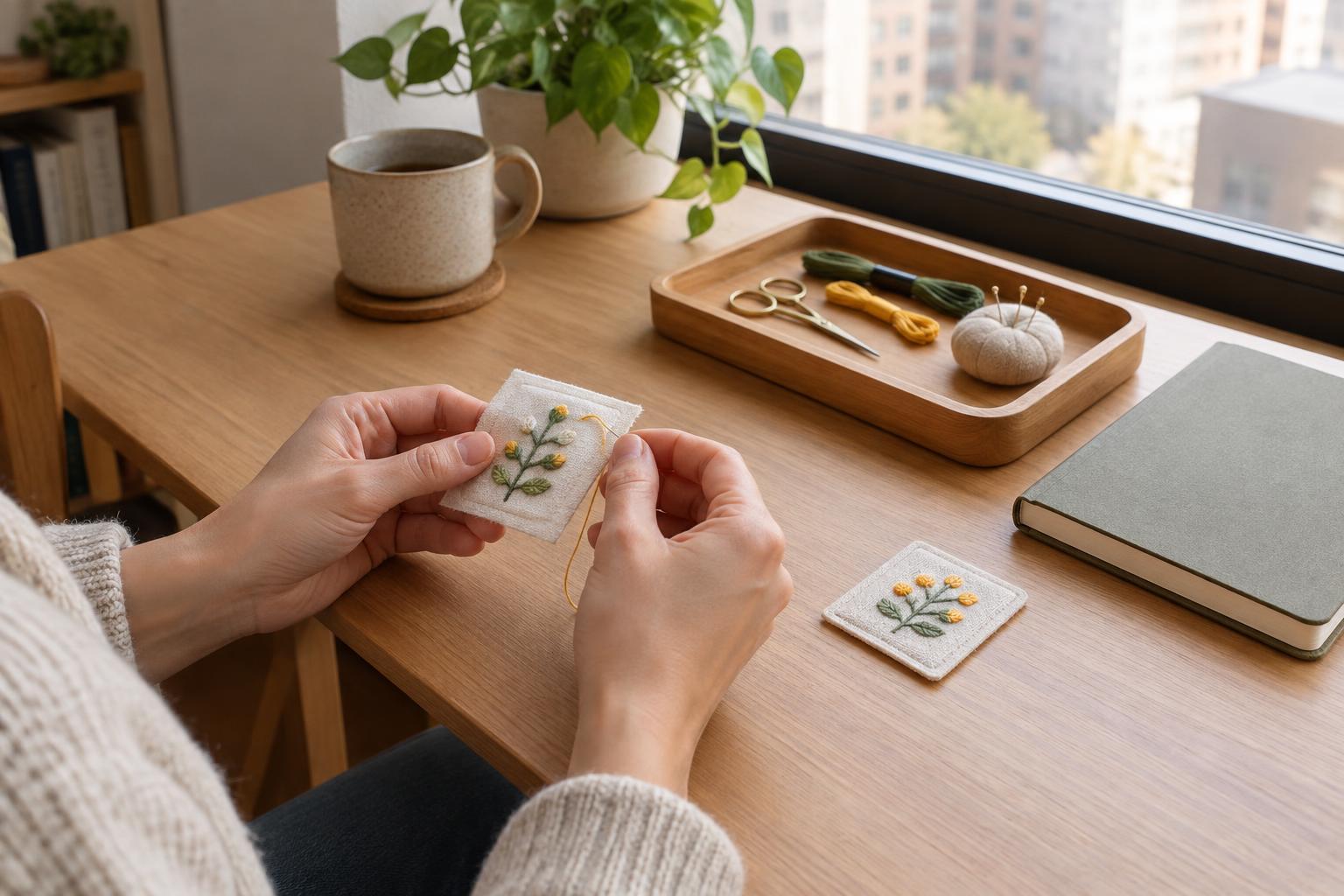
Creative DowntimeA new creative idea can be irresistible, especially when free time is scarce. Learn how to choose projects that fit your week, define what finished means, and make room for new ideas without abandoning the work already in progress.
Read article · 4 min↗

Creative DowntimeA spare half hour is enough to make something, explore an idea, or enjoy a small creative reset. Try these low-preparation activities at home or around your neighborhood, with simple ways to start and stop on time.
Read article · 4 min↗

Creative DowntimeA craft night doesn’t need a complicated project or a perfectly tidy home. Choose an easy activity, set out a few shared supplies and give friends room to make, chat or simply relax.
Read article · 4 min↗

Creative DowntimeAn album can give a short break a beginning, middle and end. Here is a simple way to put your phone aside, listen with curiosity and return to your day without turning downtime into another task.
Read article · 4 min↗

Creative DowntimeA relaxing playlist does not have to be slow, silent or perfectly curated. Start with the mood you want to leave behind, choose a short listening window, and arrange familiar songs to make the transition into downtime feel easy.
Read article · 4 min↗
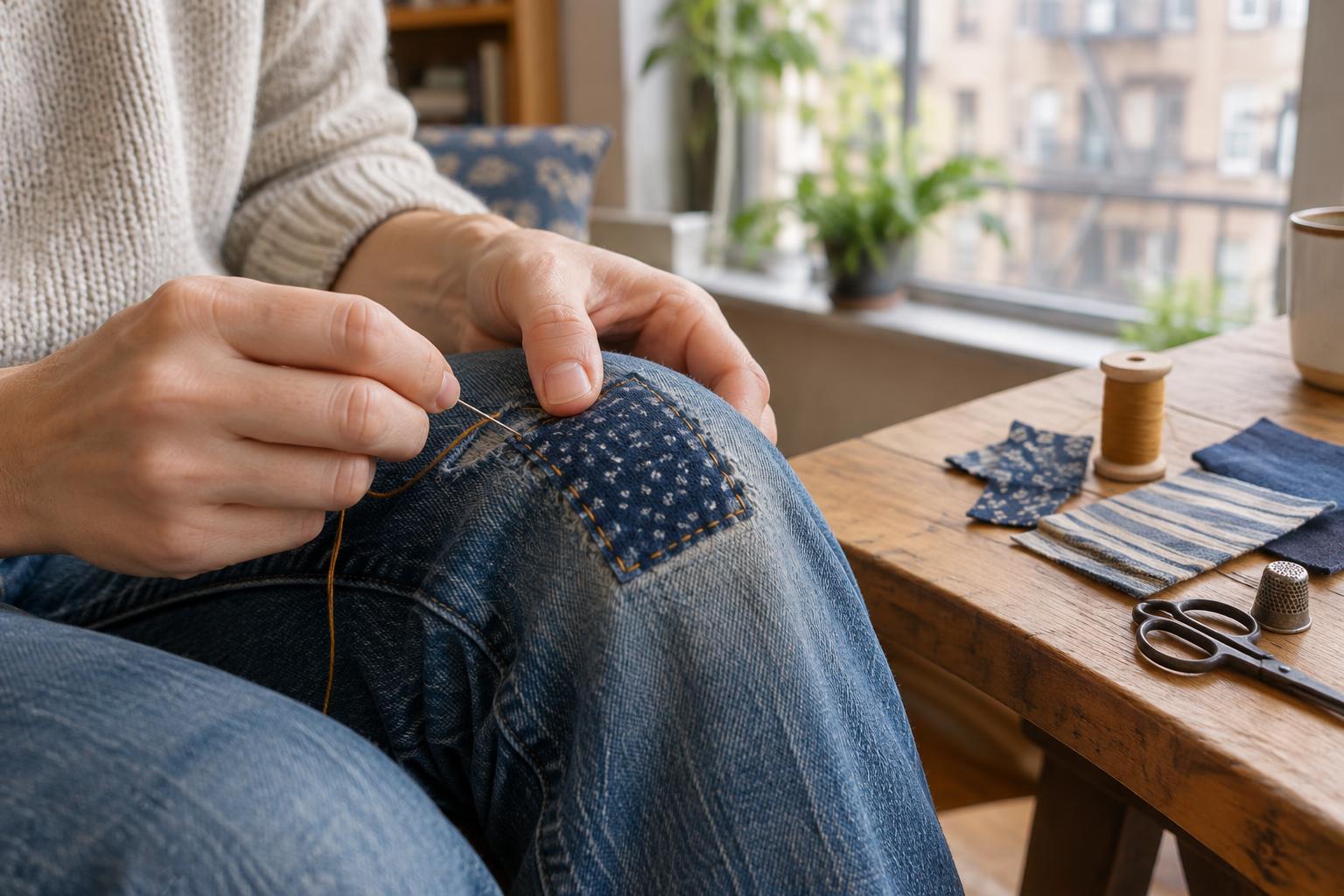
Creative DowntimeVisible mending turns small clothing repairs into a chance to slow down and make something personal. Learn how to choose a first project, gather simple supplies, stitch a sturdy patch and enjoy the process without aiming for perfection.
Read article · 4 min↗
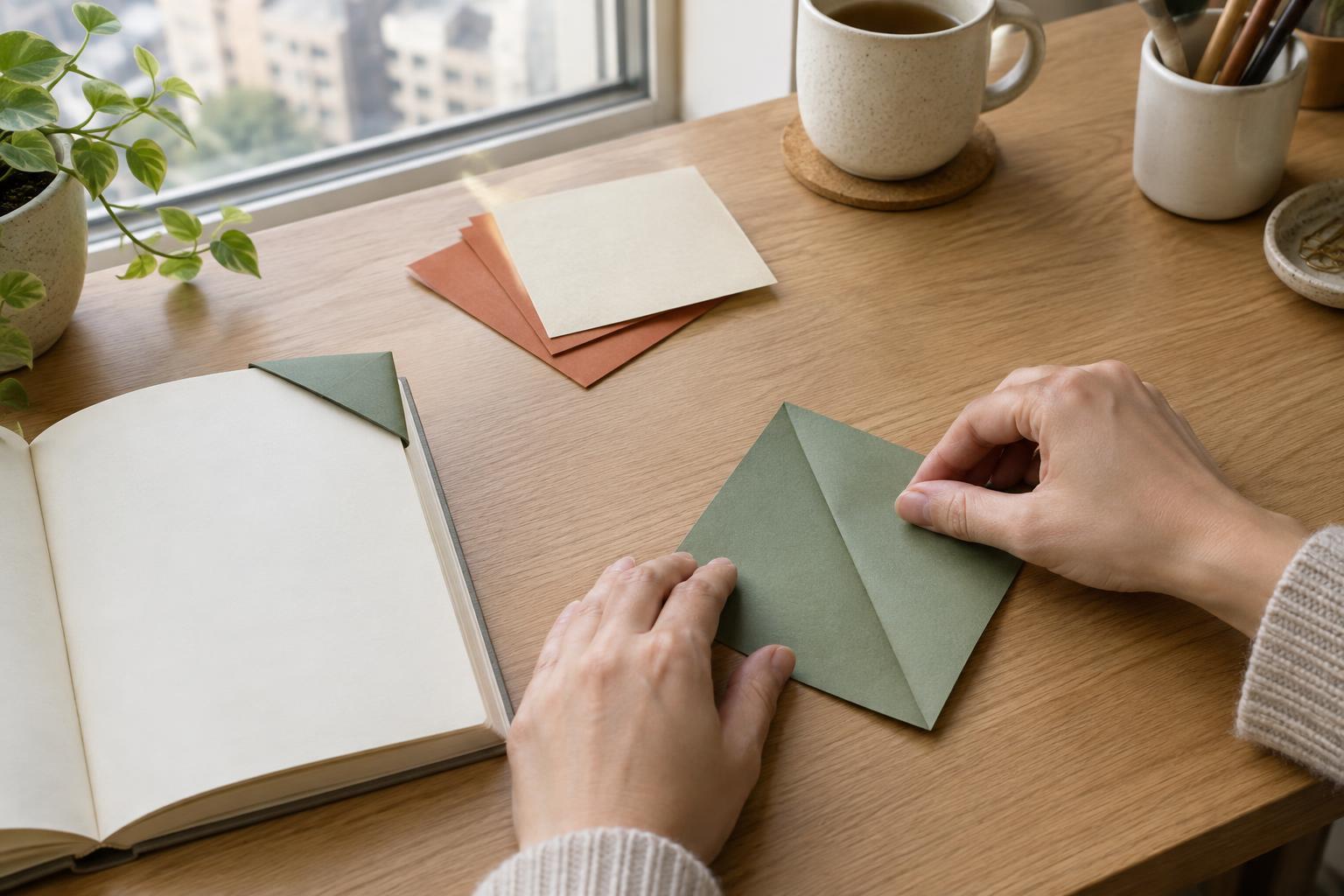
Creative DowntimeOrigami is an easy way to make a small pocket of creative time. Learn how to choose paper, practice valley and mountain folds, and turn a square into a useful corner bookmark.
Read article · 4 min↗

Creative DowntimeYou do not need a new destination or expensive camera to make a familiar walk worth photographing. A small theme, a slower pace, and a few choices about light and framing can turn everyday streets into a satisfying creative exercise.
Read article · 4 min↗
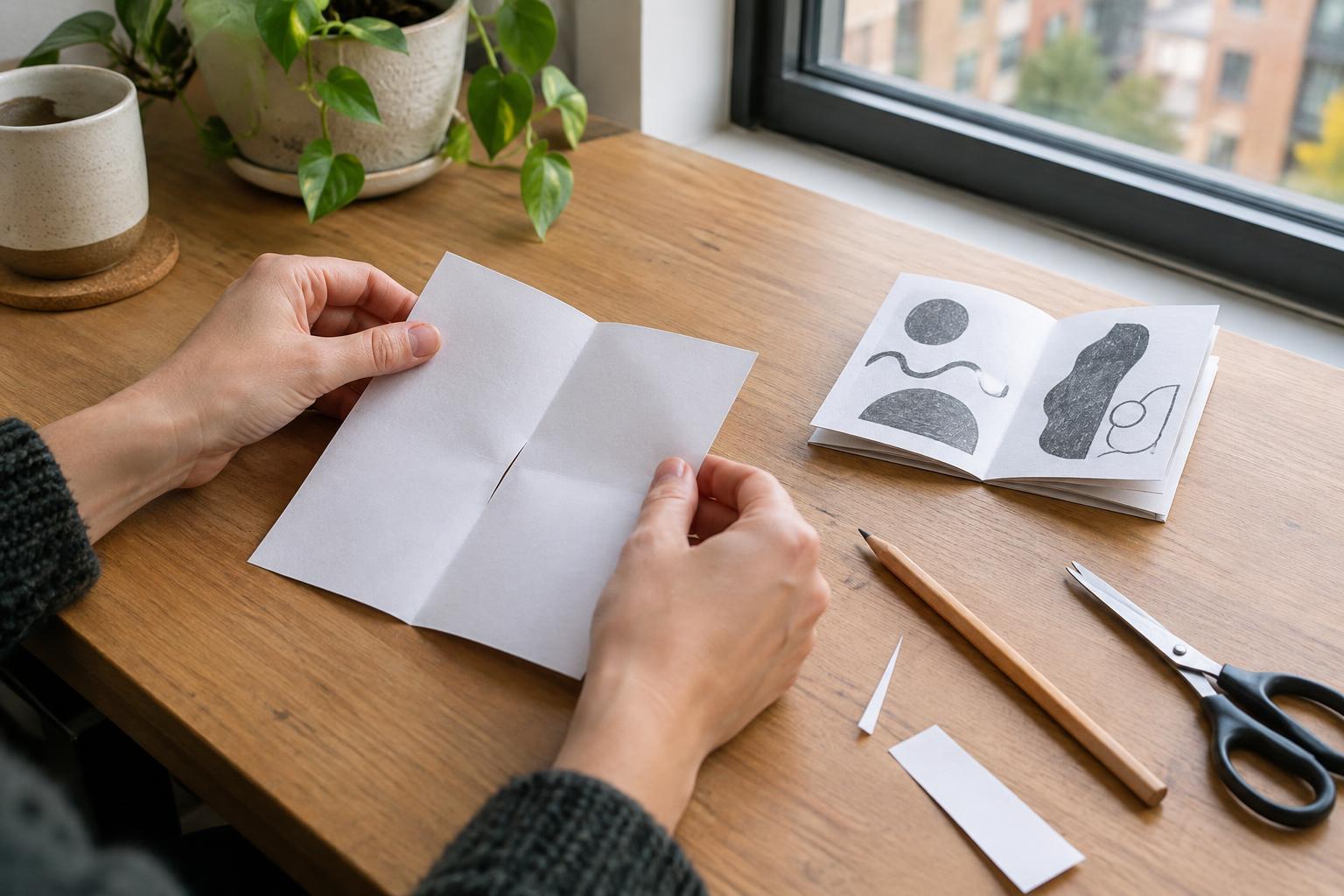
Creative DowntimeA one-sheet zine turns an ordinary piece of paper into a tiny eight-page booklet. Learn the fold-and-cut method, plan your pages without getting lost, and make a small creative project that fits into a short break.
Read article · 3 min↗
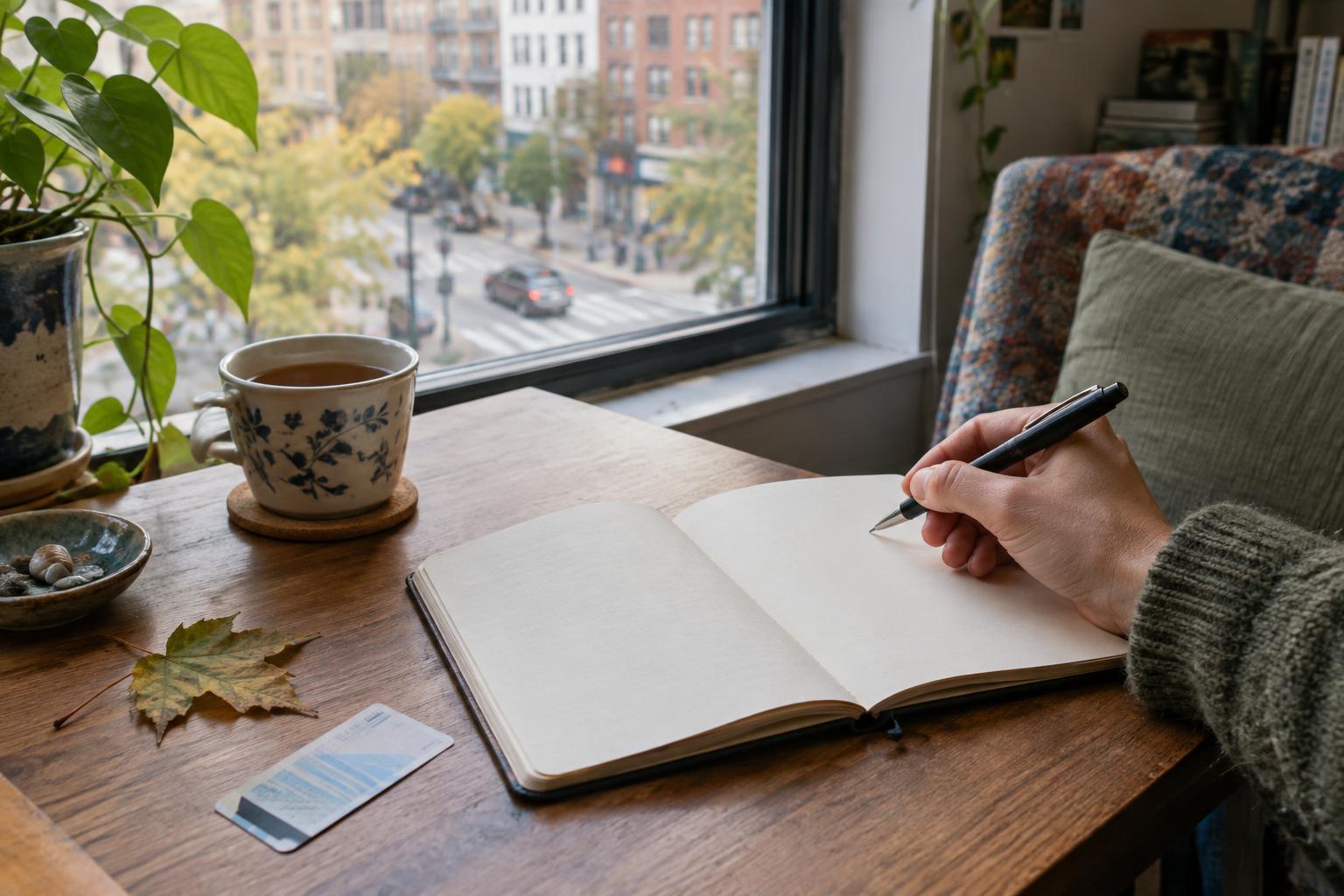
Creative DowntimeA daily poetry practice does not require a quiet room or a finished poem every day. With a small writing window, a place to catch observations and a few reliable prompts, you can make poetry a manageable way to notice more of your ordinary life.
Read article · 4 min↗

Creative DowntimeYou do not need a finished story in mind to enjoy a writing session. These small, flexible prompts offer ways to begin when the page feels blank and your free time is short.
Read article · 4 min↗
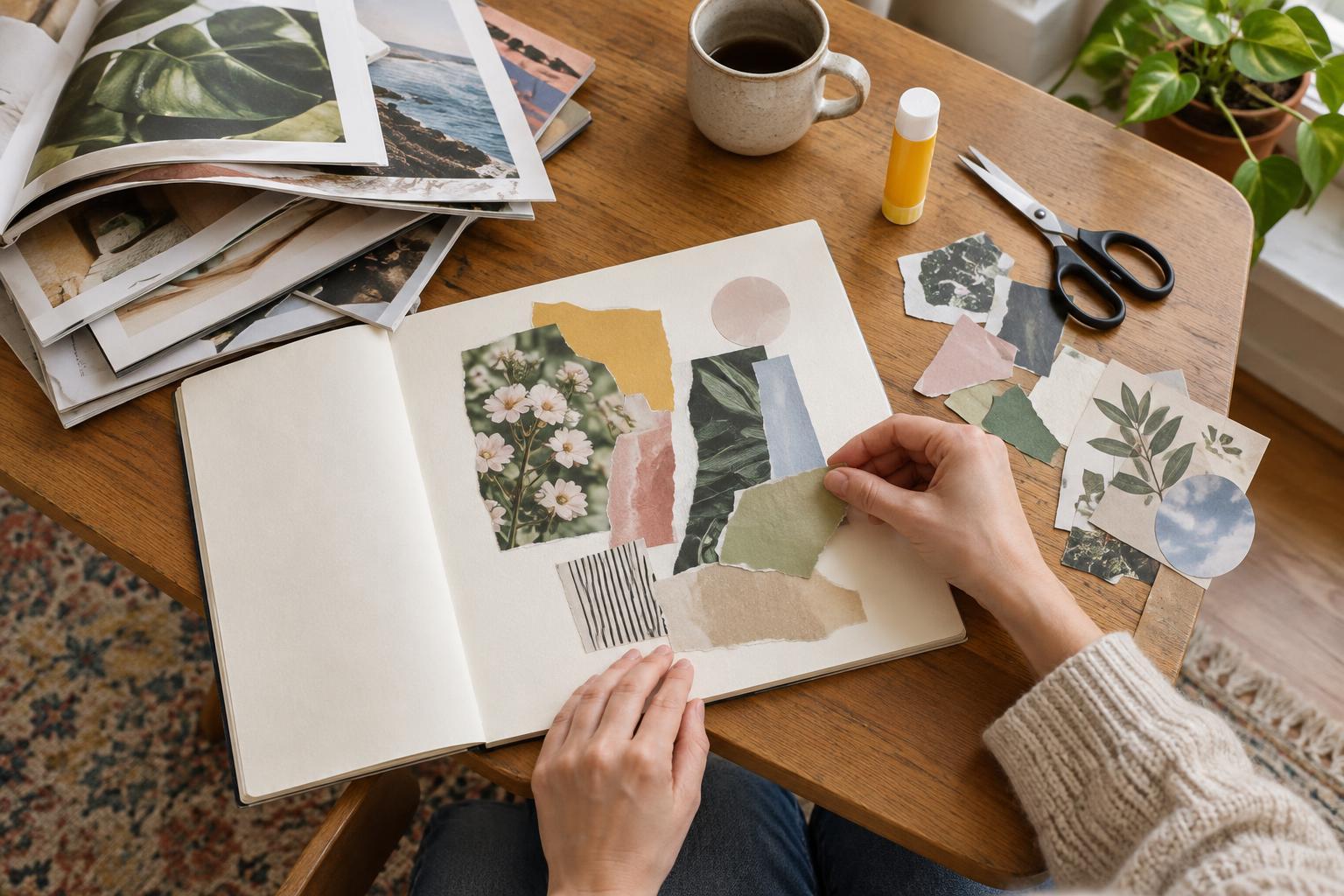
Creative DowntimeCollage is an easy way to make something with materials you already have. Learn how to gather paper, choose a simple idea, arrange your pieces and finish a page without needing much space or special equipment.
Read article · 4 min↗
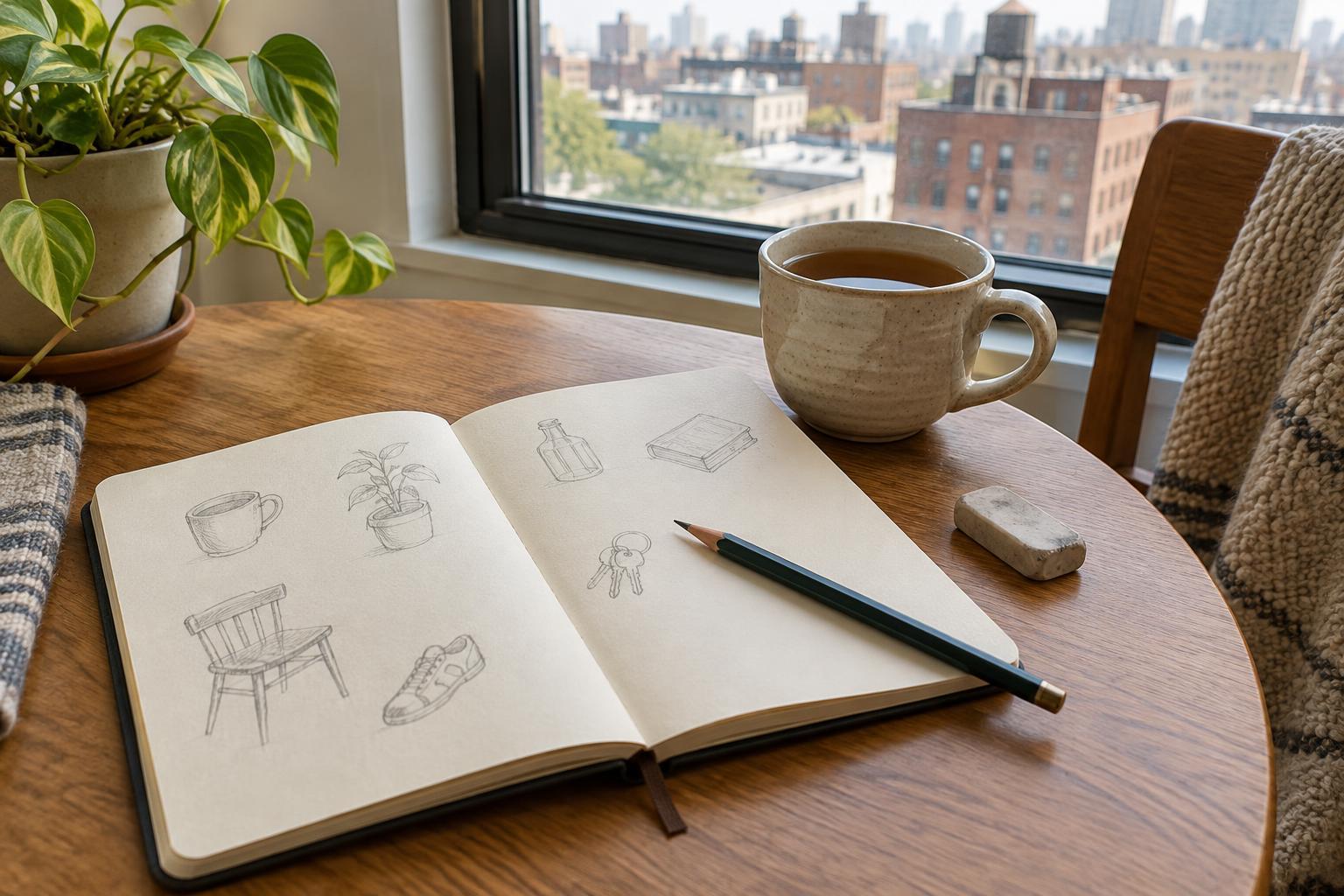
Creative DowntimeA sketchbook can be a place to notice, experiment and unwind—not a project you have to complete. Try a few low-pressure habits that make it easier to open the book whenever you have a spare moment.
Read article · 3 min↗
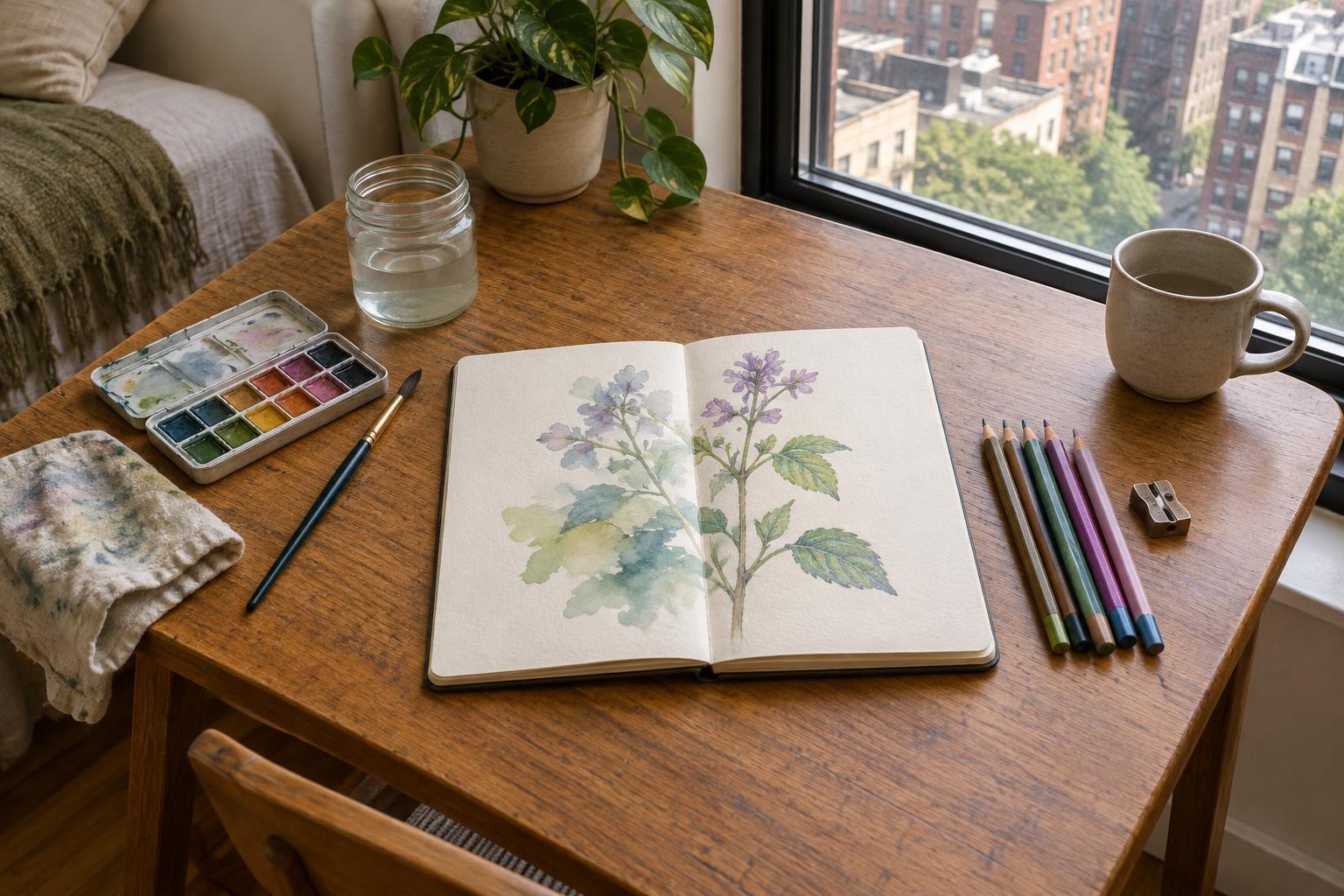
Creative DowntimeBoth watercolor and colored pencils can make a small corner feel like a creative workspace. The easier choice depends less on the size of your room than on your tolerance for setup, cleanup and interruptions. Here is how the two compare when every bit of table space counts.
Read article · 4 min↗
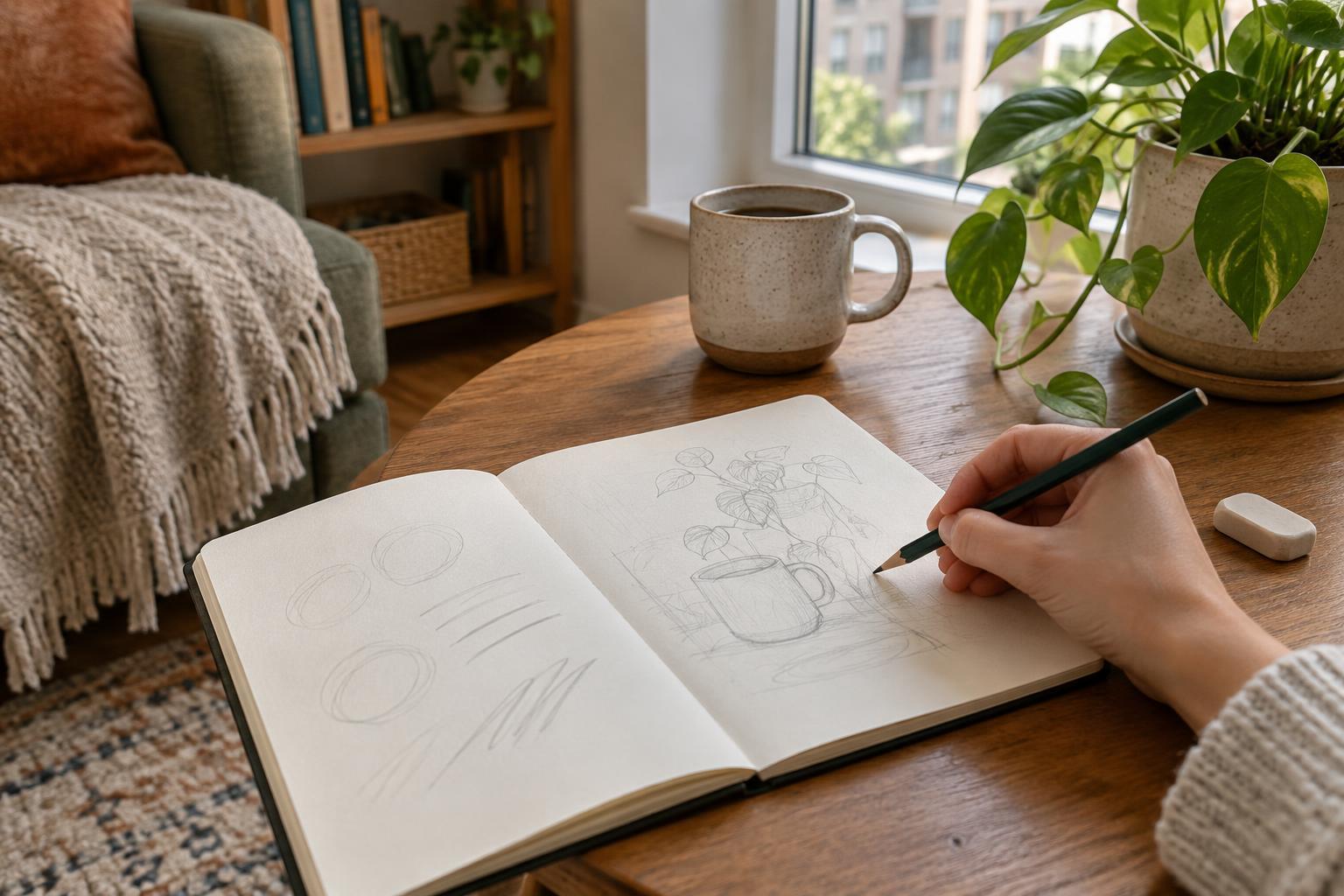
Creative DowntimeYou do not need special talent, expensive supplies, or a finished picture to enjoy drawing. These short, low-pressure exercises give beginners a way to slow down, notice their surroundings, and make something with a few spare minutes.
Read article · 3 min↗
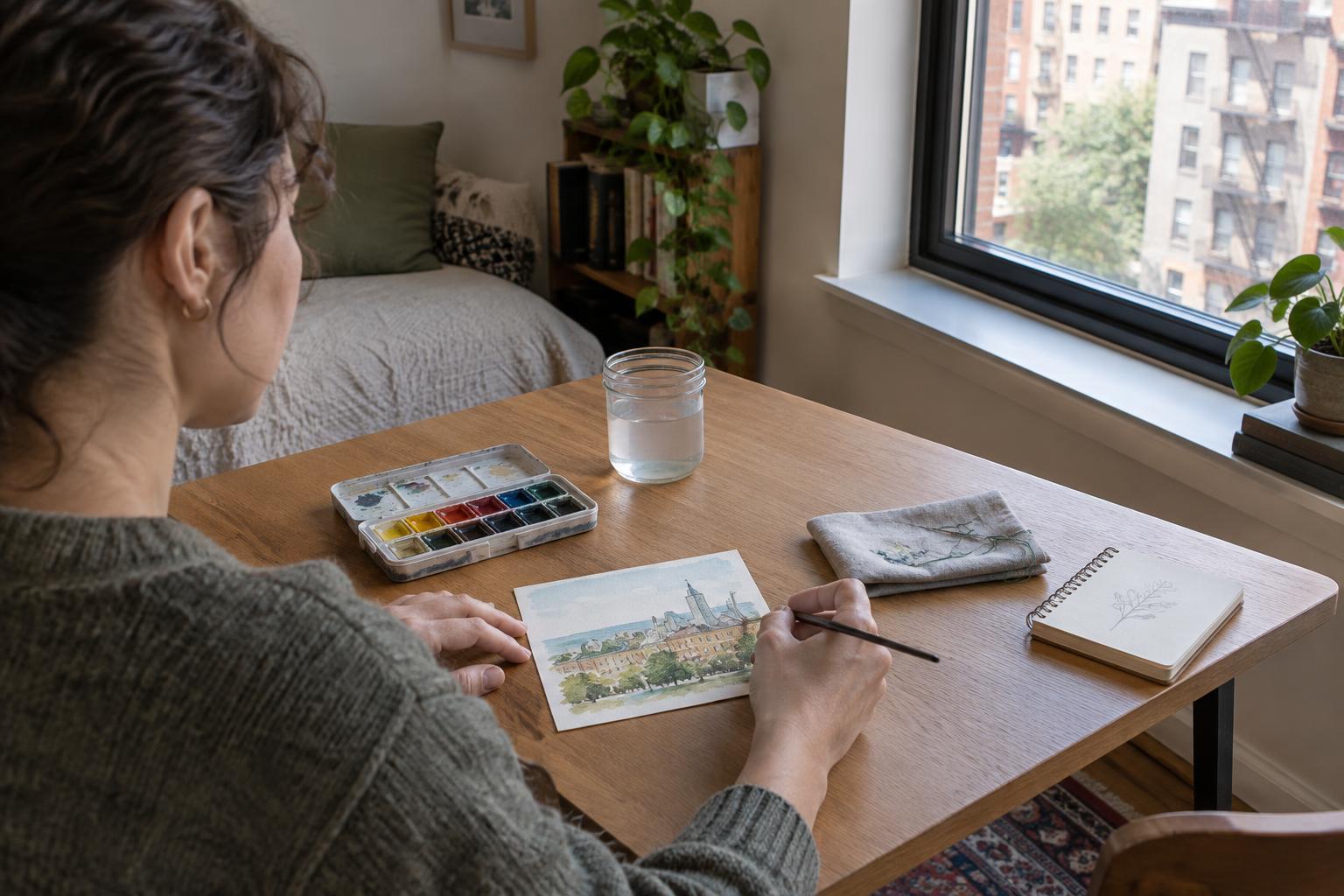
Creative DowntimeA creative hobby should make free time feel more inviting, not create another set of obligations. Use your available space, a comfortable spending limit, and your usual energy level to find something you can enjoy in an ordinary week.
Read article · 4 min↗

Creative DowntimeA creative break does not need a free evening or a dedicated workspace. With one small activity, a simple 15-minute structure, and an easy stopping point, you can make room for creativity even on a crowded day.
Read article · 4 min↗
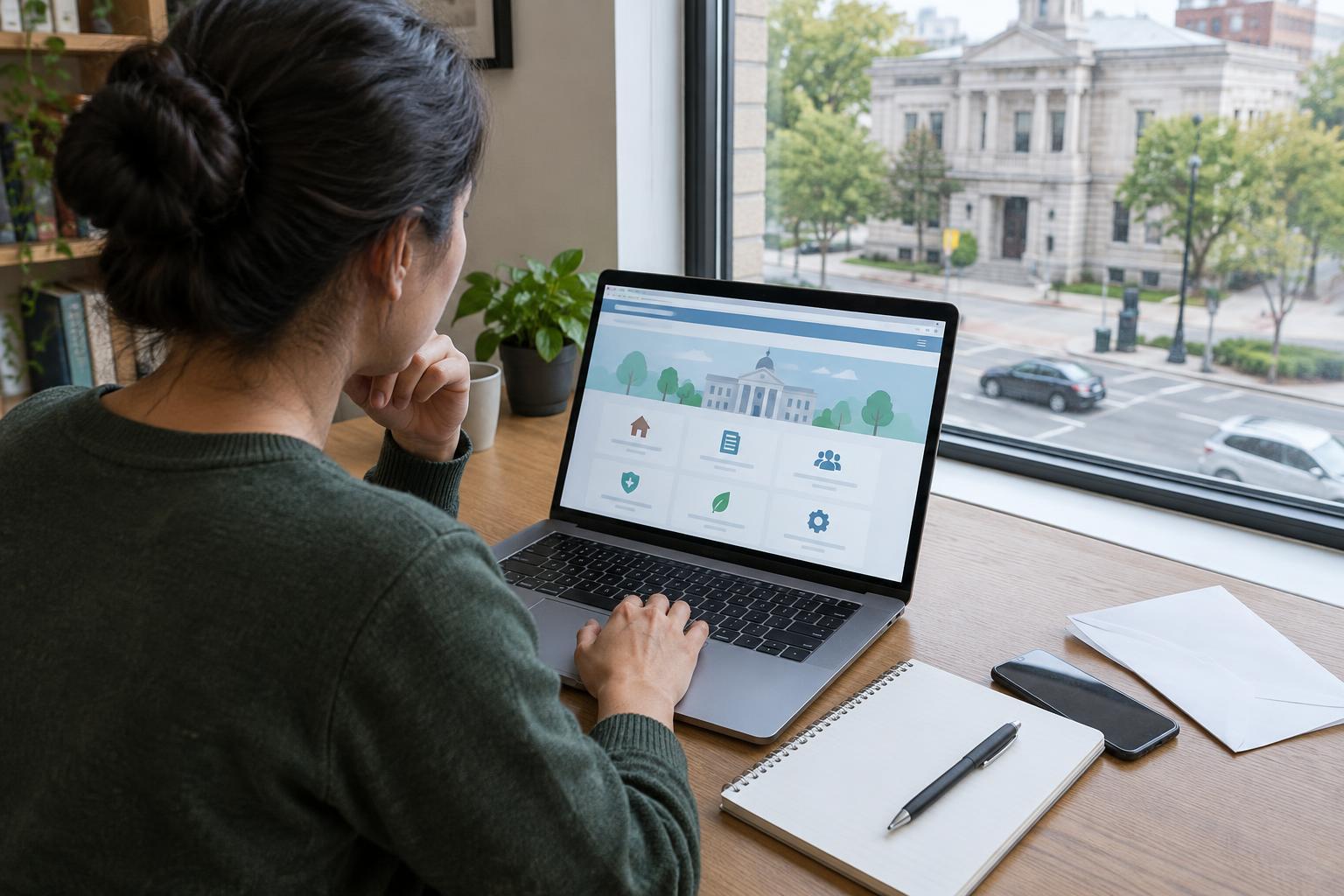
City LivingA practical guide to finding the right city office, checking service details, and getting a clear answer before you spend time on a form, a phone call, or a trip across town.
Read article · 4 min↗

City LivingA delayed train or diverted bus can throw off a packed schedule. A simple plan for checking what changed, choosing a workable alternative and keeping others informed can help you regain control without rushing.
Read article · 4 min↗

City LivingTransit apps make city travel easier, but a neat route on a screen is not always a smooth trip on the ground. Learn how to spot fragile connections, interpret arrival estimates and keep a simple backup plan.
Read article · 4 min↗

City LivingA public park can be a place to rest, move, meet a friend or discover a new corner of your city. Here are simple ways to make a park visit feel worthwhile without buying anything.
Read article · 3 min↗

City LivingAn accessible city route is more than the shortest line on a map. Learn how to check sidewalks, crossings, transit connections and destination entrances, then build a backup plan that fits your needs.
Read article · 4 min↗

City LivingCollection rules can vary by city, neighborhood, and building. Learn how to find the instructions that apply to your address, sort everyday waste, plan for bulky items, and set up a routine that works in a small home.
Read article · 4 min↗

City LivingWalking alone can be a useful, enjoyable part of city life. A little preparation, a comfortable pace and a few flexible habits can help you pay attention to your surroundings without treating every walk as a source of worry.
Read article · 4 min↗

City LivingCity cycling becomes easier when you know how to read a bike lane, approach an intersection, and make your movements predictable. This practical guide covers route planning, lane awareness, turns, and everyday riding habits.
Read article · 4 min↗

City LivingA little planning can make a long day in the city more comfortable. Learn where to look for restrooms, how to check whether they are available, and what to carry when you are away from home.
Read article · 4 min↗

City LivingA public library can be a useful stop between home, work and the rest of the city. Learn how to make the most of its seating, events, equipment and local information without assuming every branch offers the same services.
Read article · 4 min↗
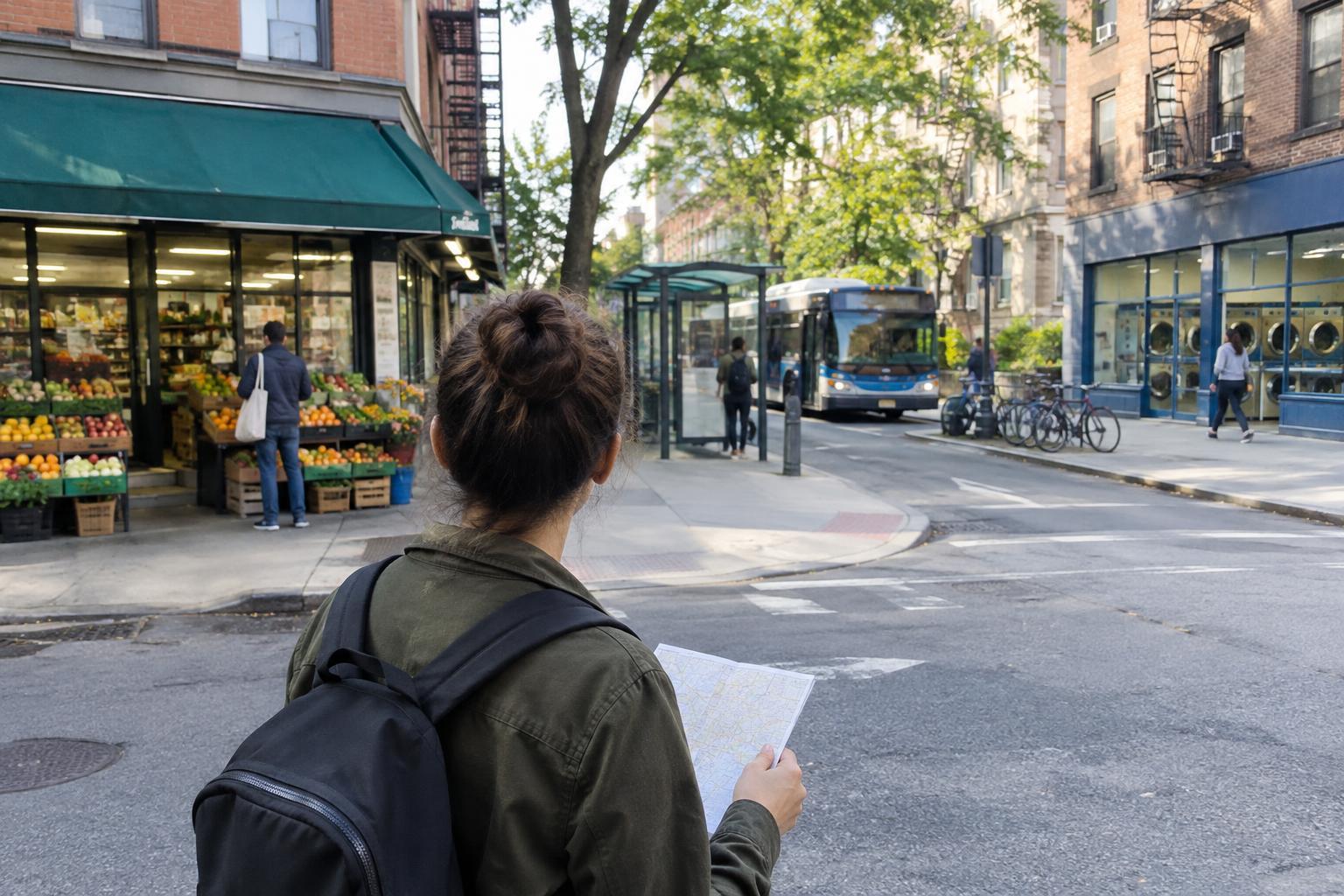
City LivingA new neighborhood becomes easier to navigate once you know where to handle everyday needs. Use this practical checklist to find groceries, transport, household services, and useful local contacts without trying to learn everything at once.
Read article · 4 min↗

City LivingStreet parking gets easier when you read each sign as a set of conditions rather than a simple yes or no. Learn how to check the exact space, interpret time limits and permits, and spot temporary restrictions before leaving your car.
Read article · 4 min↗

City LivingAn apartment can look right on a tour and still be a poor fit for daily life. Check the routes you will use, visit at different times, test the space carefully, and get clear answers about costs and building routines before you decide.
Read article · 4 min↗

City LivingCity errands can consume a whole afternoon when stops are chosen one at a time. A simple plan for grouping destinations, checking constraints, packing lightly and leaving room for delays can make the trip easier to manage.
Read article · 3 min↗

City LivingA new neighborhood is easier to explore when you have a few reliable reference points and a simple plan for getting back. Learn how to orient yourself, read the street layout, use your phone wisely, and recover calmly from a wrong turn.
Read article · 4 min↗

City LivingThe fastest-looking route is not always the best one. Compare walking, transit, and biking by door-to-door time, comfort, cost, and flexibility so the journey fits the day you’re having.
Read article · 4 min↗

City LivingA commute with a transfer is easier to manage when you plan for the connection, not just the ride. Learn how to compare routes, build a useful time buffer, prepare a backup, and adjust your plan without starting from scratch.
Read article · 4 min↗

City LivingA transit pass can simplify city travel, but it is not always the cheapest choice. Learn how to estimate your trips, find the break-even point, and account for transfers, fare caps, and the journeys you actually take.
Read article · 4 min↗
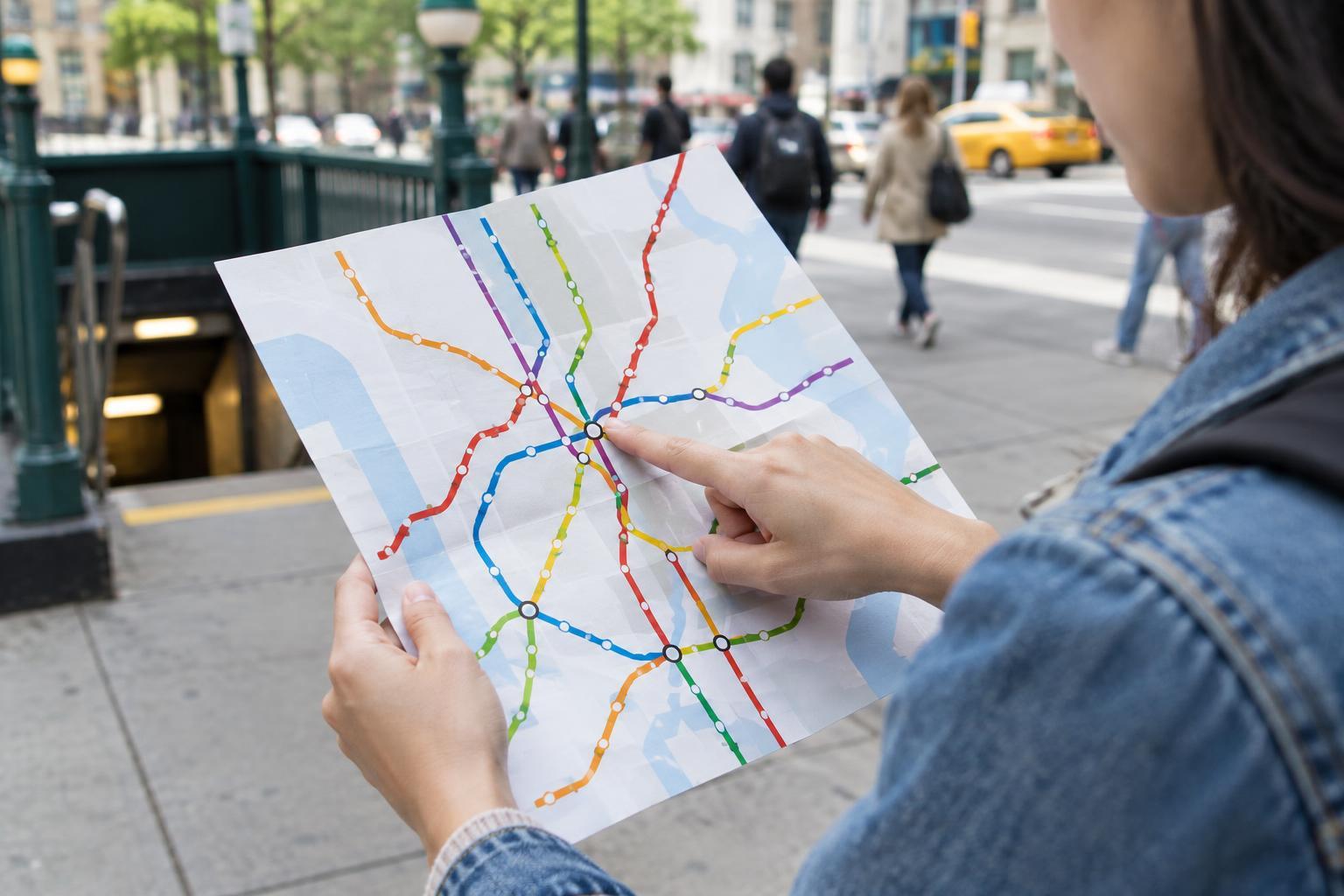
City LivingTransit maps become easier to use once you know what each symbol is trying to tell you. Learn how to find a route, check its direction, plan a transfer and turn a diagram into a trip you can follow on the street.
Read article · 4 min↗

City LivingA neighborhood can look appealing on a weekend and feel very different on a workday. Learn how to compare commute options, everyday errands, street conditions and housing trade-offs against the way you actually spend your time.
Read article · 4 min↗