Start with the errands that have constraints
Before leaving, write down every task you hope to complete and mark the ones with a deadline, appointment, pickup window or closing time. These stops should shape the trip. A parcel collection that must happen before a counter closes matters more to the route than browsing for a household item you could buy another day.
Check what each task requires while you are still at home. A return may need its label and original packaging; a pickup may require an order number or identification. If a business has limited hours or a service counter that closes earlier than the shop, confirm the details before setting out. One missing item can turn an efficient route into a second trip.
Group stops by area, not just by task
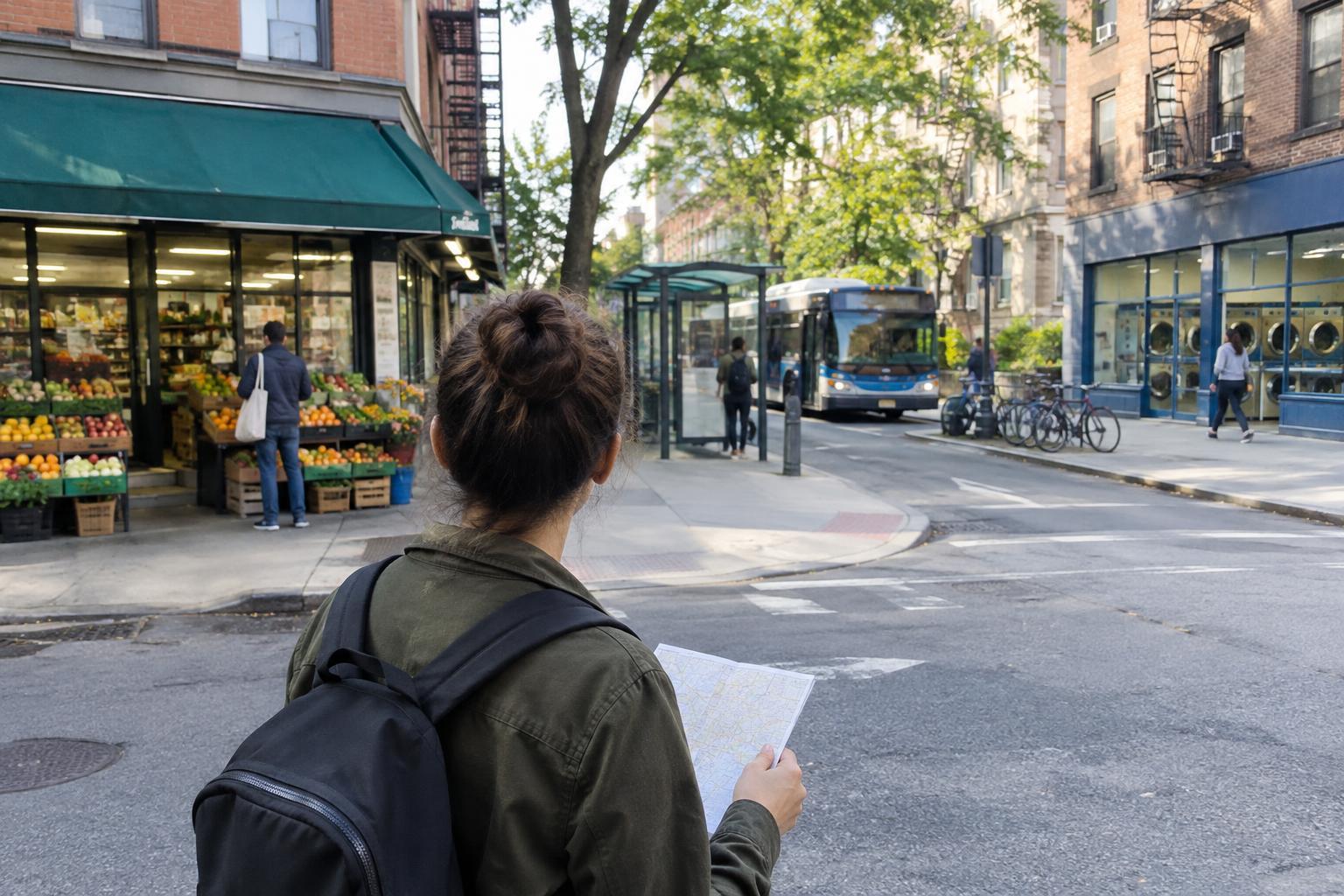
Put your destinations on a map and look for clusters you can cover on foot. A pharmacy, grocery shop and parcel drop-off on neighboring streets may be easier to handle together than three branches of the same chain spread across town. Choose a starting point and an end point that fit your day, such as home, work or a transit stop you already use.
Then decide which cluster to visit first. Put time-sensitive stops where they are most likely to succeed, and leave flexible purchases for later. Avoid crossing the city twice to save a small amount of walking within one neighborhood. If an errand has no urgency and sits well outside the route, moving it to another day may be the more efficient choice.
Pick transport for the whole trip
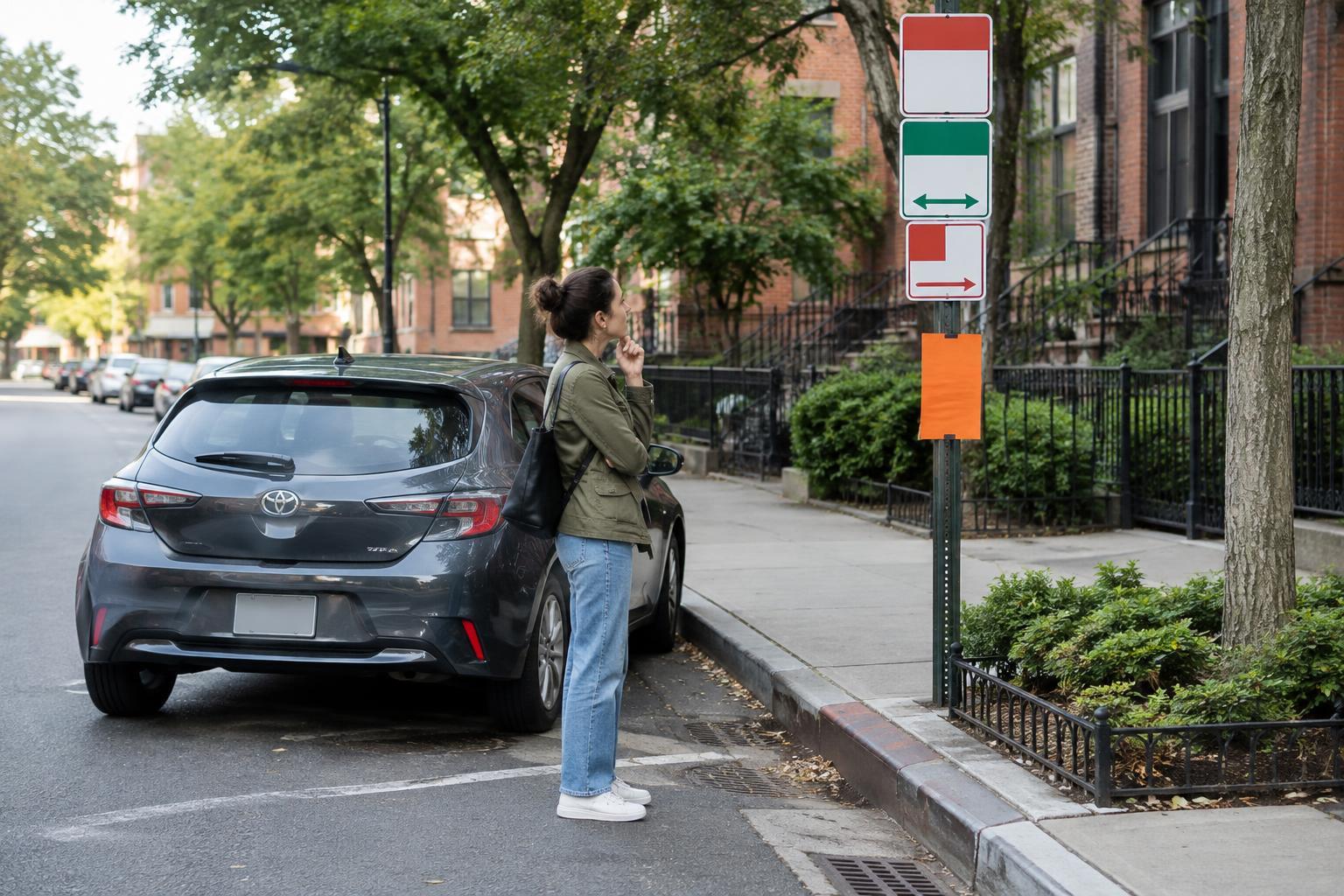
The quickest way to reach the first stop is not always the best way to complete the circuit. Think about how many transfers you would make, how far you will walk between destinations and what you will be carrying on the way back. Walking may work well for a compact cluster; transit may help connect clusters farther apart. A bike or car can be useful for some loads, but parking, storage and traffic may offset that benefit.
Plan the route around what is comfortable and practical for you, not an idealized travel time. If stairs, crowded vehicles or long walks are difficult, favor stops with easier access and allow more time between them. It can also help to keep a simpler return option in mind, especially if you expect to finish with heavy bags.
Pack and sequence for what you will carry
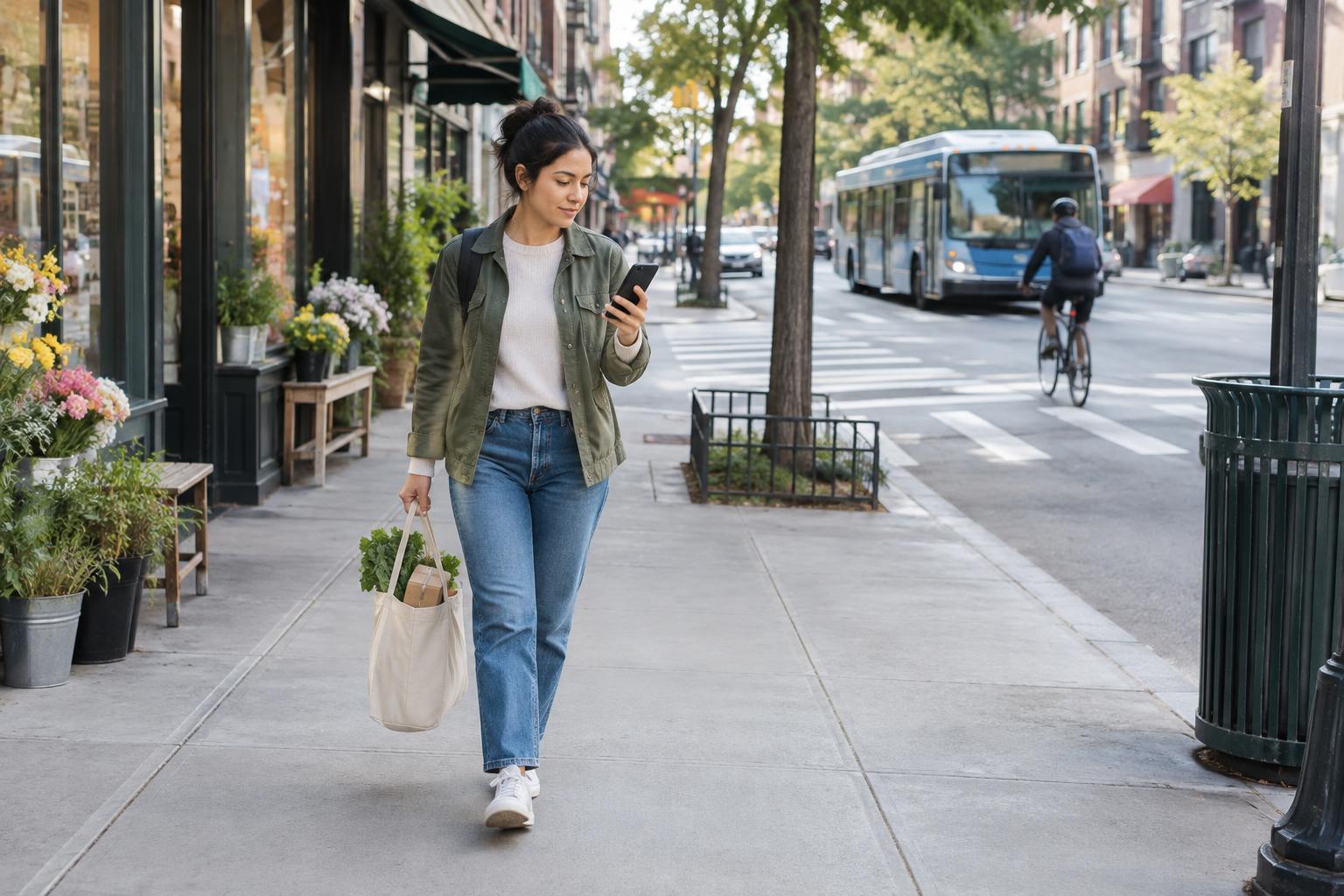
Leave with a short list, the items needed for returns or pickups, and a bag that suits the load. A reusable tote may be enough for a few small purchases; a backpack can keep your hands free on a longer route. If you need to bring documents or fragile items, give them a secure place rather than letting them disappear among groceries.
The order of stops affects what you carry. Drop off outgoing parcels early so they do not travel with you all day. Make bulky or heavy purchases near the end, particularly if you are returning home directly afterward. If you are buying food that needs to stay cool, plan that stop last or bring a suitable insulated bag. These small choices can make the journey more comfortable without requiring a perfectly optimized route.
Leave room for the city to change your plan
A useful errand plan has some slack. Queues, delayed transport and unavailable items can all disrupt a tightly timed circuit. Decide in advance which tasks are essential and which you can skip if the trip runs long. When an important stop takes more time than expected, you can adjust without feeling obliged to rush through every remaining task.
At the end, note what caused unnecessary backtracking or extra carrying. Perhaps two stops belong on different days, or a regular purchase would fit better into a walk you already take. The goal is not to turn every free hour into a logistics exercise. It is to spend less of that hour retracing your steps, so the practical tasks leave room for the rest of city life.