Start with the reason, not the course
It is easy to choose a new skill because a class looks exciting or someone you know has become good at it. Before signing up, ask what you want the skill to do for you. Are you looking for a practical ability, a creative outlet, a way to meet people, or a satisfying challenge? There is no need for your answer to sound impressive. “I want something enjoyable to do after work” is a useful goal.
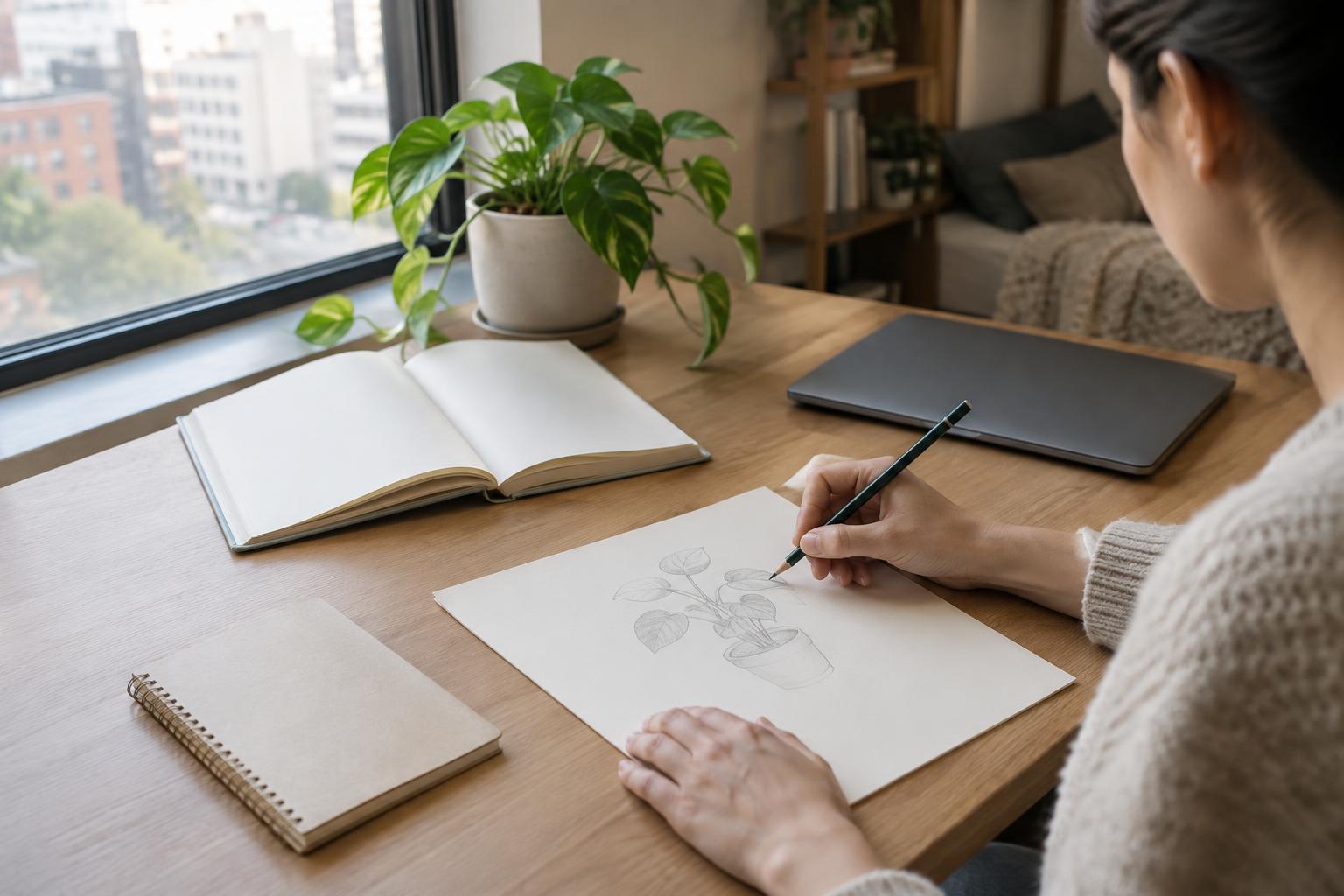
Make the goal specific enough to guide a choice, but flexible enough to leave room for discovery. If you want to cook more often, learning a few dependable meals may serve you better than tackling elaborate techniques. If you want to unwind, sketching for pleasure may be a better fit than a demanding certification course. Choose one primary reason for starting; a skill does not have to improve every part of your life.
Count the time you can actually use
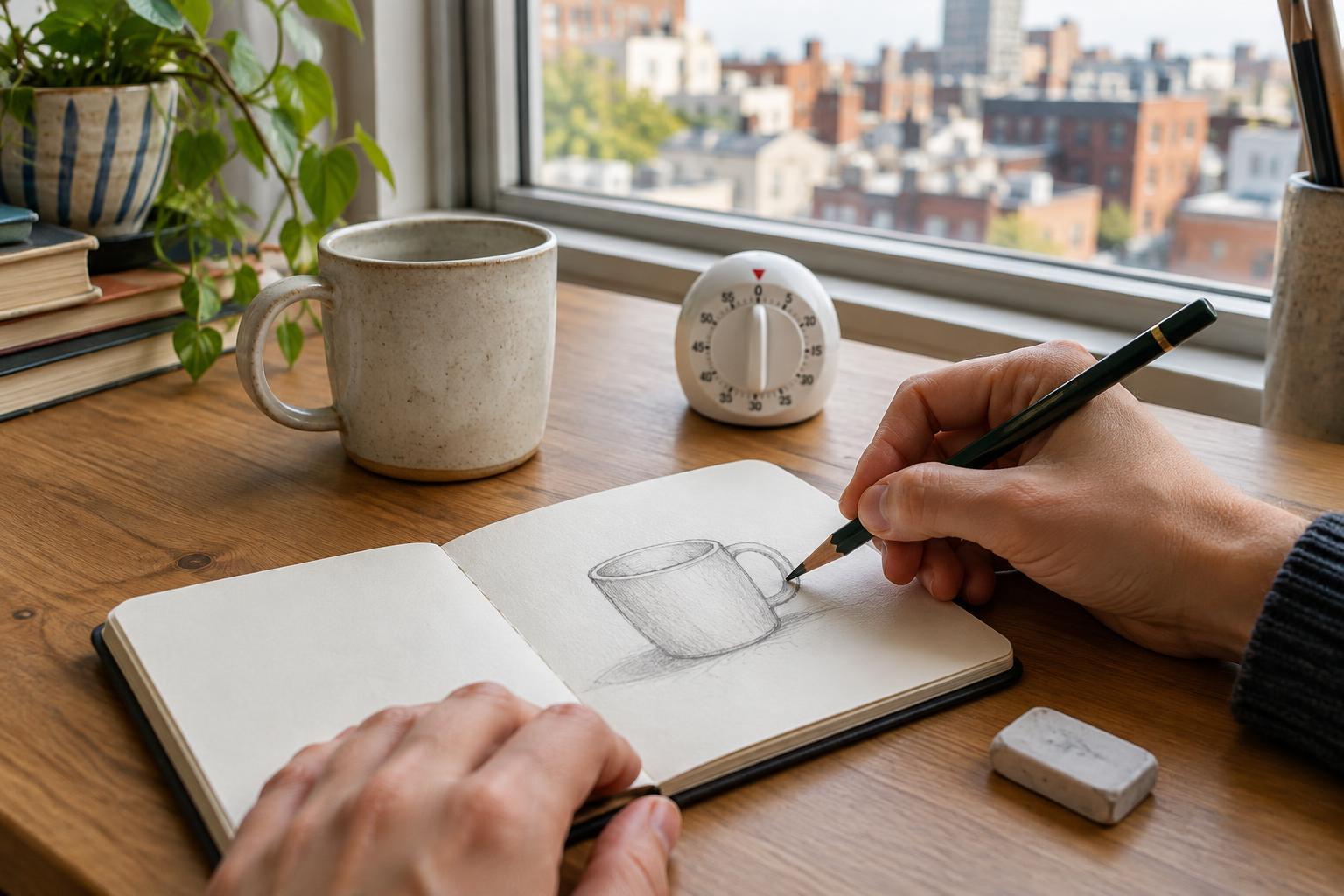
Look at an ordinary week, not an unusually quiet one. Include the time it takes to travel to a class, set up supplies, clean up, and recover from a busy day. A two-hour session across town may require most of an evening. By contrast, a skill you can practice at your kitchen table for twenty minutes may be easier to repeat.
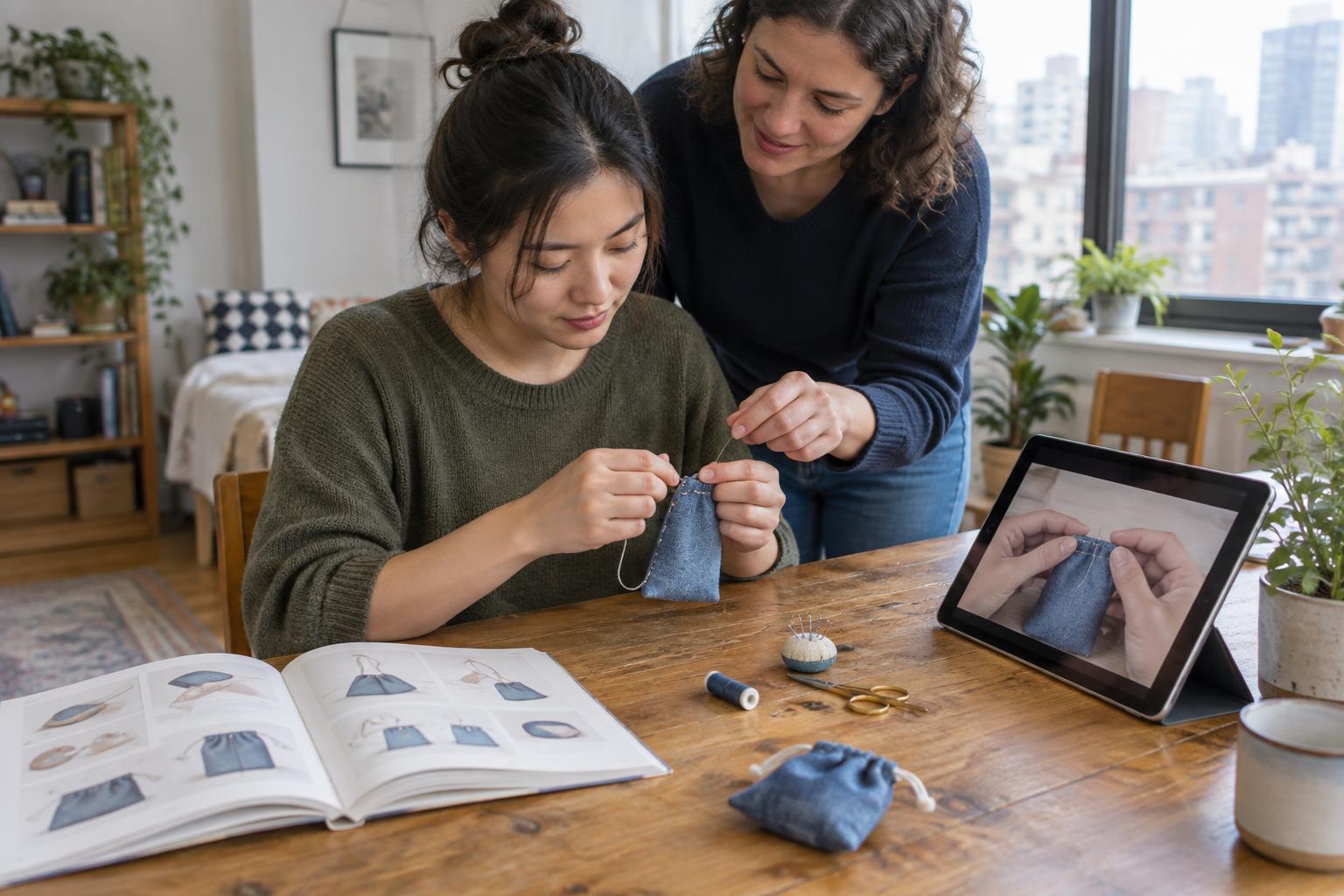
Match the format to your schedule. Short, frequent sessions can suit language practice, drawing, or basic coding exercises. A longer weekly block may work better for sewing, woodworking, or a group class. If your free time changes from week to week, look for a skill with a useful “small version”: one recipe, one song section, or one short practice exercise. Consistency becomes less daunting when a brief session still counts.
Set a budget that includes the hidden costs
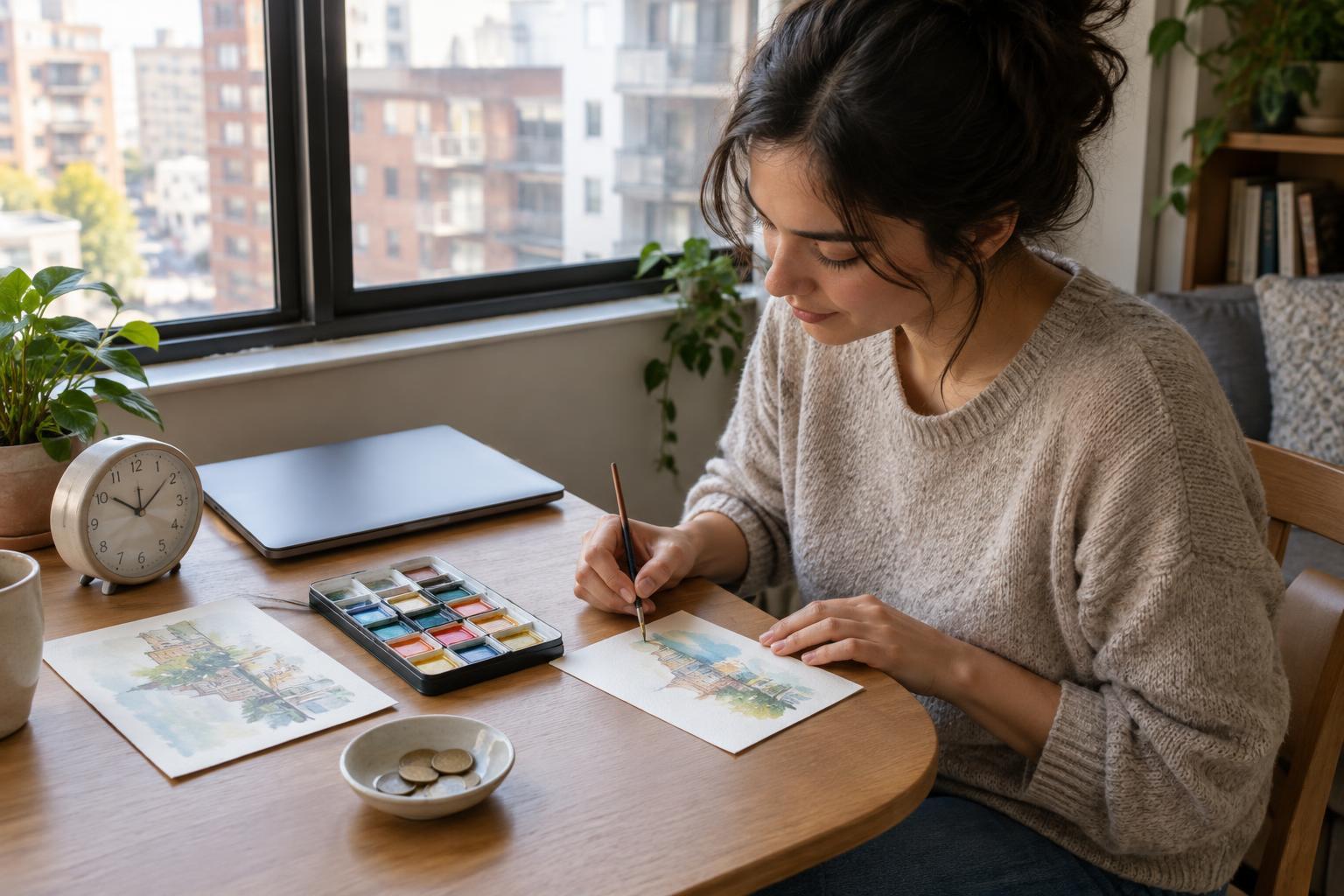
The price of a class or app is only part of the cost. Materials, equipment, transport, subscriptions, and storage can add up. Write down what you would need to begin, what you might need later, and which purchases are optional. In a compact home, also consider where the supplies will go and whether you can practice without disturbing others.
Try to separate learning from shopping. You may be able to borrow a book, use equipment you already own, attend an introductory session, or start with a basic kit. Avoid buying for an imagined future level before you know whether you enjoy the practice itself. If lessons are important to you, a short block of instruction may be easier to evaluate than an open-ended commitment.
Compare options with a small trial
When several skills appeal to you, choose two or three and give each the same simple test. Ask: Can I begin this week? Can I afford the first month without strain? Is there a place to practice? Will I enjoy the ordinary work, not just the finished result? A pottery bowl may appeal to you, for example, while the travel and scheduled studio time do not. That is useful information, not a failure.
Give your leading choice a modest trial with a clear finish line, such as four practice sessions or one beginner project. Make the task small enough to complete even if your first attempts are awkward. Notice what happens between sessions: do you find yourself curious to try again, or do you mainly feel relief when it is over? Progress matters, but your willingness to return matters too.
Make room to change your mind
At the end of the trial, decide whether to continue, adjust, or stop. If you liked the subject but not the format, try a different approach before ruling it out. You might prefer learning with a friend instead of alone, or practicing at home instead of traveling to a class. If the skill no longer fits your goals, you can leave it without treating the time as wasted.
For a skill you want to keep, choose one next step rather than designing an ambitious new routine. Put a practice slot on your calendar, pick a slightly harder project, or identify one question to explore. A skill that fits your real time and resources gives you room to be a beginner—and a better chance to enjoy becoming more capable.