Start with the result you want
Choosing a learning format is easier when you name a specific outcome. “Learn photography” could mean understanding camera settings, taking better pictures on walks, or building a portfolio. Those goals call for different kinds of help. Write down one thing you want to be able to do, a small project that would demonstrate it, and the time you can realistically give it each week.
Next, ask what is likely to slow you down. If you need someone to correct your technique or answer questions as they arise, a class may be worth arranging your schedule around. If you need a clear explanation you can revisit, a book may serve you better. If you mainly need to see a process performed, a video tutorial offers a quick starting point. You do not have to choose one format forever; choose one that helps with your next step.
Choose a class when feedback matters
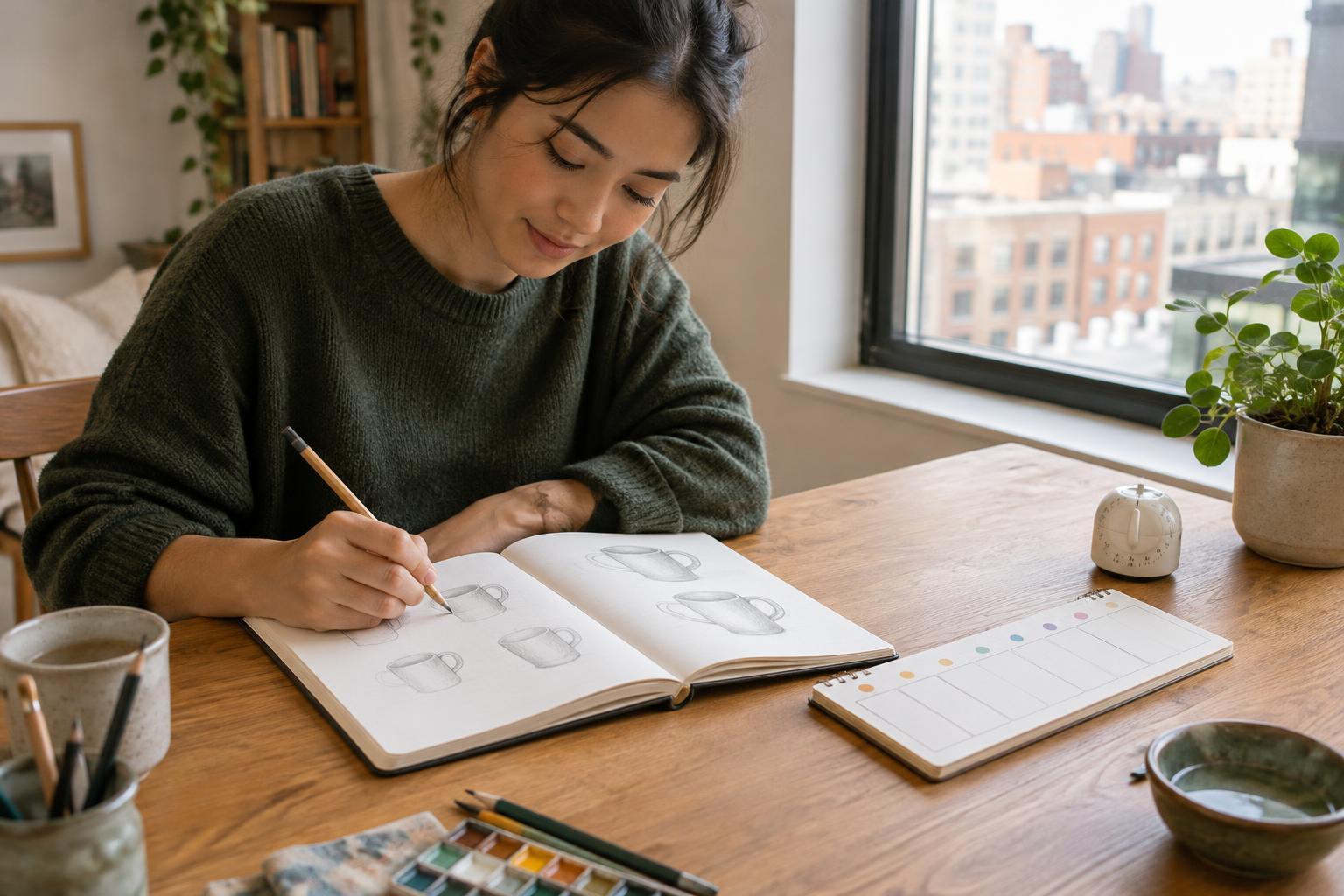
A class gives learning a place on your calendar. That structure can help when free time tends to disappear into errands and other commitments. It can also provide access to an instructor, shared equipment, or other learners. For activities such as drawing, conversation practice, or hands-on crafts, being able to try something and get a response can reveal mistakes you might not notice alone.
The trade-off is flexibility. A fixed meeting time, travel, and the pace of a group may not suit an unpredictable week. Before enrolling, check what the class expects you to know, what you will actually make or practice, and whether there is time for individual questions. A beginner class should give you room to begin, not leave you scrambling to keep up. If your goal is narrow, a single workshop may be a better test than a long course.
Use books to build understanding at your own pace
Books work well when you want a connected explanation rather than answers to isolated questions. You can pause, reread a difficult passage, and move between chapters as your project develops. A book is also easy to fit into small pockets of time: read a few pages on a commute, then try one idea when you get home.
Reading alone can feel productive without changing what you can do. Pair it with an action. After a chapter about writing dialogue, draft a short exchange; after reading about plant care, inspect the light in your room before choosing where a plant might go. When selecting a book, look for a level that matches your starting point and examples relevant to your goal. If the opening pages rely on terms you do not know, find a more approachable entry point rather than forcing your way through.
Use videos when seeing the steps helps
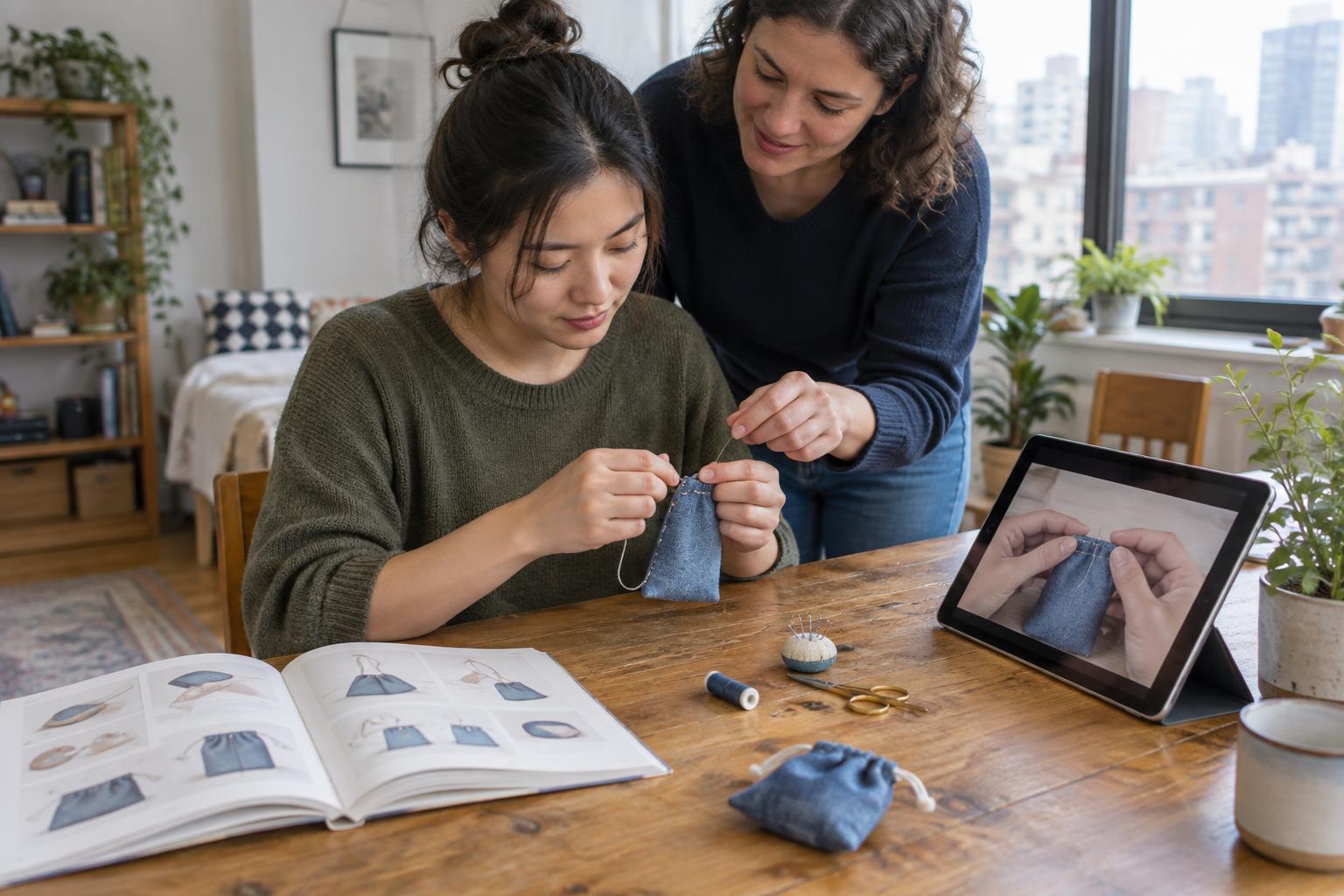
Video tutorials can make a physical or visual task easier to follow. Watching someone fold fabric, navigate a software menu, or hold a tool may answer a question that would take several paragraphs to describe. They are especially useful when you want to try one small task today, with a way to pause and replay a tricky step.
The challenge is turning watching into practice. Pick a tutorial that matches the tools you have and promises a specific outcome. Watch enough to gather what you need, then work alongside it or attempt the steps without it. If you get stuck, return to the relevant part instead of automatically starting another video. A collection of saved tutorials is not a practice plan; one completed attempt will teach you more about what you need next.
Run a small trial before committing
If you are unsure, give each option a job. You might use a short video to see how a technique works, a book to understand why it works, and a class when you are ready for feedback. You might also discover that only one of those is necessary. Keep the trial tied to a modest project, such as taking five photos using one new setting or preparing one simple dish with an unfamiliar method.
Set aside a realistic practice window and notice what happens. Did the format help you start? Could you recover when you got confused? Do you know what to try next? These questions are more useful than asking which format is best in general. The right choice is the one that helps you make progress within the time and space you actually have.