Start with the problem, not the product
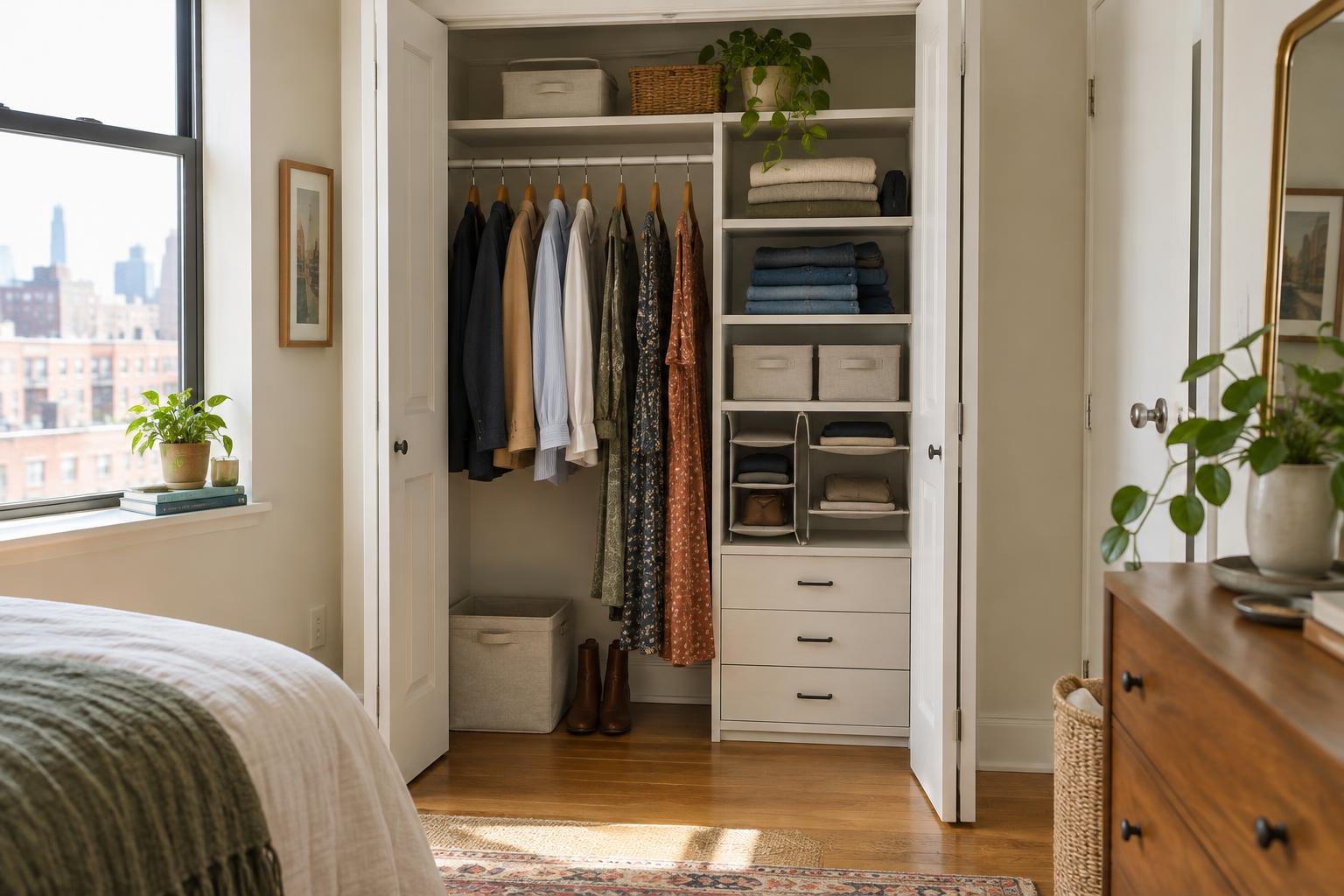
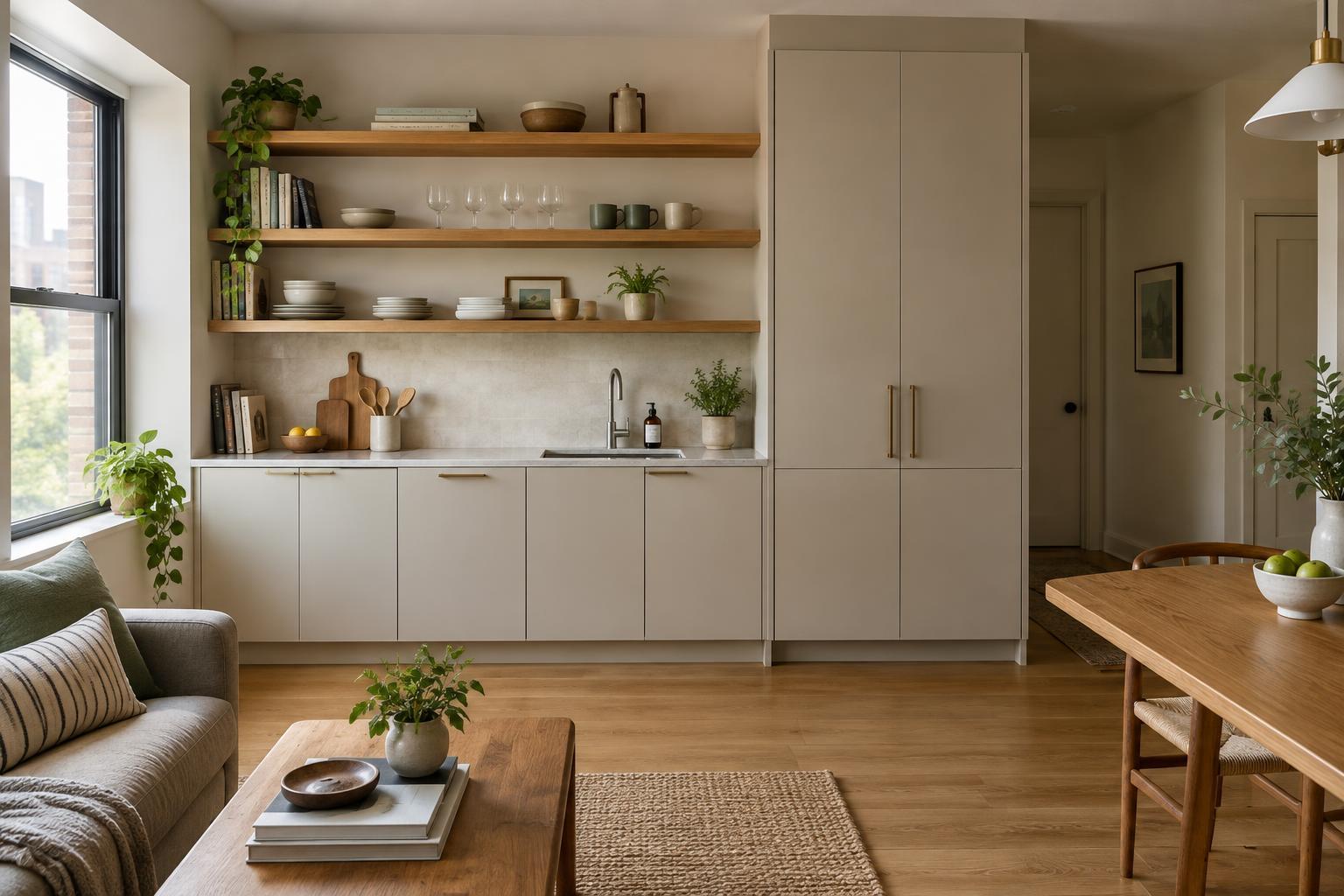
A tidy display of matching containers can make it tempting to buy first and sort later. But an organizer only helps when it solves a problem you can describe. Is a drawer hard to search? Do shoes block the doorway? Are supplies scattered because there is no convenient place to put them back? Naming the difficulty gives you a better test for any purchase than appearance alone.
Choose one small area to assess, such as a desk drawer, entryway shelf or bathroom cabinet. Notice what happens there over a few ordinary days. Items that regularly land beside their assigned spot may need easier access, not a larger bin. Things buried at the back may be stored too far from where you use them. Treat these observations as clues before deciding what kind of organizer, if any, you need.
Sort and count what needs a home
Empty the area enough to see what it contains, then group like items together. Separate things used often from backups and occasional supplies. Set aside items that belong elsewhere, along with anything you no longer want to keep. This step matters because measuring a crowded shelf before sorting can lead you to buy storage for belongings that will not stay there.
Make a rough inventory of what remains. You do not need a detailed spreadsheet: notes such as “six small bottles,” “one stack of paper” or “chargers with long cords” may be enough. Pay attention to shape as well as quantity. A shallow tray might suit small items you need to see at a glance, while a tall basket could hide them. Flexible items and rigid objects also need different amounts of room.
Measure the space you can actually use
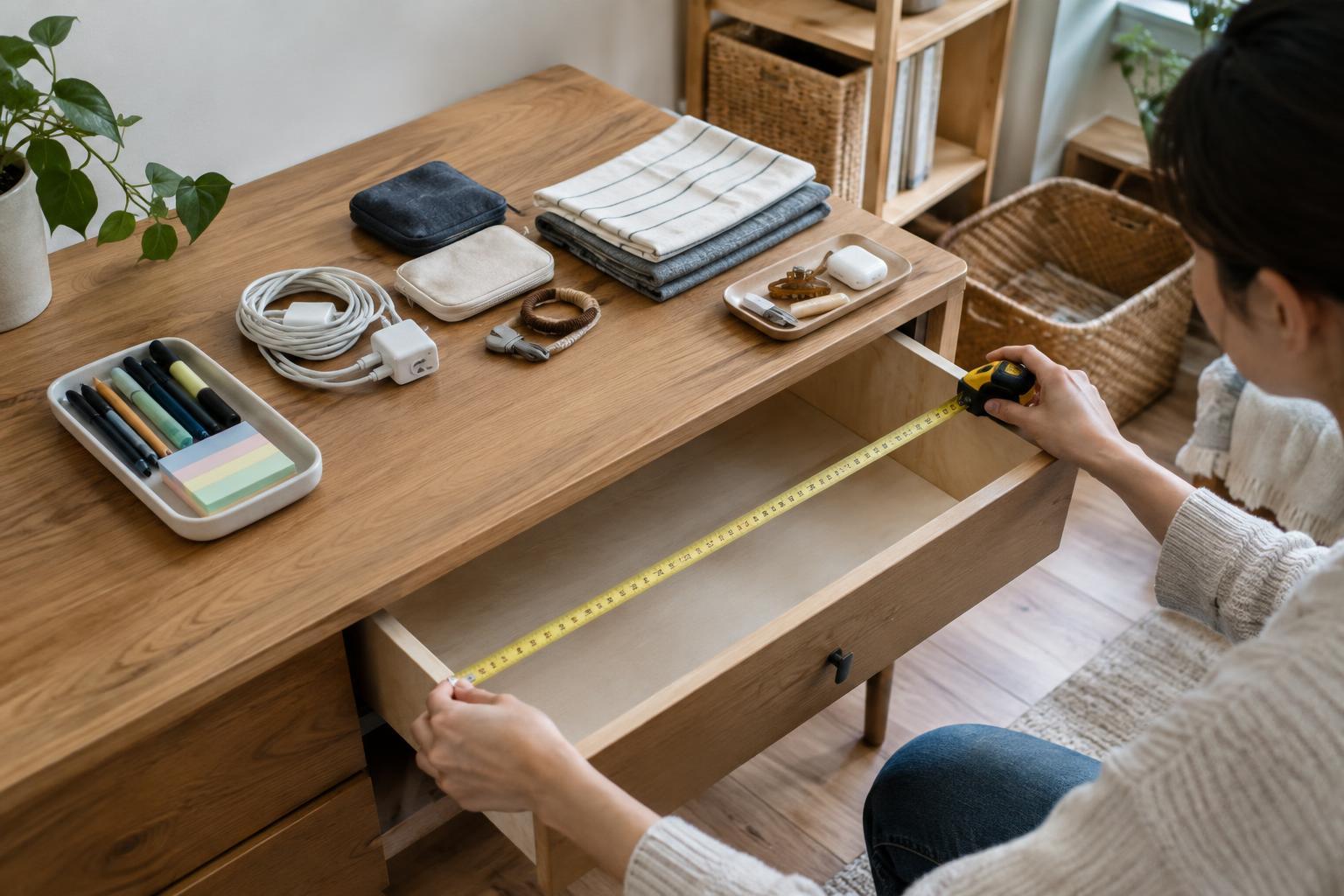
Measure the inside width, depth and height of a drawer or shelf, rather than relying on its outside dimensions. Check for hinges, pipes, shelf supports and other features that reduce usable space. In a cabinet, note how far the door opens and whether you can comfortably reach the back. A container that technically fits but is awkward to remove may make daily storage harder.
Leave some clearance for lifting bins, opening lids and taking items out. Think about weight, too: a deep box full of supplies can be cumbersome on a high shelf even if its dimensions are perfect. If you are considering a divided drawer, sketch the drawer and the groups of items going inside it. A simple drawing can reveal whether you need several compartments or just one open space.
Match storage to your routine
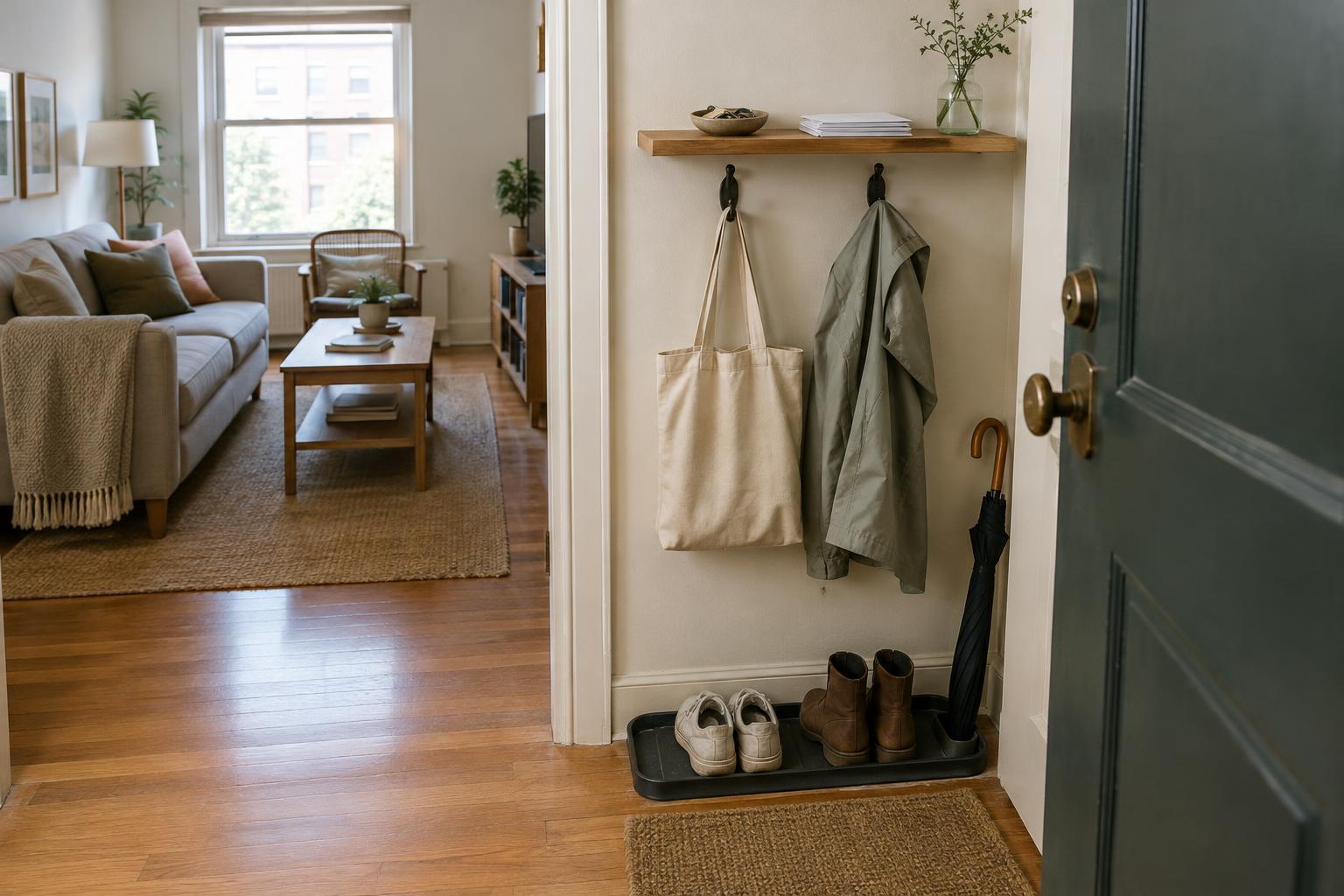
Placement often matters more than capacity. Keep frequently used belongings within easy reach and reserve less convenient spots for things you use rarely. If you tend to drop keys and mail when you come home, a small landing place near the door may work better than a larger system across the room. For shared spaces, consider whether everyone who uses an item can find it and put it away.
Choose the least complicated setup that supports the habit you already have. Open trays can make everyday items easy to return; closed boxes may be better for supplies that gather dust or create visual clutter. Labels can help when several containers look alike, but they cannot fix an inconvenient location. Before purchasing anything, try grouping items with containers you already own to see whether the arrangement feels natural.
Buy for the gap that remains
After sorting, measuring and testing, write down the specific gap you still need to fill: for example, a washable tray for small bottles or a basket that can be lifted from a low shelf. Take your measurements and inventory with you when you shop. Check internal dimensions where available, since thick walls and handles can reduce a container’s usable capacity. If possible, buy for one area first rather than committing to a whole set.
Give the new arrangement some time before adding more pieces. If items still collect outside the organizer, ask whether its location, size or ease of use is the problem. You may only need to move it or remove a divider. The goal is not to fill every inch of available space. It is to make the belongings you keep easier to find, use and put away.