Make the practice small enough to keep
A poetry practice can begin with five minutes and a few lines. You do not need to finish a poem each day, understand formal verse or wait for an interesting experience. The point is to give your attention somewhere to go: toward a sound, an image, a question or a phrase you might otherwise forget.
Choose a moment that already has a natural boundary, such as the end of a commute, the first minutes after lunch or the pause before turning out the light. Set a timer if that helps you begin. When time is up, stop even if the piece feels unfinished. A short session that fits your life is more useful than an ambitious plan you keep postponing.
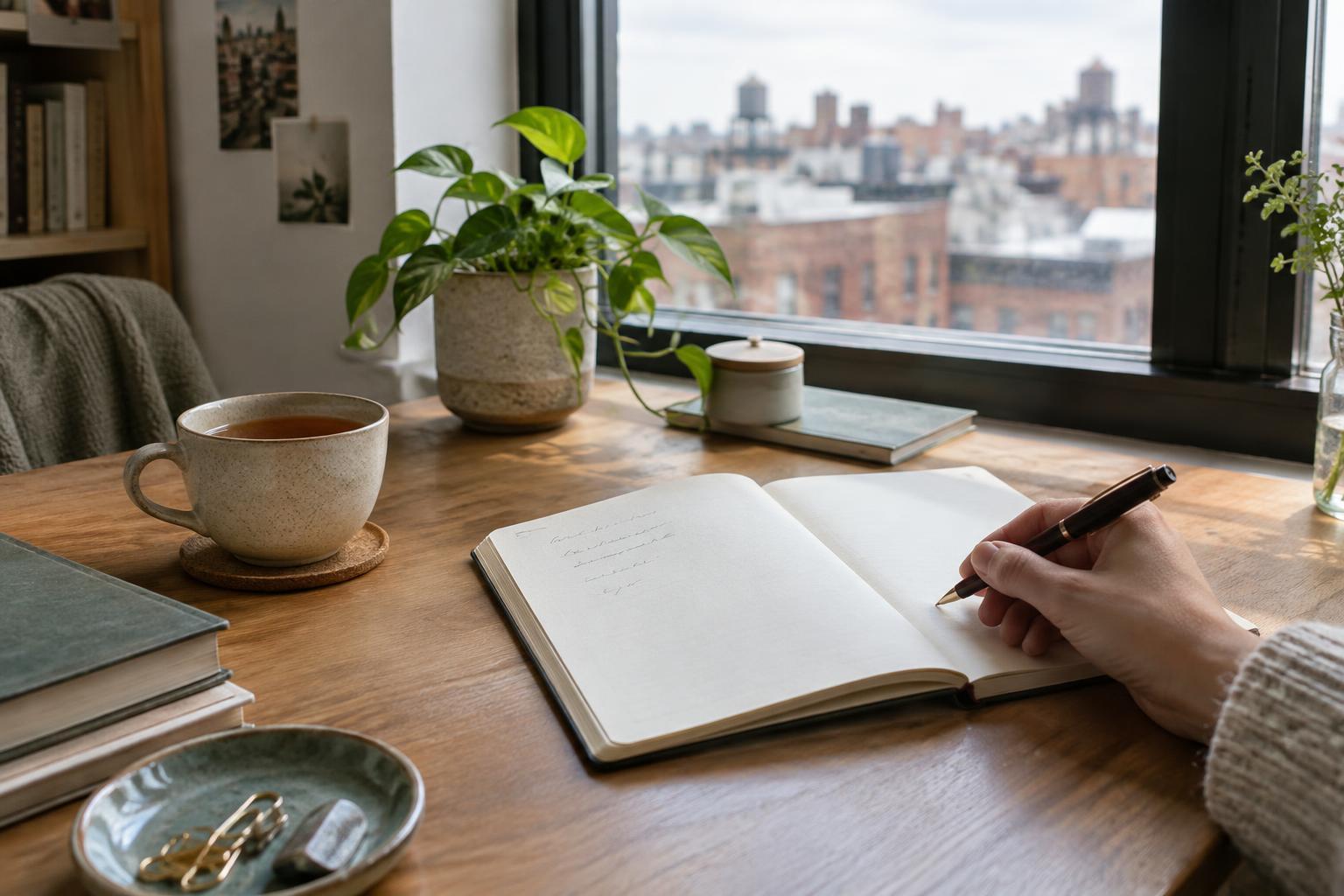
Decide what counts as showing up. It might be three lines, a list of words or one sentence broken wherever you hear a pause. On a crowded day, writing down a single detail can be enough. This leaves room for the practice to continue without making every entry a test of creativity.
Keep a place for passing details
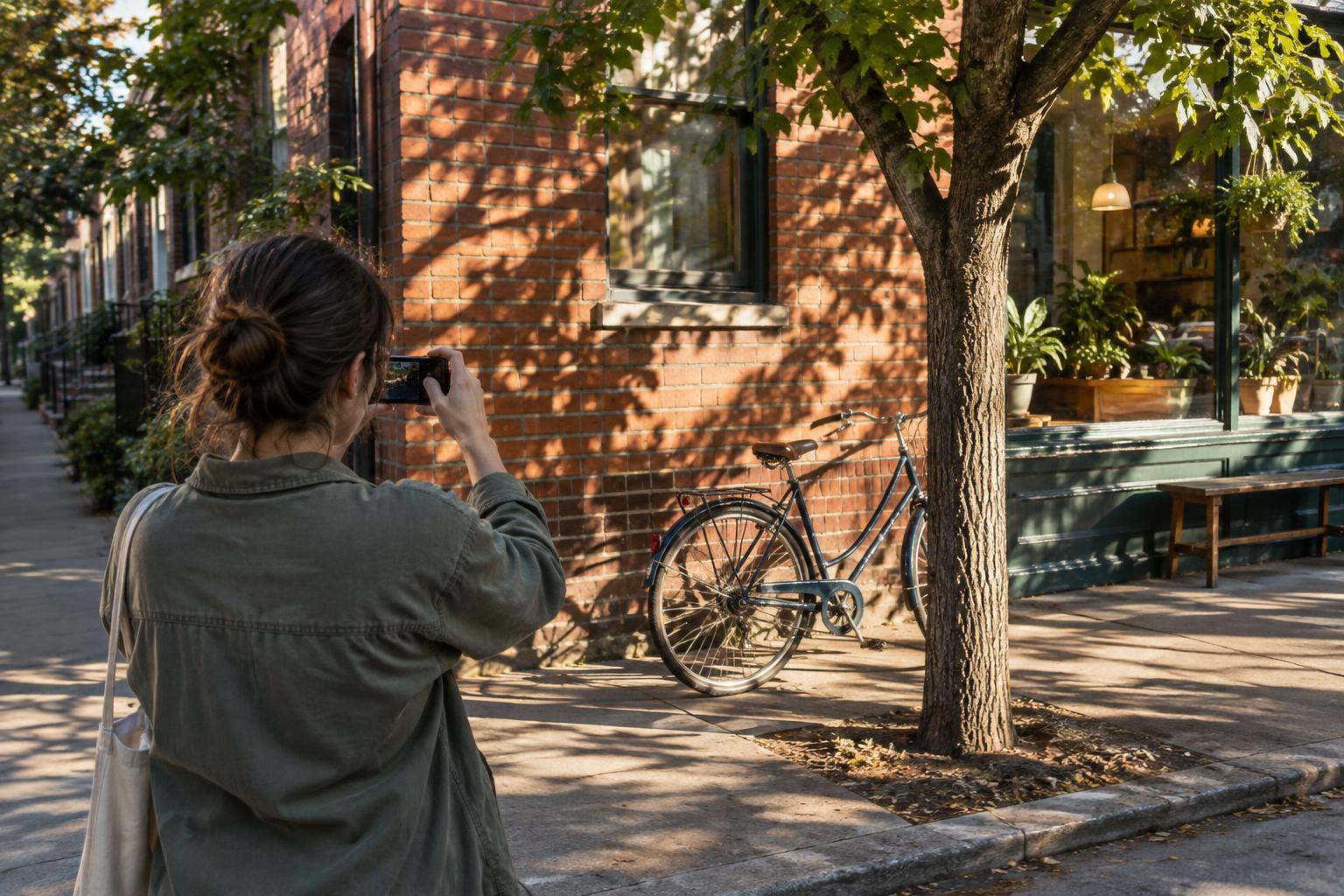
Poems often start with something specific: the rhythm of shoes on stairs, a plant leaning toward a window or the smell of rain on a warm sidewalk. Keep one easy place for these observations, whether that is a pocket notebook, a note on your phone or a scrap of paper near your desk. Use the tool you are most likely to reach for, not the one that looks most like a writer’s tool.
When you notice something, record it without trying to explain what it means. “Blue light under the neighbor’s door” gives you more to work with later than “I felt lonely.” You can write the feeling too, but a concrete detail helps bring a reader into the moment. If you are out in the city, focus on what you can observe respectfully without turning strangers’ private lives into material.
Do not worry about sorting every note. You only need to be able to find a few details when you sit down. If your page is blank, look around the room and name what is actually there. Ordinary objects become more interesting when you give them sustained attention.
Use prompts that leave room for surprise
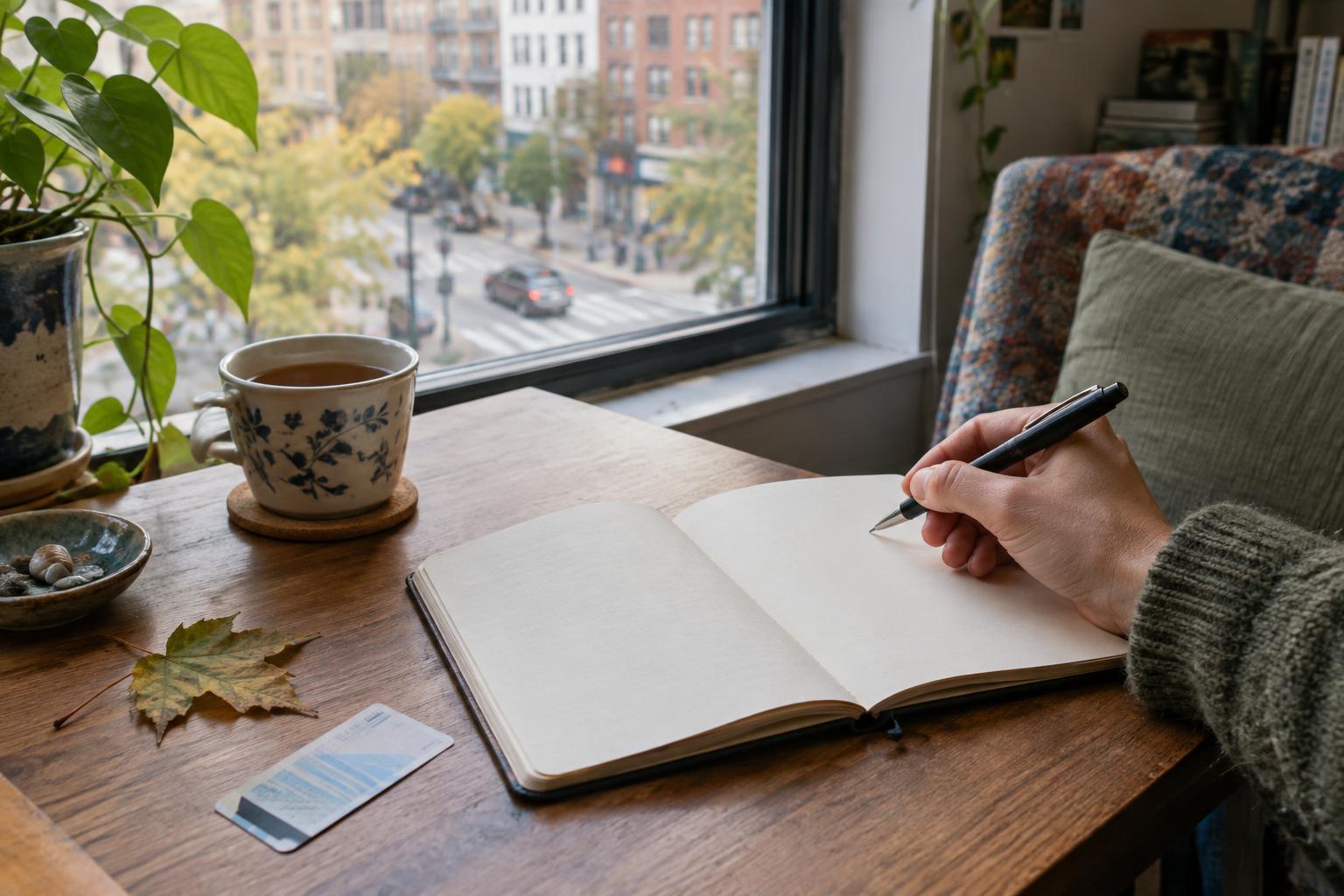
A prompt should get you started, not decide what the poem must become. Try describing an object without naming it for the first few lines. Write about a familiar route using only sounds. Start with “Today I noticed” and cut that opening later if it no longer belongs. Or put two unlike things beside each other, such as a grocery receipt and the evening sky, and see what connection appears.
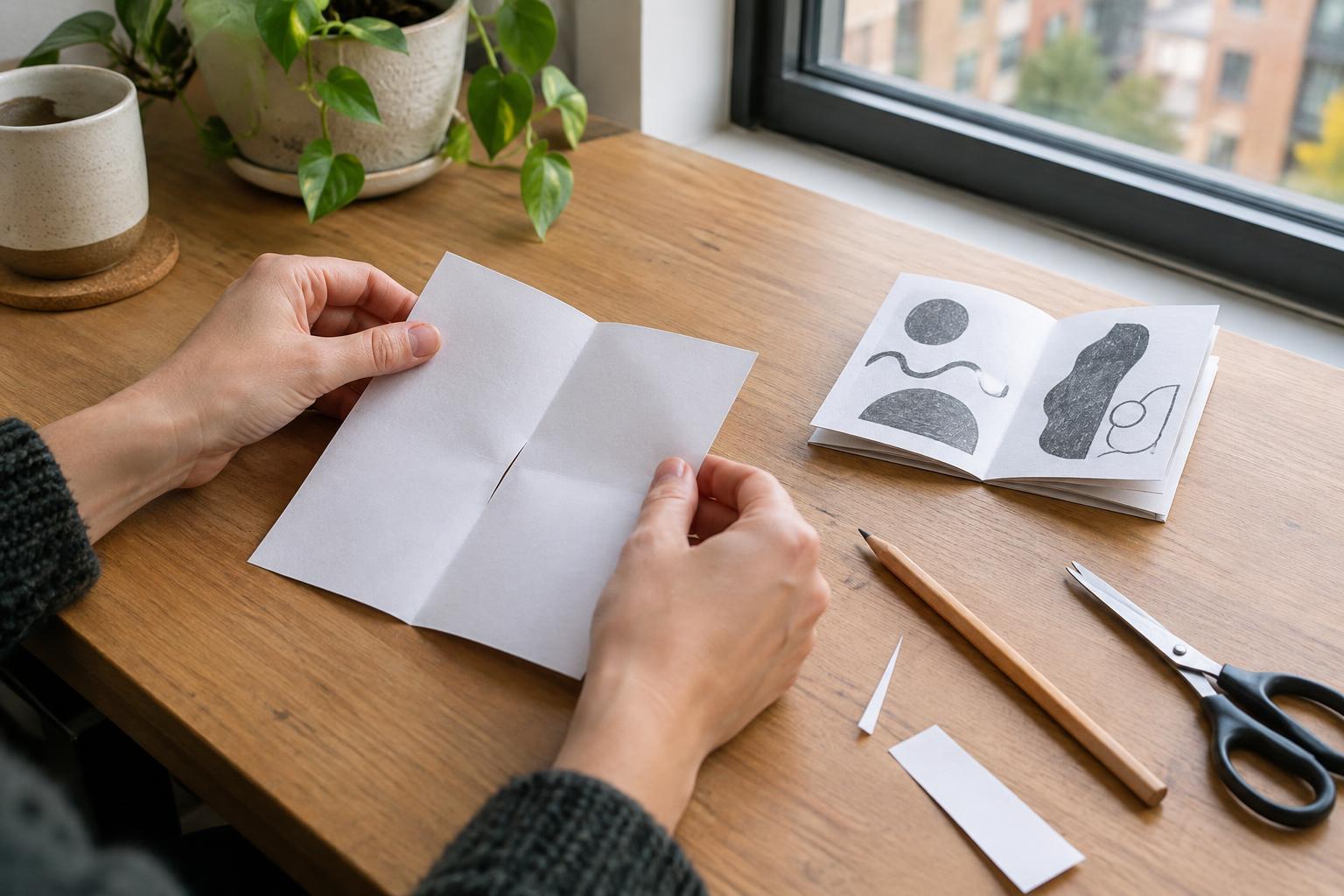
If you prefer a little structure, give yourself a simple limit. Write four lines, begin each line with the same word or make a list of five images from one day. Limits reduce the number of decisions you face at the start. They are temporary supports, not rules you must follow once the writing takes a more interesting direction.
When a prompt produces nothing, change it rather than forcing an answer. Copy one phrase from your own notes and ask what came before or after that moment. You can also write a question you cannot answer. A useful session may leave you with a beginning instead of a complete poem.
Draft first, then listen
During the first pass, let awkward lines stay on the page. Replacing every word as soon as you write it can make a short session feel cramped. Follow the image or thought for a few lines before deciding whether it works. If you get stuck, write what you are trying to say in plain language and return to the poem from there.
Later, read the draft aloud quietly or in your head. Notice where you naturally pause and where a word seems too vague. You might replace “nice” with a detail you can see, hear or touch, or remove a line that explains what the surrounding images already suggest. Line breaks can change how a sentence moves, but you do not need to make every line mysterious.
Keep the first version if you like. Comparing it with a later draft can show you what your edits gained and what they lost. Some entries will remain sketches, and that is fine. A daily practice creates material to explore; it does not obligate you to polish everything.
Let the habit stay flexible
At the end of a week or whenever your notes begin to pile up, read through them without grading yourself. Mark a phrase you still like, a detail you want to return to or a draft that might grow with more time. This light review gives the daily work a second life while keeping revision separate from the pressure to produce something new.
You can keep every poem private, share an occasional piece with a trusted person or simply use the practice as a way to pay attention. If you miss a day, begin again at the next convenient moment; there is no backlog to clear. The value of a short poetry practice lies in having a welcoming place to put your observations, even when all you have time for is one line.