Start with the kind of evening you want
A good craft night is less about what everyone takes home and more about having an easy reason to spend time together. Before choosing a project, decide what the gathering should feel like. If your friends mainly want to catch up, pick something they can set down mid-conversation. If they would enjoy learning a technique, leave time to demonstrate it without expecting anyone to master it.
Keep the invitation clear and casual. Name the activity, the approximate start and end time, and whether guests need to bring anything. You might say that all supplies are provided, or invite people to bring a half-finished project if they prefer. Letting guests know that beginners are welcome and finished pieces are optional takes away some of the pressure to perform.
Choose a project with an easy entry point
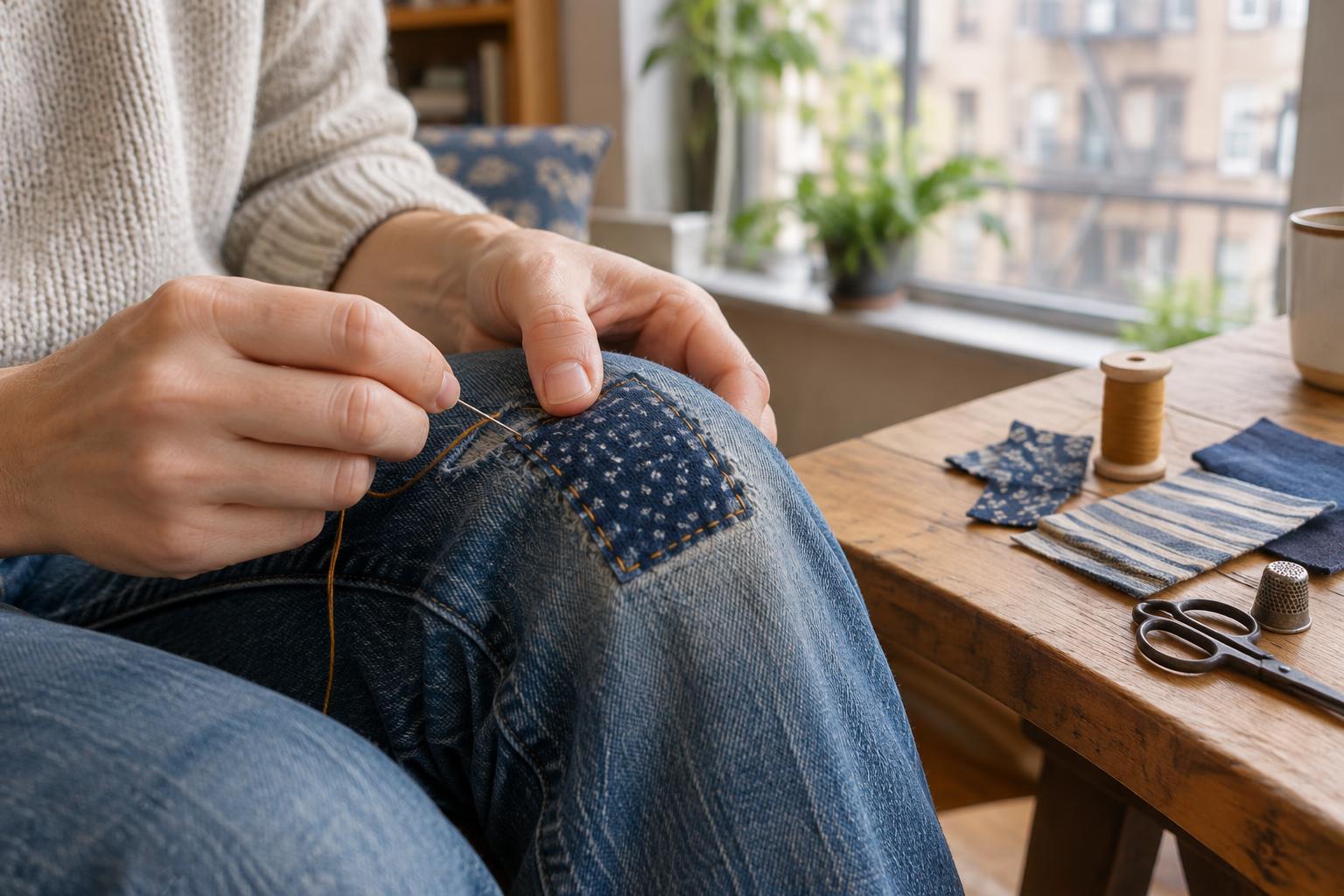
The most flexible projects need little setup, work at different speeds and allow for different results. Collage cards, decorated bookmarks, simple embroidery on scrap fabric and air-dry clay shapes can all give guests room to experiment. Pick one main activity rather than offering a table full of unfamiliar choices. A few variations, such as different colors or templates, are usually enough.
Test the project yourself before inviting everyone over. You do not need to make a polished example, but a short trial will reveal whether the materials are awkward, the instructions are confusing or the pieces need longer to dry than expected. If a project involves sharp tools, strong adhesives or messy finishes, consider a simpler alternative. Guests should be able to focus on making something, not on managing avoidable hazards or worrying about your furniture.
Make a small space work
You do not need a dedicated craft room. A dining table, coffee table or clear stretch of kitchen counter can work if each person has enough room for their hands and a few supplies. Put shared items in shallow trays or small containers so people can reach them without passing a crowded box around. Protect the surface with reusable mats, old paper or a washable cloth suited to the materials you chose.
Think about movement as well as seating. Leave a path to drinks, the bathroom and the door, and keep bags somewhere they will not crowd the work area. If table space is tight, prepare materials in advance: cut paper to size, sort thread into small bundles or portion clay into individual pieces. Good lighting helps guests see what they are doing, while a separate spot for finished work prevents wet or delicate pieces from getting bumped.
Provide enough structure, then step back
A brief welcome is usually enough to get everyone started. Show where the supplies are, explain any essential steps and point out where scraps should go. You can put one example on the table, but make it clear that it is only an example. Some people will follow it closely; others will change the idea entirely. Both approaches fit the evening.
As host, you can help the conversation along without turning the gathering into a class. Work on your own piece, offer help when someone asks and leave room for quiet concentration. A guest who would rather sort colors, watch for a while or continue a project from home is still taking part. Plan a loose stopping point instead of a deadline, especially if friends have different schedules or energy levels.
Keep refreshments and cleanup simple
Choose snacks that are easy to eat away from the craft surface, and give drinks a stable spot separate from paper, fabric or tools. There is no need to coordinate food with the project. Water, a warm drink and one or two uncomplicated snacks can be plenty. If the activity leaves materials on people’s hands, make it easy to wash up before eating.
Set out a bin for scraps and a container for reusable leftovers before guests arrive. Near the end of the evening, invite everyone to take their work home or leave it in a designated place to dry. A few minutes of shared tidying can return a compact room to normal without making cleanup the main event. If something remains unfinished, that is fine: the point was to make space for time together, not to complete an assignment.