Plan around the connection
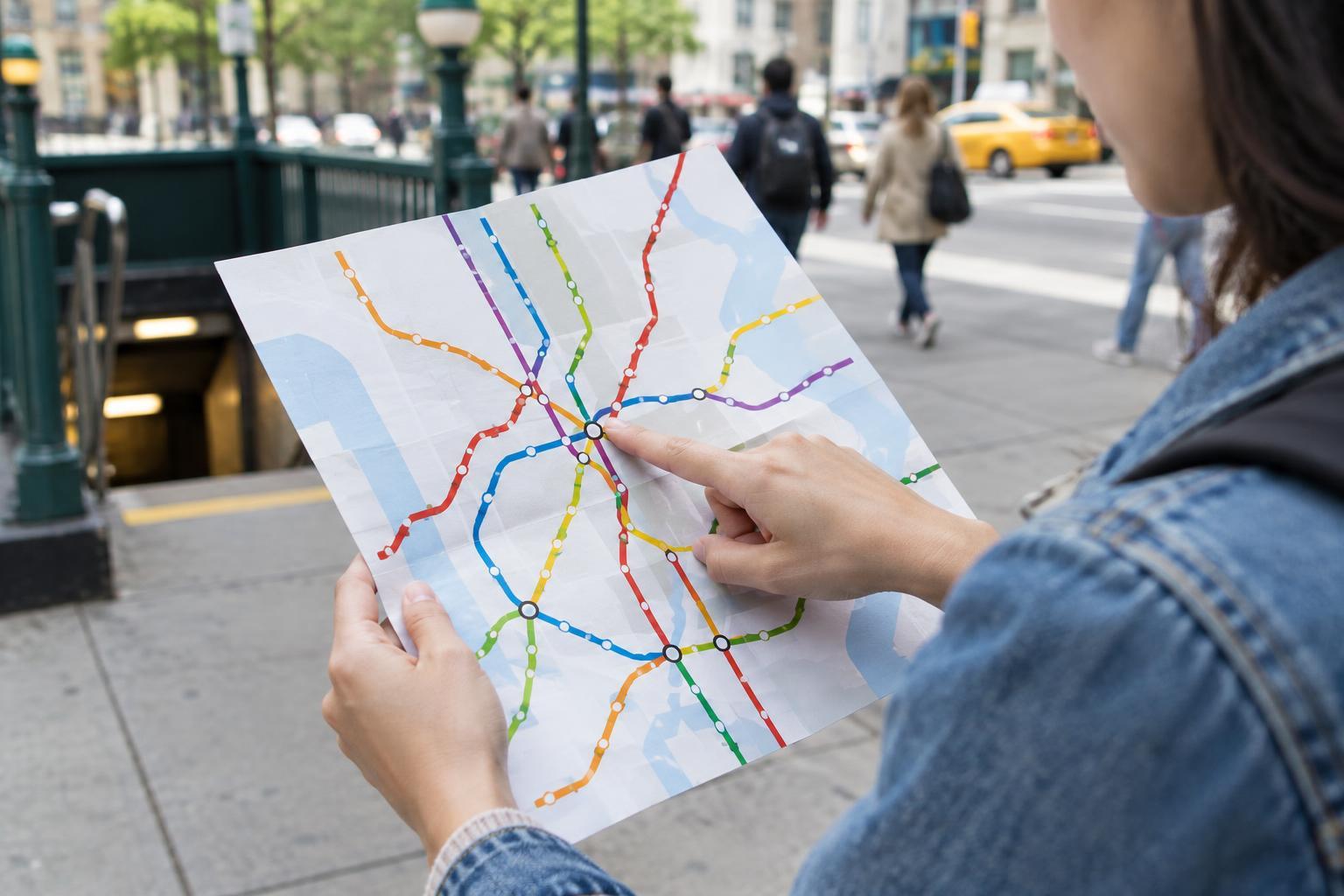
A route that looks quick on a map may be less convenient once a transfer is involved. The important question is not only when the first bus or train arrives, but whether you can comfortably reach the next one. When comparing routes, look at where you get off, where you board again, and how much walking or waiting separates the two. A connection across a large station or busy street deserves more time than one made at the same stop.
Start with the time you need to arrive, then work backward. Identify a service that would get you there comfortably and the connection required to catch it. For a commute you will repeat, note the departure that works on an ordinary day and an earlier one you could take when being late would be especially disruptive. This gives you a usable choice rather than a single plan that depends on every leg running perfectly.
Give each transfer a realistic buffer
The listed gap between services is not necessarily time you can spend walking. You may need to leave a vehicle, find the right exit, cross a road, reach another platform, or wait for a lift. Think through those steps as if you were making the trip with your usual bag and at your usual pace. If a connection only works when you move quickly and nothing holds you up, treat it as a risky connection rather than your default.
Buffers are especially useful when the next service is infrequent. Missing a frequent connection may add a modest wait; missing one that runs less often can change your arrival time substantially. You do not need to add the same amount of spare time everywhere. Put it where a small delay would have the biggest effect, and check whether a slightly longer route with an easier transfer would be more dependable overall.
Choose a backup before you need it
A backup route does not have to be equally fast. It needs to be understandable and available when your preferred connection fails. Look for an alternative that uses a different transfer point, a different line, or a walk to another nearby stop. If there is no useful alternative, identify a sensible place to wait and a point at which you would let someone know your arrival time has changed.
Set a simple decision rule for yourself: if the first leg is delayed past the connection you intended to make, check the next departure before deciding whether to rush. Keep the essential details of your backup somewhere easy to reach, such as a saved trip or a short note. That way, a missed connection becomes a choice between known options instead of a hurried search on a crowded platform.
Make the routine easy to repeat
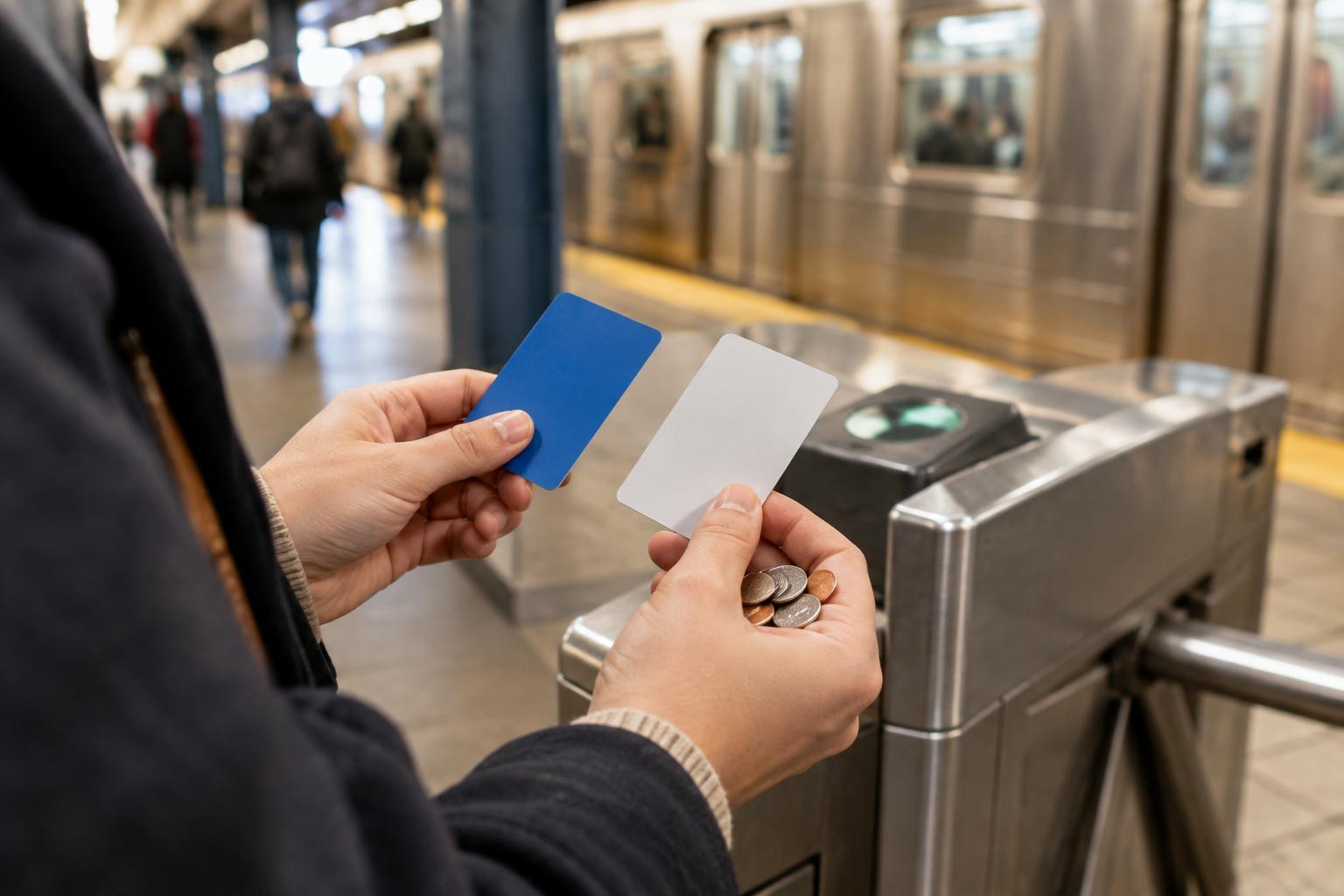
Before leaving, check the information available for your route, particularly for any leg with a long wait if missed. Conditions can change, so a quick check is more useful than relying entirely on the timetable you first consulted. Bring what you need to move through the trip smoothly: your fare method, charged phone if you use one for navigation, and any essentials you would want during an unexpected wait.
On a new route, pay attention to small details that reduce uncertainty next time. Which station entrance leads toward your connection? Is the stop on the opposite side of the street? Where can you stand while waiting without blocking others? Once you know these things, write down only the details you are likely to forget. A brief personal route note is often easier to use than repeating the entire planning process each morning.
Review what actually happens
After several trips, compare your plan with your experience. Notice which connection feels rushed, which wait is predictable, and whether your arrival buffer is useful or larger than you need. If you regularly miss the same transfer, adjust the departure or choose another route rather than treating each missed connection as a one-off problem.
Reliability does not mean eliminating every delay. It means knowing how much flexibility your commute needs and what you will do when one leg changes. A route with a comfortable transfer, a well-placed buffer, and a clear backup can make the trip easier to manage, even when it is not the shortest route on paper.