Start with the whole trip, not the map estimate
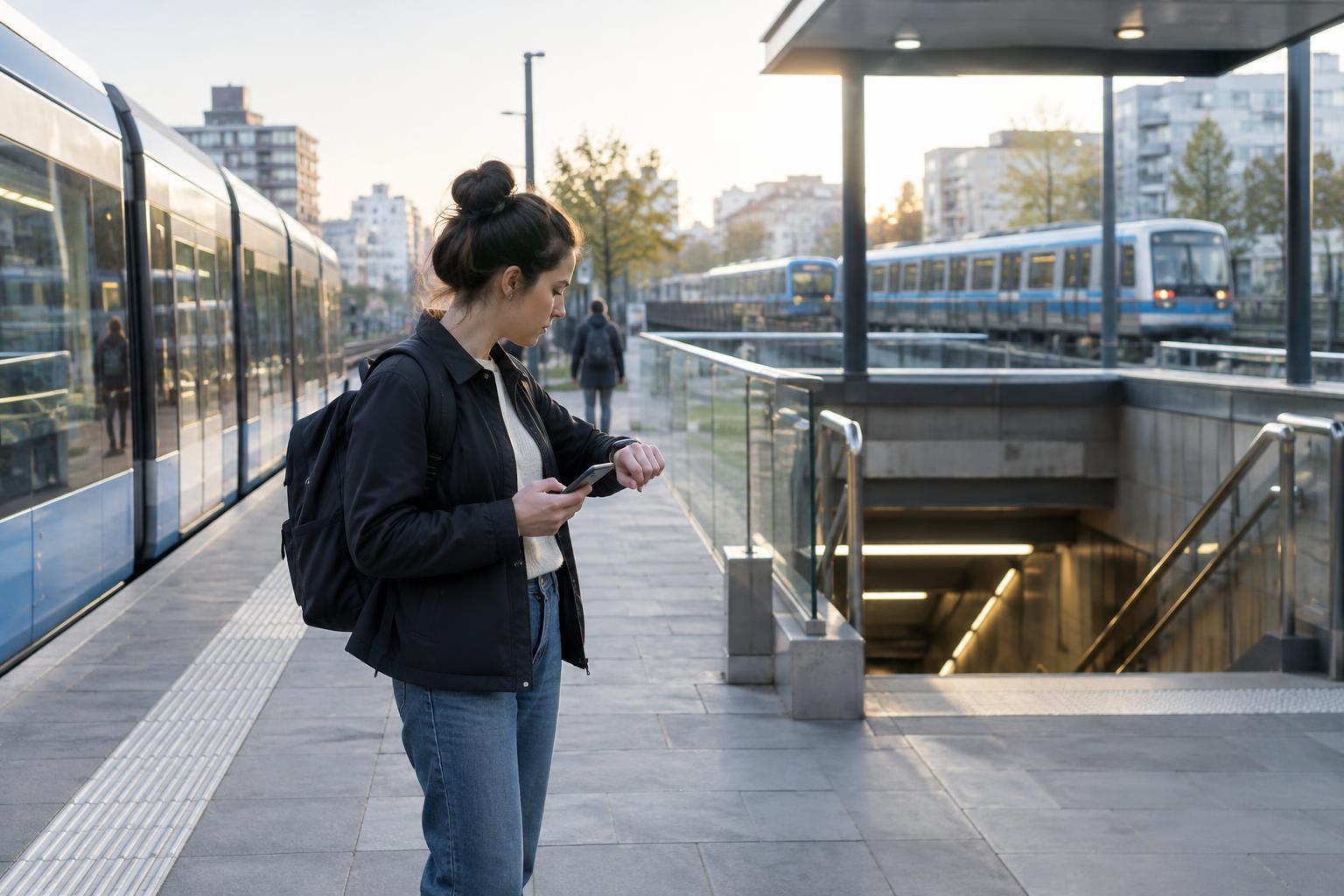
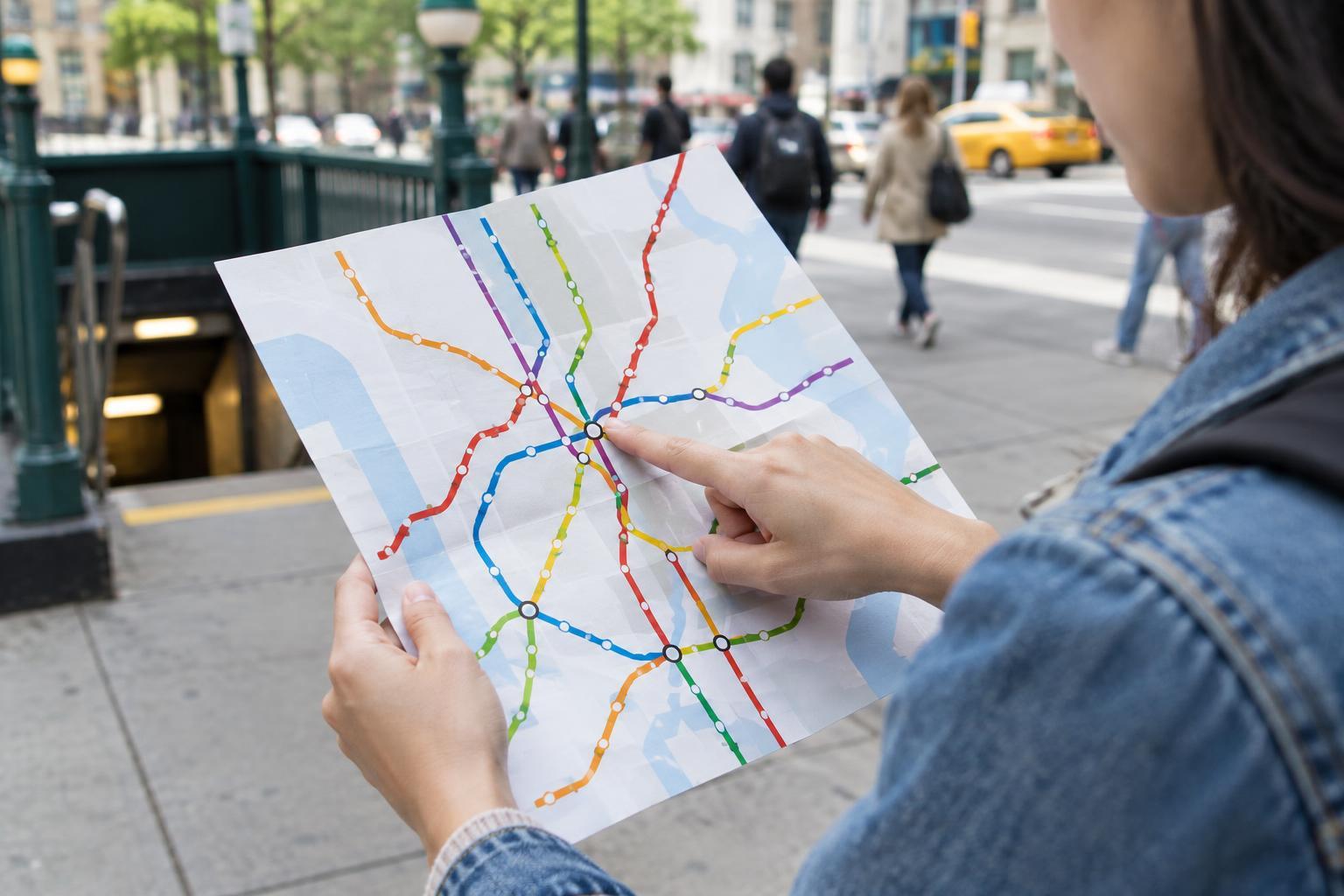
A route is more than the minutes spent moving. Walking begins when you leave the door, while a transit trip may include a walk to the stop, a wait, a transfer, and another walk at the end. Biking may require time to get a bike out, choose a comfortable street, and lock up. Compare routes from your actual starting point to the entrance you need, rather than from station to station or intersection to intersection.
Then ask what kind of arrival you need. A brisk walk might be welcome on the way to a casual meeting but less appealing before an event where you would rather not feel rushed. A route that takes a few extra minutes may be worthwhile if it lets you arrive calm, dry, or ready to carry things home. The best choice can change even when the destination stays the same.
Choose walking when simplicity matters
For a short trip, walking is often the easiest option to manage. There is no vehicle to find, fare to pay, or schedule to follow. It also makes it simple to stop for an errand or take a different street if one block feels crowded. If your day already involves sitting, the trip can double as a useful break.
Distance alone does not tell the whole story, though. Large intersections, steep hills, poor lighting, limited crossings, or an uncomfortable stretch can make a short walk feel long. Think about the route as well as the destination. If you are carrying a heavy bag or traveling with someone who needs a slower pace, allow more time or consider transit for part of the journey. Comfortable shoes and a hands-free way to carry essentials can make walking a much better choice.
Use transit for reach and a more predictable effort
Transit can make a longer trip manageable without asking you to bike across town or spend the whole journey on foot. It is especially useful when you want to conserve energy, avoid finding bike parking, or travel with a bag that is awkward on two wheels. A direct bus or train may also give you a chance to read, listen, or simply rest.
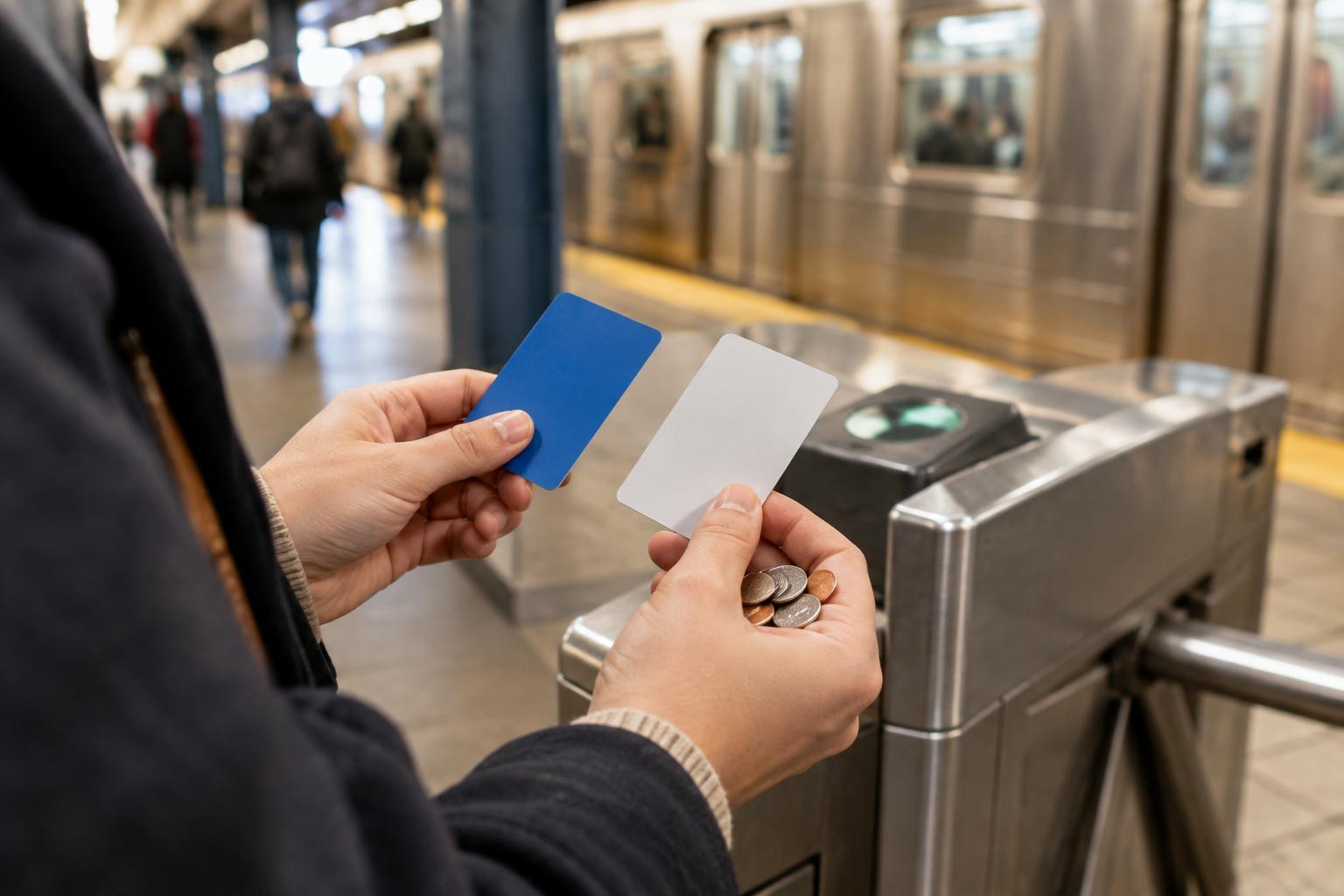
Check the parts of the journey that happen outside the vehicle. A route with frequent service and one easy connection may suit you better than one with a shorter ride but a long transfer. Consider the distance between stops, stairs or elevators you may need, and how much waiting is comfortable in the weather. If timing is important, build in a little margin rather than planning around a perfect connection. It also helps to know whether walking the final stretch would be simpler than making one more transfer.
Bike when the route feels comfortable, not just fast
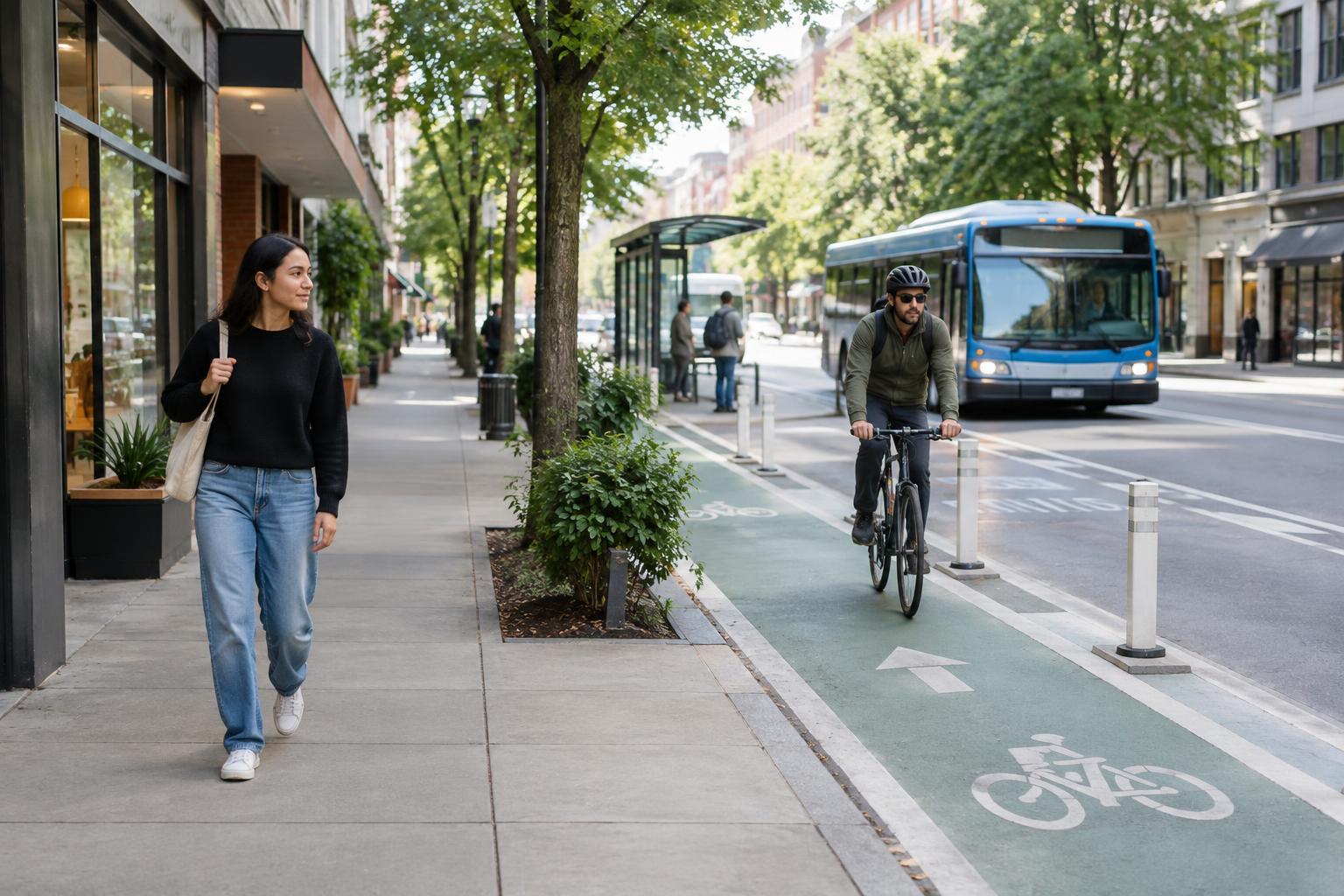
Biking can be a flexible middle ground for trips that feel long on foot but inconvenient by transit. You can leave on your own schedule and often take a fairly direct route. Yet the shortest cycling route is not necessarily the one you will want to ride. A quieter street or a route with a comfortable bike lane may be worth a small detour.
Before choosing a bike, think through both ends of the trip. Where will you park, and is there a suitable place to lock up? Will you need to carry purchases on the return? Are you comfortable riding in the expected light and weather? A secure lock, working lights when needed, and a bag or rack that keeps your hands free can remove common hassles. If any part of the ride feels beyond your comfort level, choosing another mode is a reasonable decision.
Make a quick decision and keep a backup
When several options look reasonable, compare them on four questions: How much door-to-door time can you spare? How much effort do you want to spend? What will you carry? How important is arriving at a particular time? On a pleasant day with no deadline, walking may win. For a longer trip before a tiring appointment, transit may be easier. If service involves an awkward detour and you have a comfortable riding route, biking may be the better fit.
You do not have to commit to one mode for every part of the day. You might walk to an appointment and take transit home with groceries, or bike to a destination and use a different option if the weather changes, where practical. Save a familiar alternate route for trips you make often. The aim is not to find one universally fastest way across the city; it is to choose a route that works for this trip, with its particular schedule, load, and energy level.