Turning every session into a finished product
It is satisfying to complete a drawing, repair a chair or finish a book. But if every hobby session has to produce something worth showing, a short break can start to feel like a deadline. This is especially easy to miss when free time is scarce: you may feel that an hour only counts if you have something to show for it.
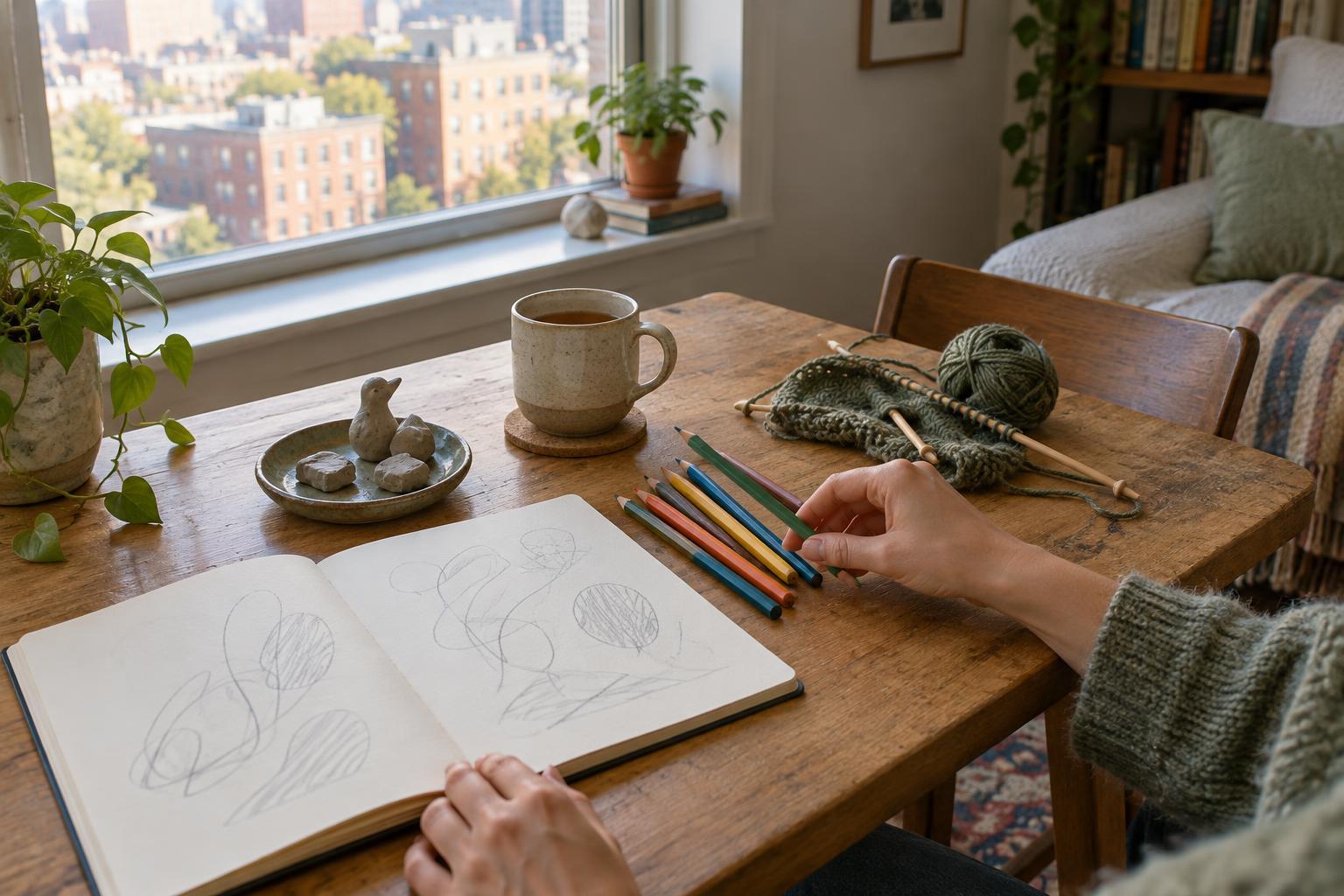
Give yourself a different definition of a successful session. Ten minutes spent trying a new stitch, listening closely to a song or sketching shapes can be enough. You can keep a project that has no intended audience and no planned finish date. The point is not to abandon goals; it is to leave room for the parts of a hobby that are enjoyable even when they lead nowhere.
Spending more time preparing than doing
Browsing supplies, comparing tutorials and designing the perfect setup can be fun. They can also become a barrier to starting. If every session begins with finding the right instructions or clearing a large workspace, the effort of getting ready may use up the time you set aside to unwind.
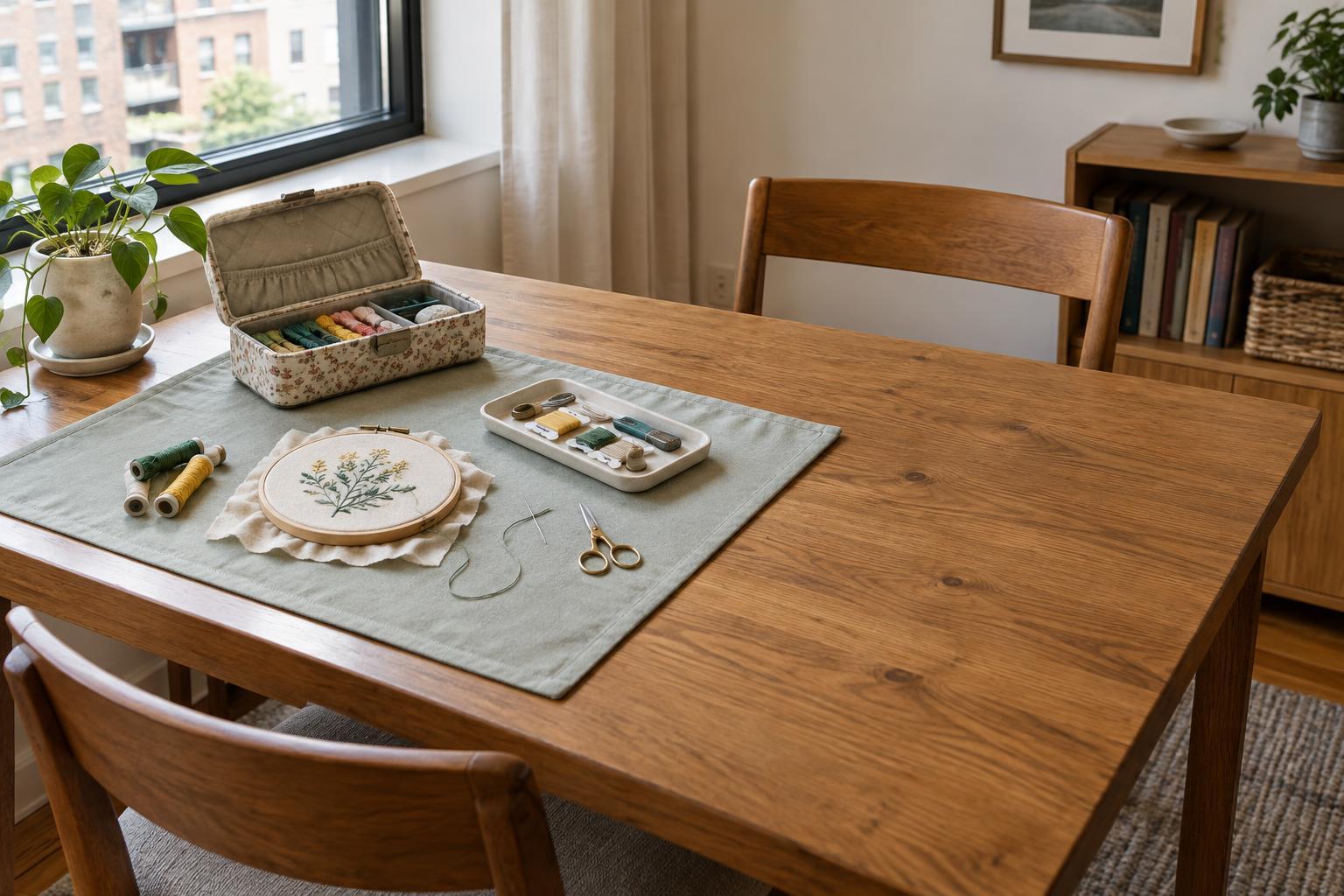
Try making the first step smaller. Keep a modest kit where you can reach it, bookmark one beginner-friendly guide or leave a project at a natural stopping point so it is easy to pick up again. In a compact home, a tray or pouch may work better than a permanent hobby station. Buy or organize around something you already enjoy doing, rather than around an elaborate version of the hobby you hope to have.
Measuring your progress against everyone else’s
Examples from skilled hobbyists can offer ideas, but they can also make ordinary practice look inadequate. You see their polished results, not every attempt that came before. When you begin judging your own evening by someone else’s finished work, curiosity can give way to self-criticism.
Notice what comparison does to your mood. If it inspires you, save an idea to try later. If it makes you reluctant to begin, spend less of your hobby time looking at other people’s results. You might also keep early attempts instead of discarding them. They can remind you that learning is part of the activity, not a delay before the enjoyable part starts.
Making the hobby available to everyone but yourself
Sharing a project can be rewarding. Trouble starts when you feel obliged to post each attempt, accept every request or turn a relaxing pastime into gifts on a schedule. Even pleasant expectations can change how a hobby feels when they take away your freedom to choose what to make next.
Decide which parts you want to keep private. You might share only finished pieces, decline requests or set aside certain sessions for experiments you will not photograph or give away. A simple boundary such as “I’m making this just for fun” can protect the low-pressure space that drew you to the hobby in the first place.
Expecting one activity to restore you every time
A hobby that feels calming on Saturday may feel demanding after a long weekday. That does not mean you have chosen the wrong activity. Some evenings you may want the focus of a puzzle or a recipe; on others, even choosing colors or following instructions may feel like too much.
Keep a few versions of downtime available at different effort levels. If you like drawing, you could alternate between working on a detailed piece and making quick, unplanned marks. If you enjoy cooking, you might save experiments for days with more energy and make a familiar dish when you want ease. Letting the activity fit the time you have is more useful than forcing every session to look the same.
When a hobby starts to feel like work, ask what expectation you can remove before deciding to quit. A smaller project, a simpler setup or a session with no outcome in mind may be enough to make it yours again.