Start with the time and energy you actually have
It is easy to choose a hobby for an imagined version of your life: one with a clear desk, long afternoons, and plenty of patience. A better starting point is an ordinary week. Think about when you would realistically reach for a hobby. Would it be a quiet ten minutes after work, an hour on a weekend, or a few pauses throughout the day? A hobby that fits those moments is more likely to feel like a break than another task.
Consider what kind of effort feels good when you are tired. Sketching from objects around you or making a short collage can be satisfying without much preparation. Learning an instrument or sewing a garment may appeal more if you enjoy sustained practice and problem-solving. Neither approach is better. The useful question is whether the activity gives you the kind of attention you want to use during your free time.
Match the hobby to the space you can spare
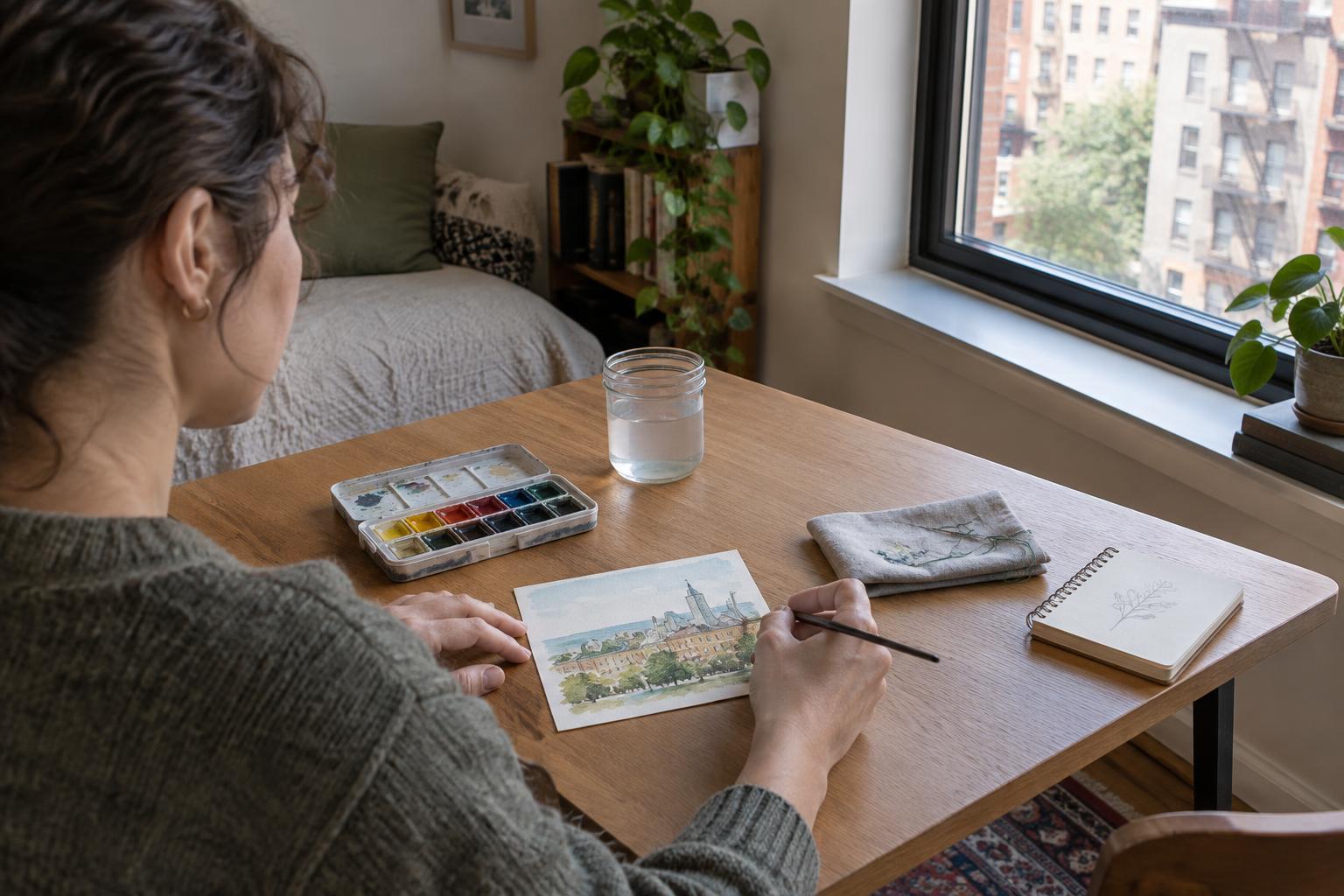
You do not need a dedicated studio, but you do need a workable place to begin and end a session. Look at both the space an activity uses and what it leaves behind. Drawing can happen at a small table and pack into a folder. Knitting needs little surface area but may call for a place to keep an unfinished project. Clay, paint, or model-making may need protection for a table, drying space, and a more involved cleanup.
A simple test is to picture the whole activity, not just the enjoyable middle. Where will the supplies live? Can you set them out without moving everything else? Can you stop halfway through and still use the room? If your home serves several purposes, consider a hobby kit that fits in one box or bag. Making setup and storage easy can be more valuable than finding the smallest possible hobby.
Set a comfortable starting budget
Before buying supplies, decide what you are willing to spend to find out whether you enjoy the activity. Include the less obvious costs: materials you use up, replacement parts, storage, classes, and the tools that may be needed to finish a project. A low-priced starter kit is not always economical if it contains items you will never use. Equally, a hobby that requires an initial purchase may still suit you if the supplies last and you expect to use them often.
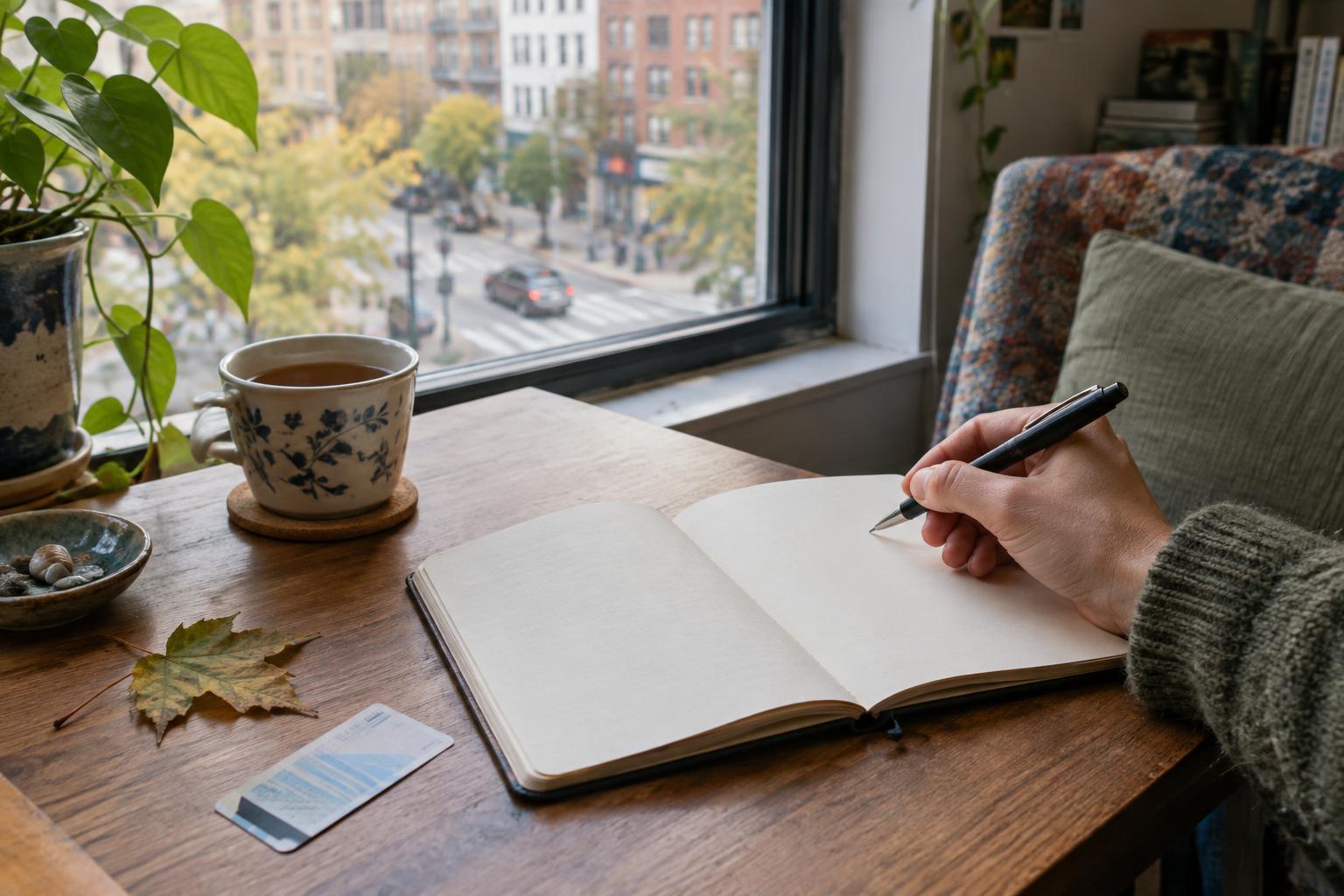
Try the smallest complete version of an activity first. Use a notebook you already own for writing or drawing, borrow a book of prompts, or make a collage from packaging and papers headed for recycling. If you need equipment, consider borrowing it or trying a single session before buying your own. Spend more only after you can name what would improve the experience. That keeps shopping from becoming the hobby by accident.
Choose an activity with the right kind of payoff
Creative hobbies offer different rewards. Some produce useful objects, such as mended clothes or handmade cards. Others are mainly about the process: playing with color, shaping words, or noticing details on a photo walk. Think about whether you want a finished result, a skill to develop, or a way to settle your mind. Your answer may change from week to week, so it is fine to keep more than one small option available.
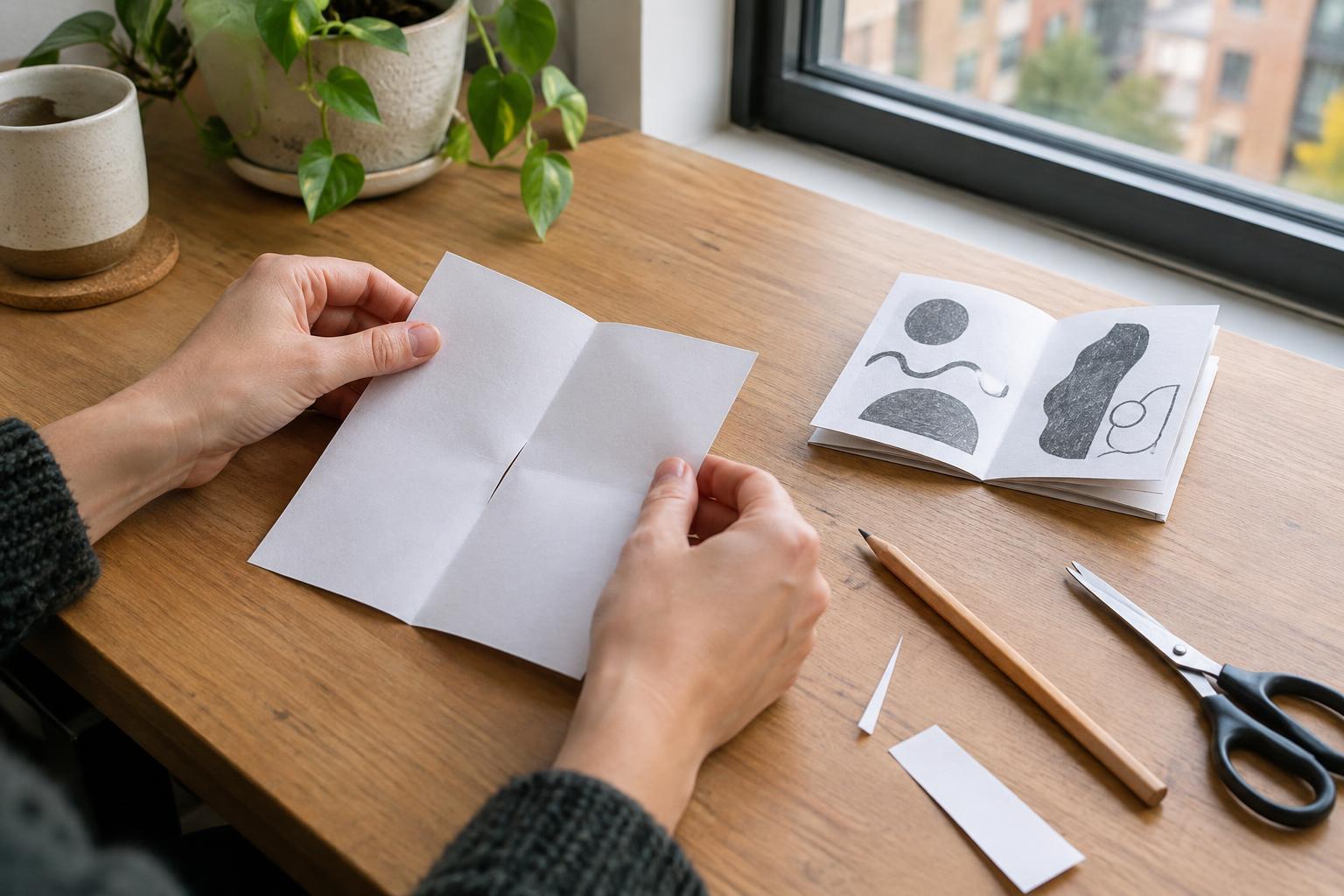
It also helps to notice how you respond to mistakes. If experiments sound fun, try a flexible activity where revisions are part of the process, such as creative writing or digital drawing. If unfinished work tends to bother you, start with projects that can be completed in one sitting. A five-minute poem, a simple paper fold, or one decorated postcard offers a clear stopping point without demanding that you master an entire craft.
Run a small trial before you commit
Pick one promising hobby and give it a few ordinary sessions rather than waiting for the perfect free day. Keep the first project deliberately modest. Instead of planning a series of paintings, draw one household object. Instead of designing a full scrapbook, arrange a single page. The aim is to learn how the activity feels in your real home and schedule, not to judge your talent.
Afterward, ask yourself three questions: Was it easy enough to start? Did I enjoy some part of doing it? Would I like to return to it, even if the result was imperfect? If the answer is no, you have learned something useful without wasting a large investment. If the answer is yes, make the next session easier by leaving your supplies organized and choosing a small next step. A hobby fits when it makes room for your life, not when your life has to be rearranged around it.