Start with what is still there
Returning to a skill can feel oddly different from learning it for the first time. You remember being able to do more, so a slow first attempt may seem like a setback. But a break rarely erases everything. Familiar movements, vocabulary, concepts or ways of noticing mistakes may come back unevenly. Treat your first few sessions as a chance to find out what remains, not as a test of whether you are still good.
Choose a simple task you once knew how to do: play an easy piece, hold a short conversation, follow a basic recipe or complete a familiar exercise. Notice which parts feel natural and where you hesitate. Write down two or three observations without grading the result. This gives you a starting point based on your present ability rather than a comparison with your best day years ago.
Make the first goal deliberately small
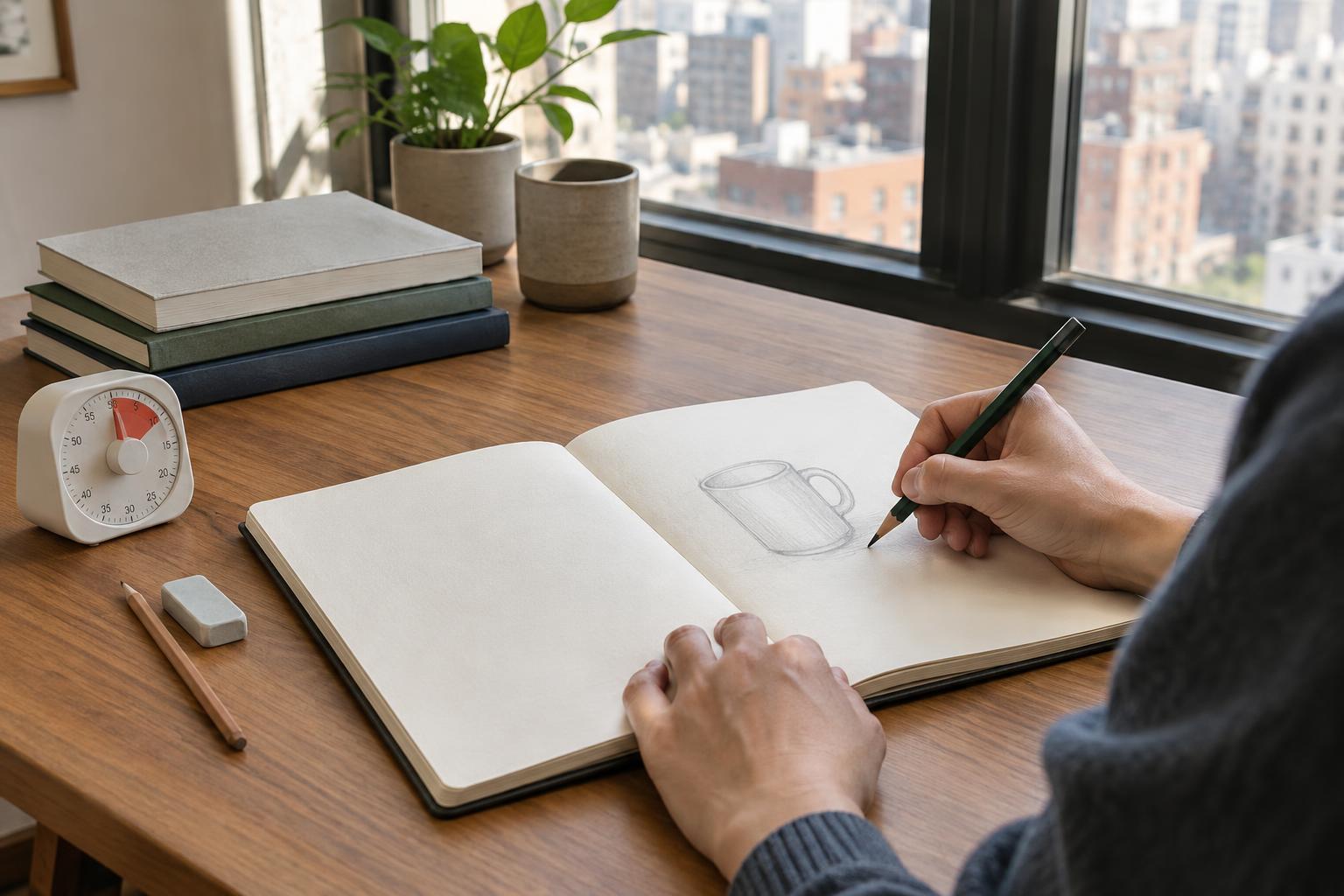
The urge to catch up can lead to an ambitious plan that is hard to repeat. Instead, pick a goal you could meet on a busy week. You might practice guitar for fifteen minutes twice a week, sketch one object on Sunday or review a few phrases during a commute. A modest goal leaves room to build momentum without making every session feel like a major undertaking.
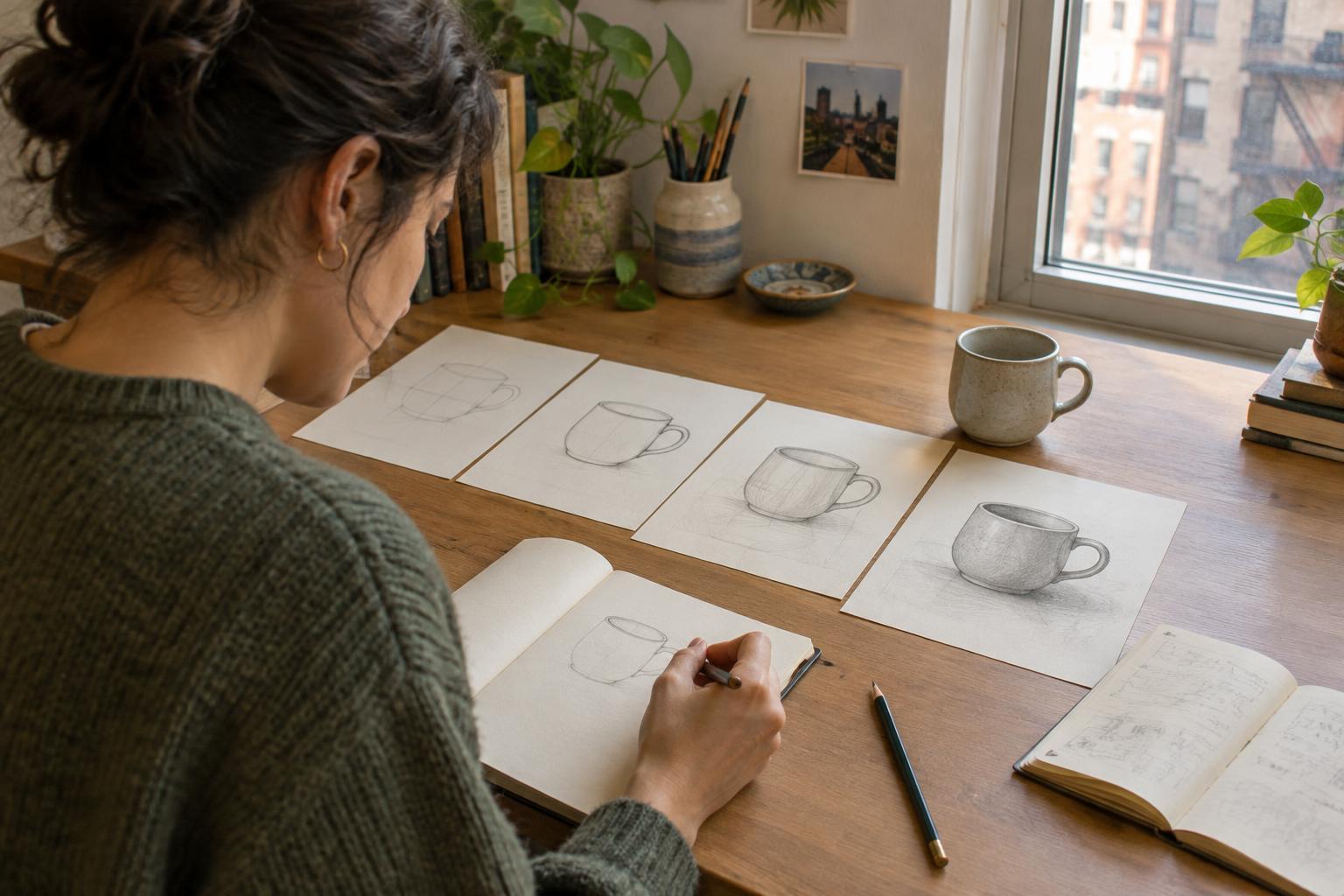
Give each session a clear purpose. Rather than deciding to “get better at drawing,” try sketching three cups from different angles. Instead of broadly “studying Spanish,” review a short set of useful phrases and use them in sentences. Specific tasks make it easier to begin and easier to see what to do next. Once the routine feels comfortable, you can extend a session or add another one.
Refresh the foundations without getting stuck in review
Some basics will need attention, especially if you have forgotten terminology or technique. A quick refresher can prevent avoidable frustration. Keep notes, instructions or a beginner resource close enough to consult when needed. You do not have to work through an entire introductory course before trying something enjoyable, though. Alternating a basic exercise with a small project can help you remember why you wanted to return.
For a hands-on skill, check that your tools still work and that your setup makes practice easy. Charge the camera, replace dried-out pens or clear a little space to move safely. For a knowledge-based skill, gather your old notes if they are useful, but do not spend weeks organizing materials instead of practicing. A workable setup beats a perfect one that never gets used.
Use feedback that helps you take the next step
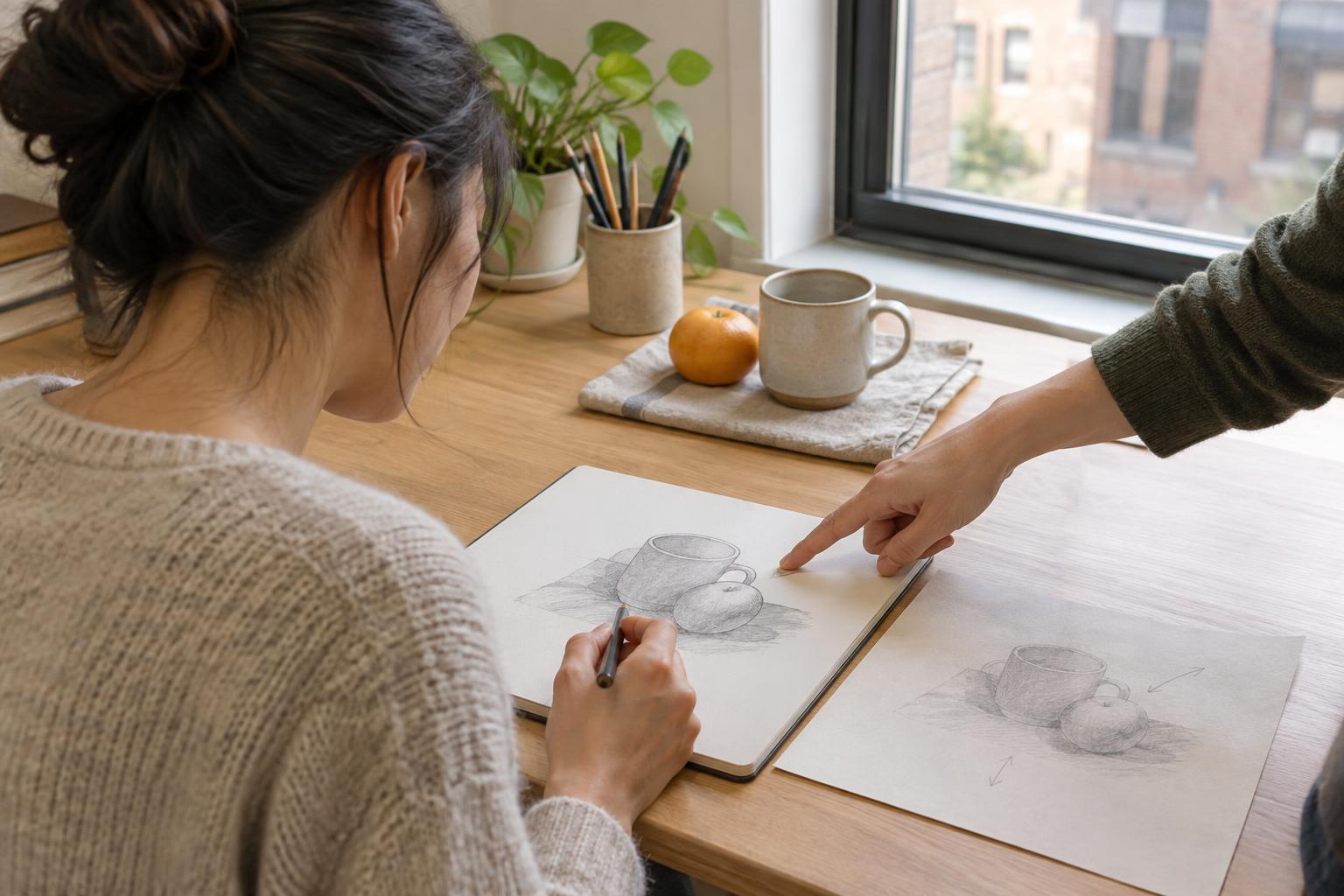
When you are rusty, mistakes can seem louder than progress. Look for feedback that points to one change you can try, rather than a vague verdict on your ability. Record a short practice attempt, compare two versions of a project or ask someone with relevant experience a narrow question. For example, “Is my timing steady in this passage?” is easier to act on than “Am I any good?”
Keep a small record of what you practiced and what you want to try next time. A sentence or two is enough. This saves you from having to decide where to begin at every session and makes gradual improvement easier to notice. If a technique remains frustrating, simplify the task or slow it down. Repetition is useful when it gives you a chance to adjust, not just to repeat the same struggle.
Build a routine you can return to again
Consistency does not require an unbroken streak. Work, travel and other interests will sometimes interrupt practice, especially when free time is limited. Plan for that by defining a low-effort way back: one song, one page, one short drill or ten minutes with your materials. After another gap, begin there rather than trying to compensate for every missed session.
It also helps to leave room for pleasure. Practice the useful basics, but make time to play with the skill: choose a project that interests you, revisit something you used to love or share a result with a friend if that feels encouraging. The aim is not to recreate your old routine exactly. It is to find a place for the skill in your life as it is now.