Pause long enough to understand the disruption
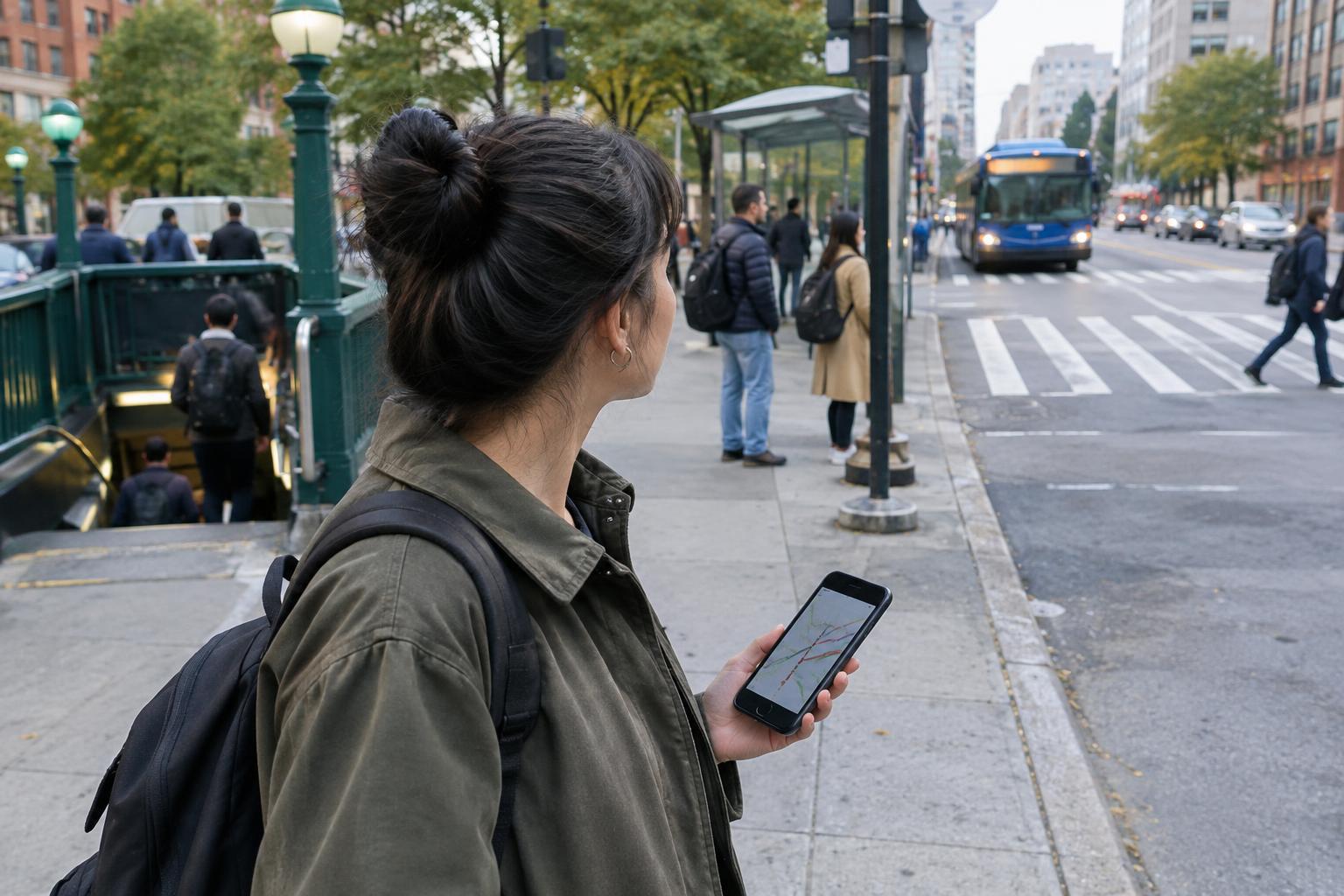
When service stops unexpectedly, the first instinct is often to follow the crowd. Take a moment before leaving the platform or stop. Check the transit agency’s alerts and any posted signs, then listen for announcements. Look for the affected line, direction and stations: a delay on one segment may not change the rest of your trip. If an update gives no clear reopening time, treat the delay as open-ended rather than building your plan around an optimistic estimate.
Use more than one clue when information is incomplete. A route-planning app may show alternatives, while a station employee may know where a replacement bus boards. If the two disagree, favor specific, recent instructions from the operator for boarding locations and service changes. Move out of the flow of passengers while you check; you will think more clearly, and others can get past.
Choose a route for the trip you actually need to make
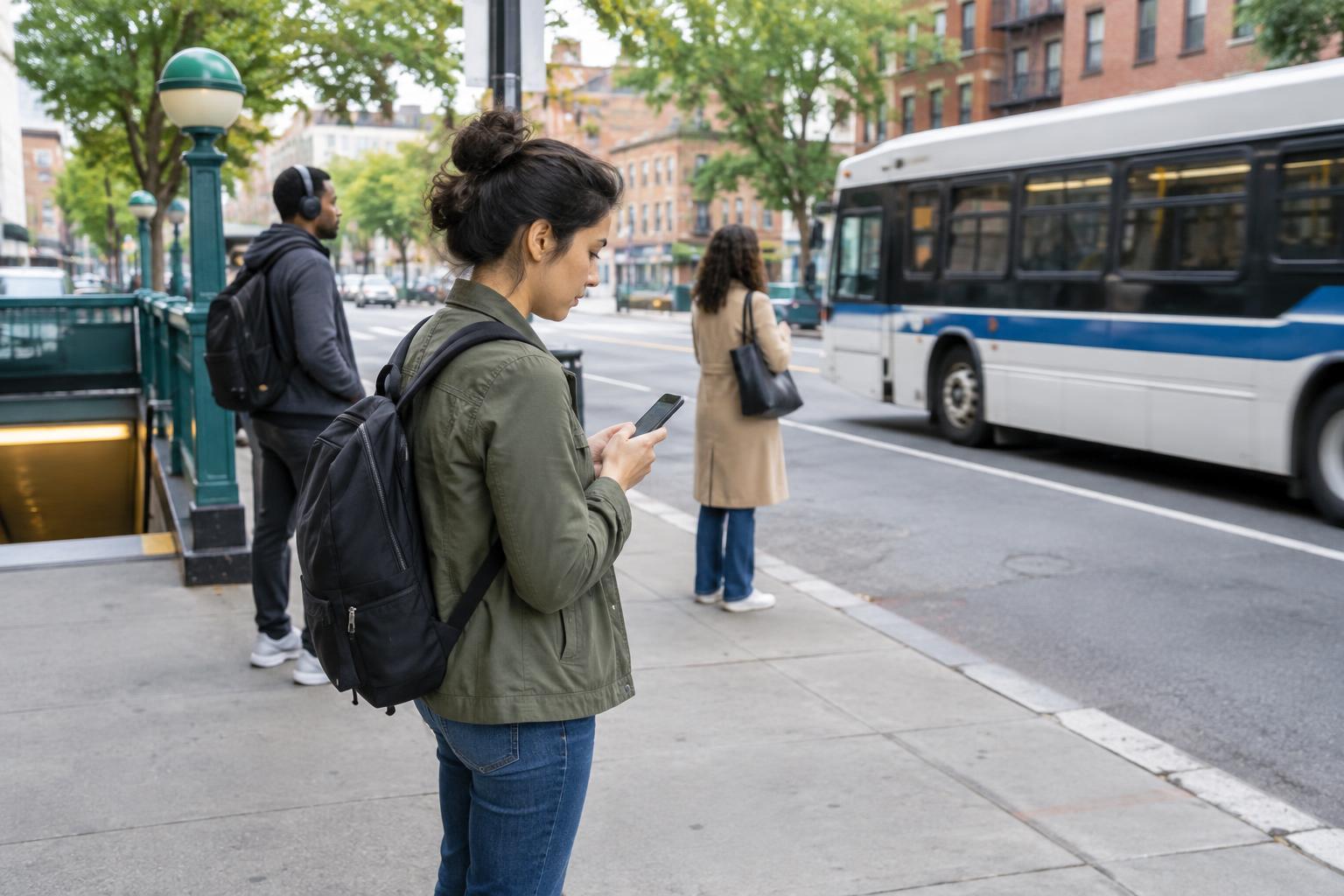
The fastest-looking detour is not always the best one. Compare options by total door-to-door time, number of transfers, walking distance, cost and how easy the route will be to follow. A bus that takes a little longer but goes near your destination may be preferable to a chain of uncertain connections. Check whether an alternative leaves from the opposite side of the street or a different station entrance before setting off.
If you can walk part of the way, choose a clear destination rather than wandering toward the disruption. You might walk to an unaffected line, a frequent bus corridor or a place where you can wait comfortably for an update. Check the route before moving, especially if it involves an unfamiliar crossing or a long gap between stops. For anyone who needs step-free access, a detour is useful only if its entrances, transfers and vehicles meet that need. Confirm those details where possible instead of assuming the suggested route is accessible.
Give yourself permission to change the goal. If you are heading to a flexible errand or an optional activity, postponing it may save more time than crossing the city twice. If you must arrive, pick one reasonable alternative and commit to it long enough to make progress; repeatedly switching routes can turn a short delay into a much longer one.
Send an update before the delay becomes a mystery
Once you have a plausible plan, tell anyone waiting for you what has changed. A useful message is brief: your service is disrupted, you are taking another route and you will share a new arrival estimate when you can. If you have a meeting or appointment, ask whether a later start, remote check-in or reschedule is possible. You do not need a precise arrival time while the route is still uncertain.
Build in a small margin when you do estimate. A replacement service may have a queue, and an unfamiliar transfer takes time. If your estimate changes, send one clear correction rather than a stream of speculative updates. This lets other people make their own plans and frees you to focus on the journey.
Keep the detour manageable
A disruption is more tiring when you are hungry, low on battery or carrying too much. If you have several options, consider whether one offers a safe, comfortable place to wait or a chance to refill water. Keep your phone available for directions and messages, but note the key transfer and stop names in case your battery runs low or reception drops. In a crowded area, put your device away before crossing streets or moving through a station.
Be cautious about expensive fixes made in a hurry. Before booking a ride, check the pickup point, likely travel time and fare shown to you; road traffic may be affected by the same disruption. If you share a ride or walk with someone, make the choice because it suits your route and comfort level, not simply because others are doing it.
Make the next disruption easier
You cannot prevent a stalled train, but you can reduce the number of decisions it forces on you. Save one backup route for trips you make often, including a bus or walking connection you would actually use. Know where to find your transit agency’s alerts, and keep a payment method that works on your likely alternatives. A small phone charger can also help if you rely on your device for tickets or directions.
Afterward, notice what proved useful. Perhaps a nearby bus was simpler than expected, or a suggested transfer had a difficult exit. Update your backup plan while the details are fresh. The aim is not to prepare for every possible failure; it is to have a calm first move when your usual route stops working.