Two ways to make the world quieter
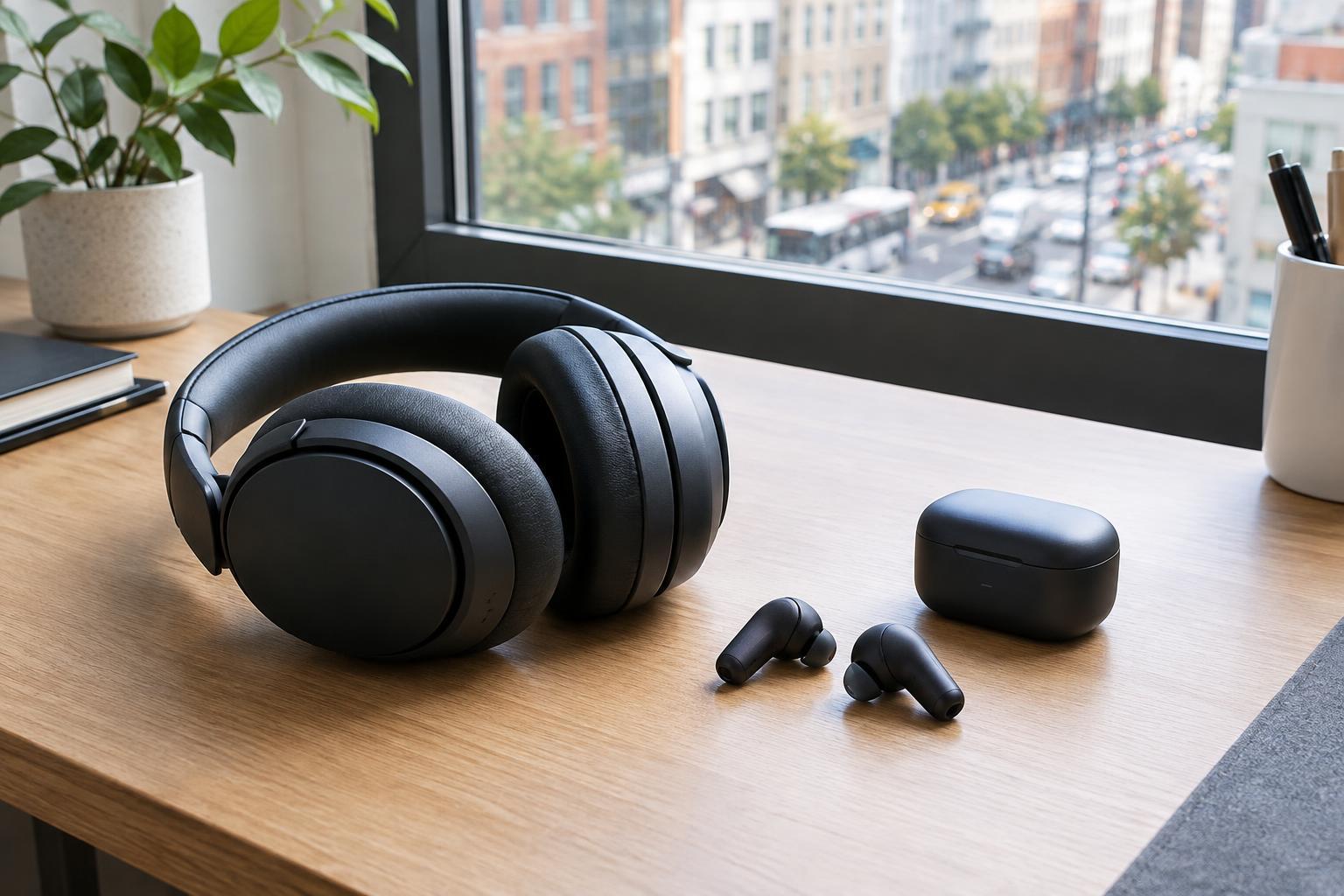
Noise-isolating headphones reduce sound by putting a physical barrier between your ears and the room. In-ear models use tips that seal the ear canal; over-ear models use padded cups that surround the ears. The quality of that seal matters. An earbud with a loose tip may let in far more noise than the same earbud with a well-fitting tip.
Noise-canceling headphones add electronics to that physical design. Built-in microphones detect surrounding sound, and the headphones produce a signal intended to reduce what you hear. This is commonly called active noise canceling, or ANC. Most ANC headphones also provide some passive isolation, so the choice is not strictly one technology or the other. The useful question is whether the electronic feature addresses the noise you regularly encounter.
Match the headphones to the sound
ANC tends to be most helpful with steady, low sounds: the rumble of a train, an air conditioner or a persistent ventilation fan. It may make these backgrounds less distracting without requiring you to turn up your music. Its effect can be less consistent with sudden noises or nearby speech. Don’t expect it to erase every conversation in a café.
A good physical seal can reduce a broader mix of sounds, particularly sharper, higher-pitched ones. It works without a battery or a processing mode. If chatter in a shared room is your main distraction, well-fitting isolating earbuds or closed-back over-ear headphones may be more useful than paying for ANC in a pair that fits poorly. Many people will get the best overall reduction from headphones that combine a comfortable seal with ANC.
Think about where and how you wear them
For a long commute, ANC can be worth considering if the route has a continuous engine or rail hum. In a compact home, passive isolation may be enough for a short reading session or an online class. If you switch between a desk, errands and transit, consider how quickly you can put the headphones away, whether they feel comfortable after an hour and whether they still work the way you want when the battery runs low.
Awareness matters, too. Reducing noise can make it harder to notice traffic, announcements or someone trying to get your attention. Use extra caution near roads and platforms, and pause or remove a headphone when you need to hear your surroundings. A transparency or ambient mode can be convenient, but try it yourself rather than assuming it will make every important sound clear.
If you take calls, check microphone performance separately from noise reduction. Headphones that sound quiet to you do not necessarily make your voice clear to someone else. Fit, controls and connection reliability may have more impact on your daily routine than an impressive-sounding feature list.
Try the fit before comparing features
Start with comfort and seal. In-ear tips should sit securely without feeling painful; over-ear cups should surround your ears without pressing awkwardly against them. Glasses, hair and ear shape can change how well a pair seals. If a shop allows a fitting, try more than one tip size or adjust the headband before judging the sound.
Compare headphones in conditions that resemble your routine, if possible. Listen at a moderate volume with ANC on and off, then try them with nothing playing. Notice which sounds remain, whether the fit shifts when you walk or speak, and whether any electronic hiss or pressure sensation bothers you. Check how easy the controls are to use without looking. A few minutes of deliberate testing can reveal more than a long list of specifications.
Choose for the problem you actually have
Choose noise isolation first if you want a simpler option, often listen without charging, or mainly need relief from intermittent household and workplace sounds. Look closely at fit: the best design on paper will disappoint if it does not seal comfortably.
Consider ANC if a steady background drone is a regular part of your day and you value the option to quiet it without raising the volume. You need not make every trip silent; sometimes hearing the city is part of moving through it safely. The best headphones are the ones you can wear comfortably, use appropriately and reach for when you genuinely need a little less noise.